International Congress 'Prospective Directions for the Development of the Russian Fuel and Energy Sector: Cooperation, Support and Implementation of New Technological Ideas as a Stimulus for the Development of Related Industries and Science'
On 4 June 2026, the International Congress 'Prospective Directions for the Development of the Russian Fuel and Energy Sector: Cooperation, Support and Implementation of New Technological Ideas as a Stimulus for the Development of Related Industries and Science' was held at the Chamber of Commerce and Industry of the Russian Federation (CCI of Russia).
The organisers of the international congress are: the Union of Oil and Gas Producers of Russia, the Committee for Energy Strategy and Development of the Fuel and Energy Sector of the CCI of Russia, the International and Russian Engineering Academies, and the Autonomous Non-Commercial Organisation 'International Centre for the Promotion of Development of Oil Sludge Processing Enterprises'.
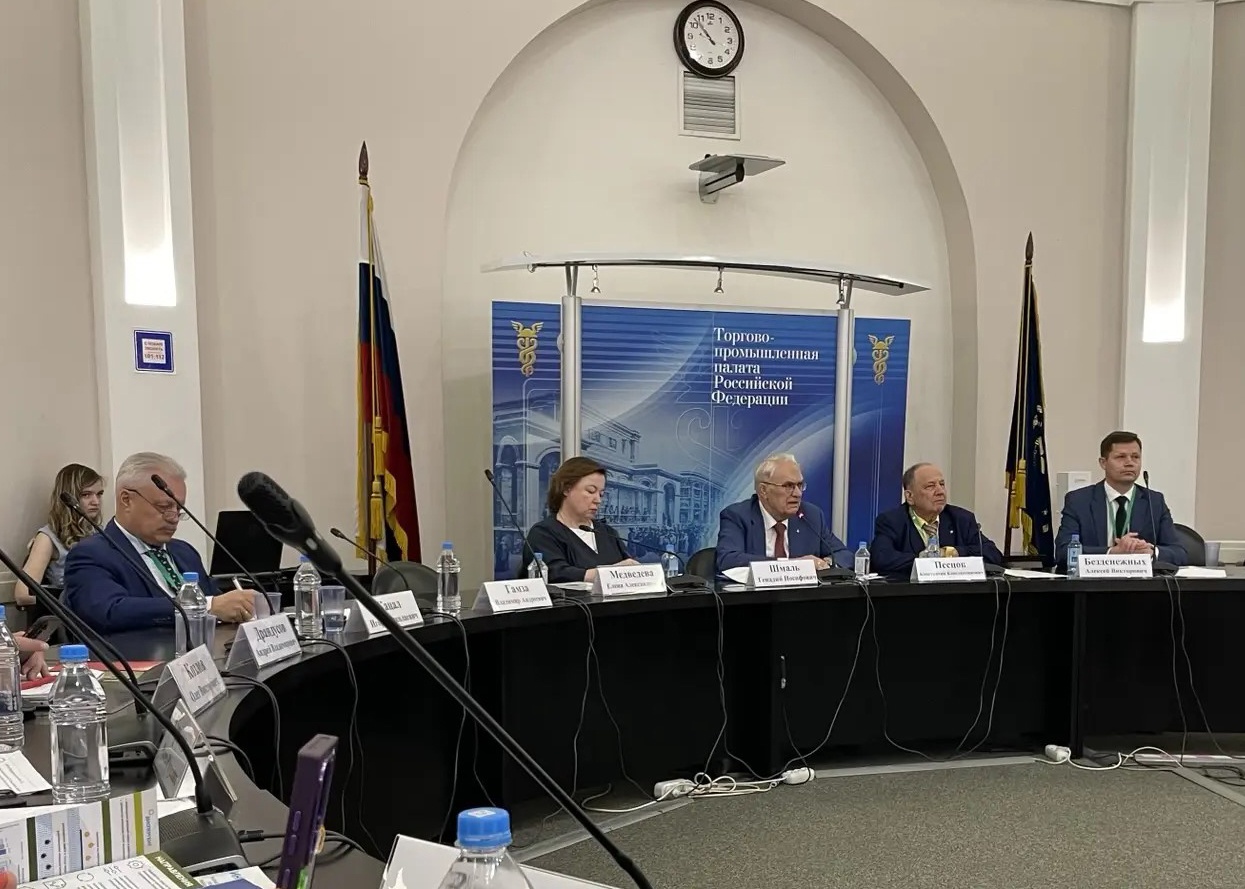
The plenary session 'Oil and Gas Production, Transportation, Treatment and Refining. Analysis of State Policy in the Russian Fuel and Energy Sector, Legislative Regulation, Investment in Projects and Social Responsibility' was moderated by Konstantin Pestsov, Chairman of the Subcommittee on Engineering and Technological Activities under the Committee for Energy Strategy and Development of the Fuel and Energy Sector of the CCI of Russia. Elena Medvedeva, Director of the Department of Project and Investment Activities of the CCI of Russia, delivered a welcoming address to the attendees.
Gennady Shmal, Deputy Chairman of the Committee for Energy Strategy and Development of the Fuel and Energy Sector of the CCI of Russia and President of the Union of Oil and Gas Producers of Russia, presented the report 'New Technologies as a Factor in Enhancing the Efficiency of Oil and Gas Subsoil Use', in which he summarised the oil and gas production results for 2025, highlighted current challenges and issues facing the Russian oil and gas complex. The primary focus was placed on strategic directions for the development of domestic technologies for enhanced oil and gas recovery and on creating conditions for systematic support of education and science.
The plenary session speakers discussed the pressing tasks of improving the efficiency of Russia's mineral resources sector, including issues of production digitalisation and the adoption of modern domestic measurement, monitoring and control instruments.
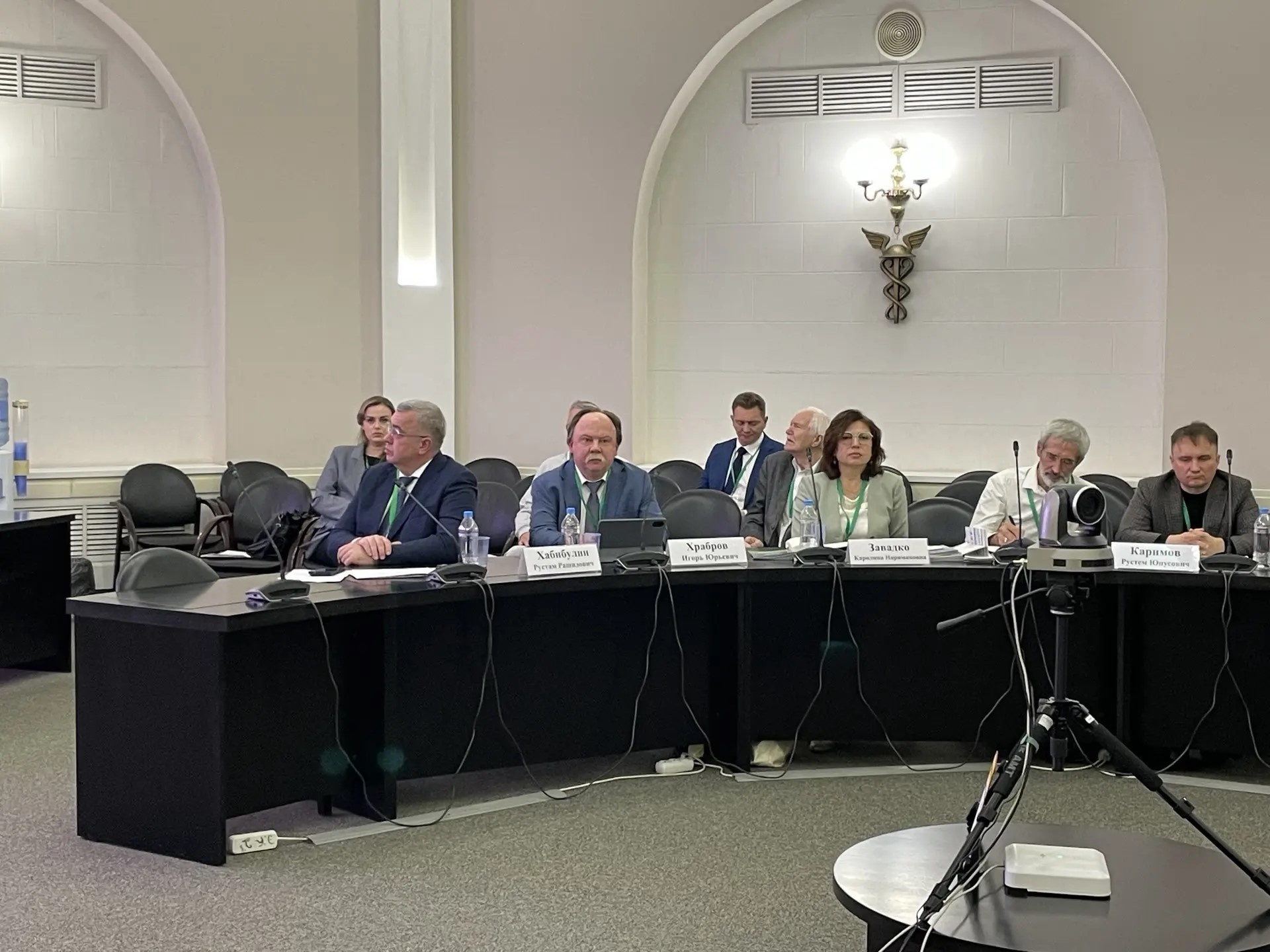
The topic of training qualified engineers for Russia's high-tech fuel and energy sector in the context of the advancement of information technologies and the widespread adoption of artificial intelligence was addressed in a report by Igor Khrabrov, Dean of the Faculty of Automation and Computer Engineering and Head of the Department of Information and Measurement Systems. The report highlighted both the positive and negative aspects of using artificial intelligence in the educational process, and raised issues of academic integrity and the development of AI literacy among students and faculty.
At the panel sessions 'Environmental Safety in the Fuel and Energy Sector. Modern Technical and Technological Capabilities for the Recycling of Rubber Goods and Plastic Wastes, Oil Refining and Mining Industry Wastes' and 'Automation, Control, Alarm and Interlock Systems in Oil and Gas Production, Transportation, Treatment and Refining', the discussion continued on the status and prospects for the development of environmental and resource-saving technologies, as well as modern methods for optimising technological processes in the oil and gas industry using artificial intelligence and predictive analytics.