Roundtable Discussion: "International Cooperation in the Sphere of Anti-Terrorist Protection of Fuel and Energy Complex Facilities. Basic Aspects of Personnel Training"
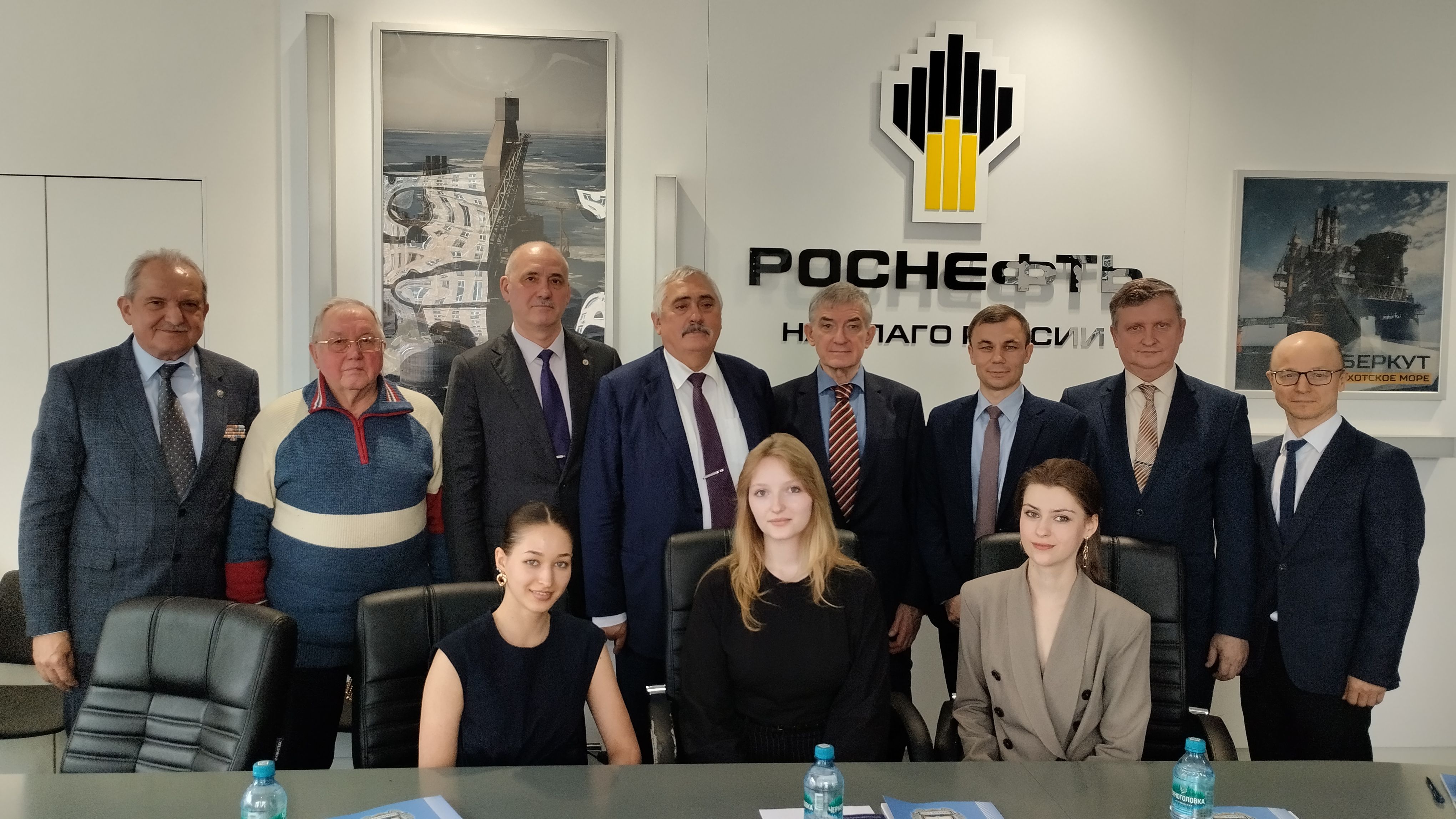
On April 8, 2026, a roundtable discussion entitled "International Cooperation in the Sphere of Anti-Terrorist Protection of Fuel and Energy Complex Facilities. Basic Aspects of Personnel Training" was held at Gubkin University. It was organized by the Russian Academy of Education (RAE), Gubkin University, and the Research Institute for Security Problems of the CIS (RISP CIS).
The primary goal of the roundtable discussion was to develop recommendations for improving the training of specialists in international scientific and technical cooperation in the field of anti-terrorist protection of fuel and energy complex facilities. However, as a result of the discussion, the range of topics covered was significantly expanded.
The experts participating in the event examined the need to train international affairs specialists with a focus on international security cooperation in the current international political environment. They discussed the specifics of educational support, the specifics of research and educational trajectories for students majoring in international scientific and technical cooperation, and the training of industry specialists in the field of anti-terrorism protection of fuel and energy facilities. Attention was also paid to the participation of the scientific and educational community in international projects related to industrial security.
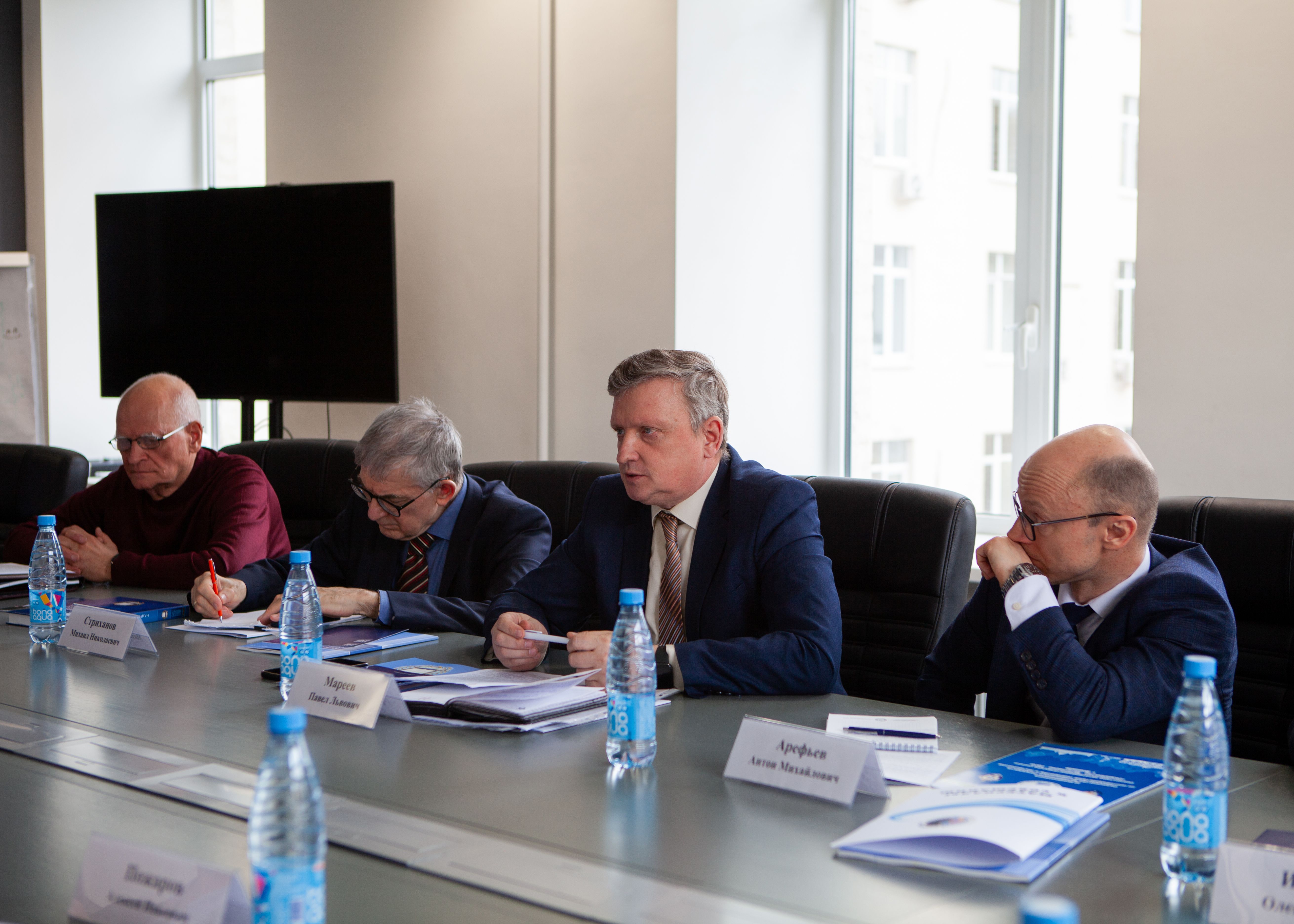
The roundtable was opened by Professor Igor Surikov, Vice President of the Russian Academy of Education, Scientific Director of the National Research Nuclear University MEPhI, Academician of the Russian Academy of Education, Doctor of Physical and Mathematical Sciences. Mikhail Strikhanov noted that the risks associated with the security of fuel and energy facilities—one of the key system-forming elements ensuring the stable functioning of the Russian economy and its export potential—are of great importance in the face of the complex impact of external and internal threats caused by geopolitical instability, the rapid development of new forms of terrorist activity, and the growing role of information technology in this process. However, he emphasized that effective anti-terrorism defense depends primarily on the quality of specialist training and human capital, which can provide a solid foundation for security.
Pavel Kalashnikov, Vice Rector for Research at Gubkin University, Associate Professor, Associate Professor at the Russian Academy of Education, and PhD in Engineering, described the main risks associated with the security of fuel and energy facilities and provided practical examples.
Nikolai Podufalov, Academic Director of the Laboratory for the Development of Higher Professional Education at the Center for the Development of Higher and Secondary Vocational Education at the Russian Academy of Education, Academician of the Russian Academy of Education, Professor, and Doctor of Physical and Mathematical Sciences, drew attention to the combination of topics in the roundtable program papers related to international relations and international law, scientific and technical cooperation, national security cooperation, and terrorist and hybrid threats. This approach requires the development of a broad range of competencies in various fields of knowledge and professional activity—both in the humanities and in technology—while also taking into account the fundamental deformation of certain fields, such as international law, and the resulting need for in-depth interdisciplinary research.
Dmitry Bulgaru, Second Secretary of the Permanent Mission of the Russian Federation to the UN in New York, welcomed the roundtable participants and praised the international scientific and practical work of Gubkin University, particularly its Department of International Cooperation in Security (Basic).
Nikolai Stupakov, Director of the CIS Research Institute of Industrial Safety, Member of the Scientific Expert Council of the Security Council of the Russian Federation, Associate Professor, and Candidate of Law, noted the importance of integrating the results of current scientific research and the institute's expert analysis into the educational process. With the support of the CIS Research Institute of Industrial Safety, international relations students at Gubkin University are involved in projects related to work in the United Nations Global Expert Networks and through the Collective Security Treaty Organization and the CIS.
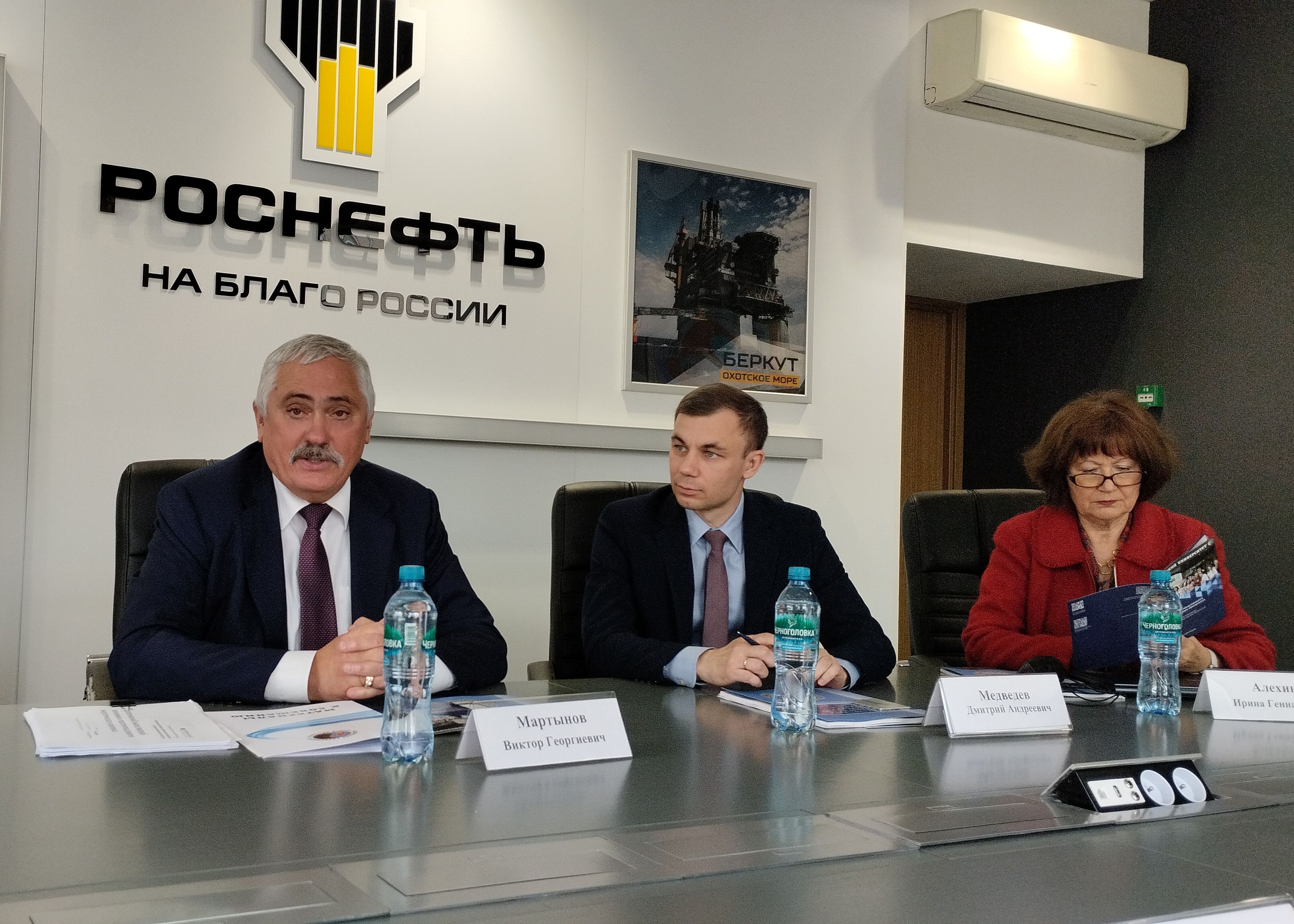
The roundtable moderator, Dmitry Medvedev, Head of the Department (Basic) of International Cooperation in Security at the Gubkin Russian State University of Oil and Gas (National Research University), Associate Professor of the Russian Academy of Education, and Candidate of Political Sciences, described in his report the key factors that served as the basis for transforming the approach to training specialists supporting international scientific and technical cooperation in the oil and gas sector. The results of international projects implemented by department staff in Kuwait and Ethiopia were also presented.
Remarks by the Deputy Head of the Anti-Terrorism Department Anton Arefyev, PhD, Head of the CIS Anti-Terrorism Center for the Protection of Critical Energy Infrastructure from Terrorist Attacks, presented a report by Anton Arefyev, PhD, of the CIS Anti-Terrorism Center for the Protection of Critical Energy Infrastructure from Terrorist Attacks, focusing on cooperation in the field of anti-terrorism protection of fuel and energy complex facilities and the training of international specialists. A representative of the CIS Anti-Terrorism Center presented statistics on terrorist attacks, emerging risks, including reputational ones, for energy supplier countries, and interactions with the UN Office of Counter-Terrorism (UNOCT), including the 2024 publication of the "Guidelines for Protecting Critical Energy Infrastructure from Terrorist Attacks." He also presented other examples of the CIS Anti-Terrorism Center's international activities in this area. Of particular interest were the integration of accumulated international experience into the educational process. The speaker identified ensuring uninterrupted operations in the event of critical cross-border situations as the main objective of training specialists in international cooperation to protect fuel and energy complex facilities.
Methodological approaches to developing a system for training personnel in the field of international counterterrorism cooperation were analyzed by Alexey Pozharov, Professor, Doctor of History, Candidate of Law, Chairman of the Expert Council of the CIS Research Institute of Anti-Terrorism, Professor of the Department of Foreign Regional Studies at the Institute of International Relations and Socio-Political Sciences at Moscow State Linguistic University, and member of the editorial board of the CIS Research Institute's journal "International Cooperation of Eurasian States: Politics, Economics, Law."
Pavel Mareev, Head of the Center for International and Regional Projects at the CIS Research Institute of Anti-Terrorism, Associate Professor, Candidate of History, Candidate of Law, presented on the current state and prospects of scientific and methodological support for the educational process for training international specialists in the field of security at a specialized university.
A report by Associate Professor of the Military Educational and Scientific Center of the Ground Forces of the Combined Arms Academy of the Armed Forces of the Russian Federation, member of the Expert Council of the CIS Research Institute of Anti-Terrorism, Professor, Doctor of Military Sciences, and Doctor of Military Sciences. Igor Kardash's presentation focused on developing the necessary competencies for specialists in the field of international counterterrorism cooperation, as well as the practical aspects of personnel training.
The presentation by Nikolai Tsybikov, a leading researcher at the All-Russian Research Institute for Civil Defense and Emergencies of the Ministry of Emergency Situations of Russia (Federal Center for Science and High Technologies), generated considerable interest.
Summarizing the work of leading experts in international security cooperation, Viktor Martynov, Rector of the Gubkin Russian State University of Oil and Gas (National Research University), Academician of the Russian Academy of Education, Co-Chair of the Scientific Council of the Professional Education Department of the Russian Academy of Education "Engineering Education and Professional Self-Determination," Doctor of Economics, and Candidate of Geological and Mineral Sciences, emphasized that consolidating efforts in any activity is essential for achieving the stated goal. In the current international situation, ensuring the uninterrupted operation of not only the global energy infrastructure but also industrial facilities in general transcends industry boundaries, acquiring national and global significance. Cooperation in this area with friendly states that understand the danger and strategic implications of any terrorist or other destructive threats is becoming vital. The participation of academic scientists, representatives of leading international organizations, staff from research institutes, leading university educators, and government officials in the discussion underscores the importance of the issues analyzed and, according to the Rector of Gubkin University, will contribute to the development of solutions, one of which is the training of specialists in international scientific and technical cooperation.
The constructive exchange of opinions formed the basis for draft recommendations and a plan for further work, including a proposal to consider this issue within the framework of the Department of Professional Education of the Russian Academy of Education.
The event was held with the participation of the Gubkin University Student Scientific Society.