Preclinical trials of the first domestic bone cement have begun in Russia
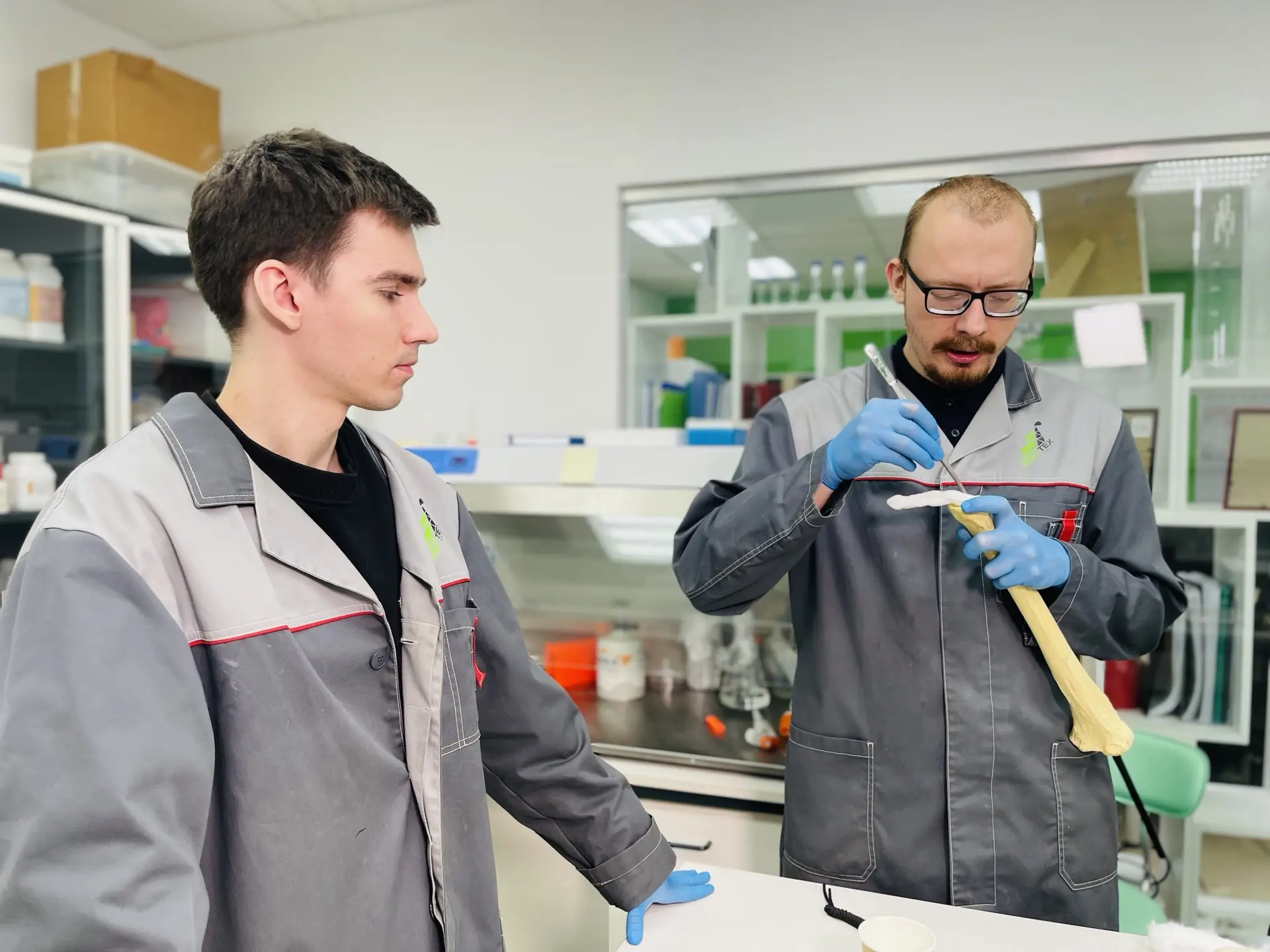
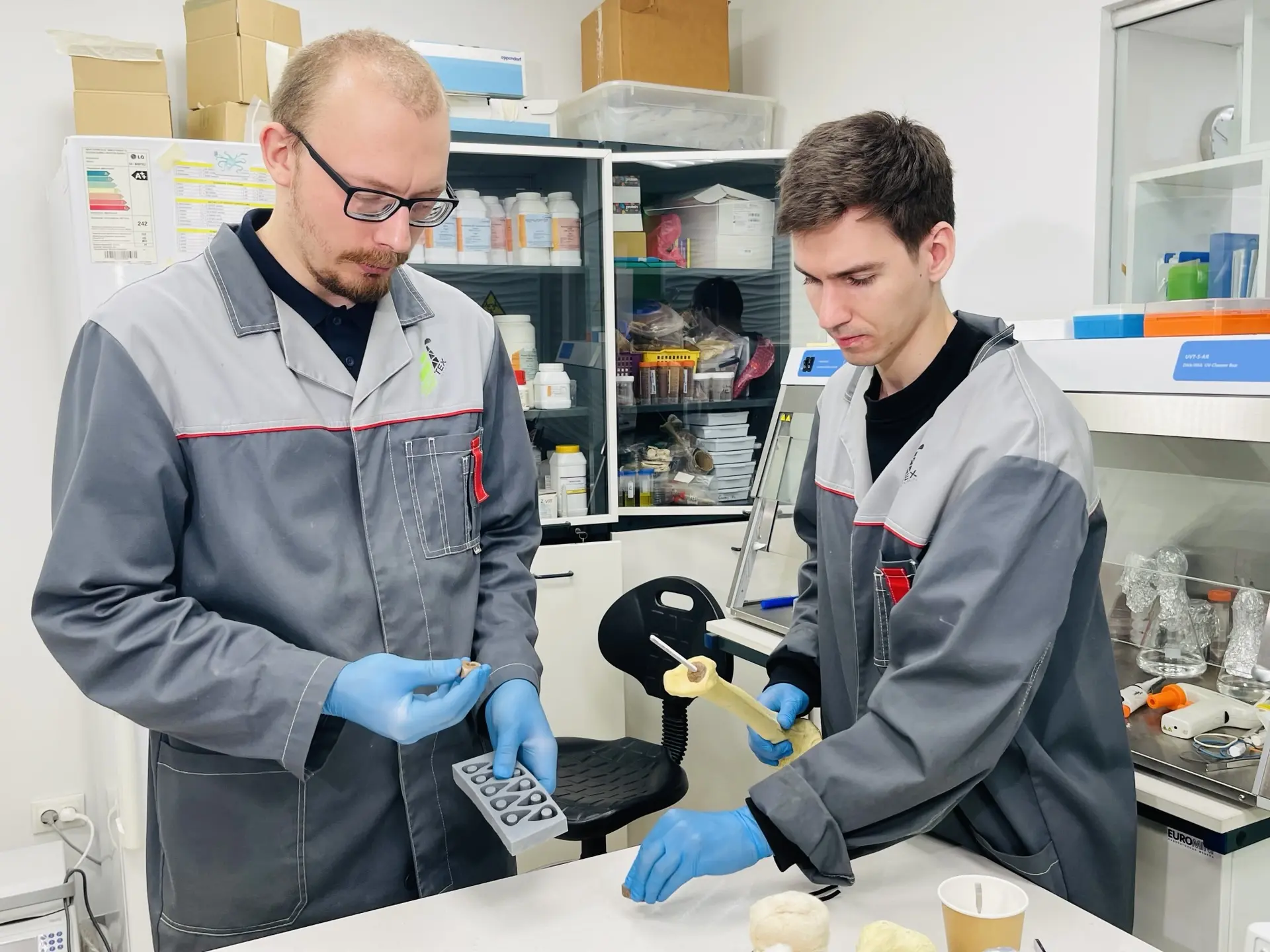
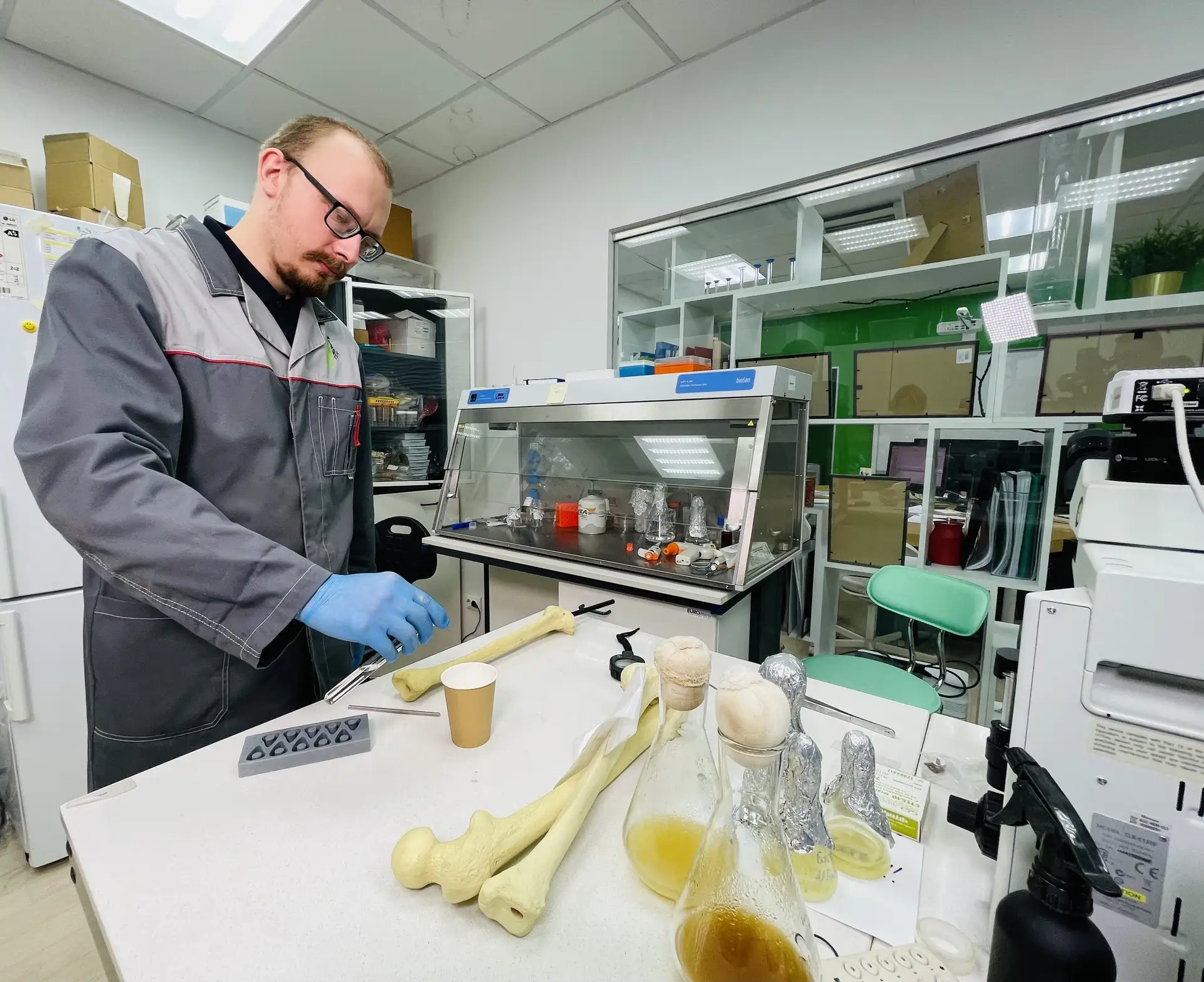
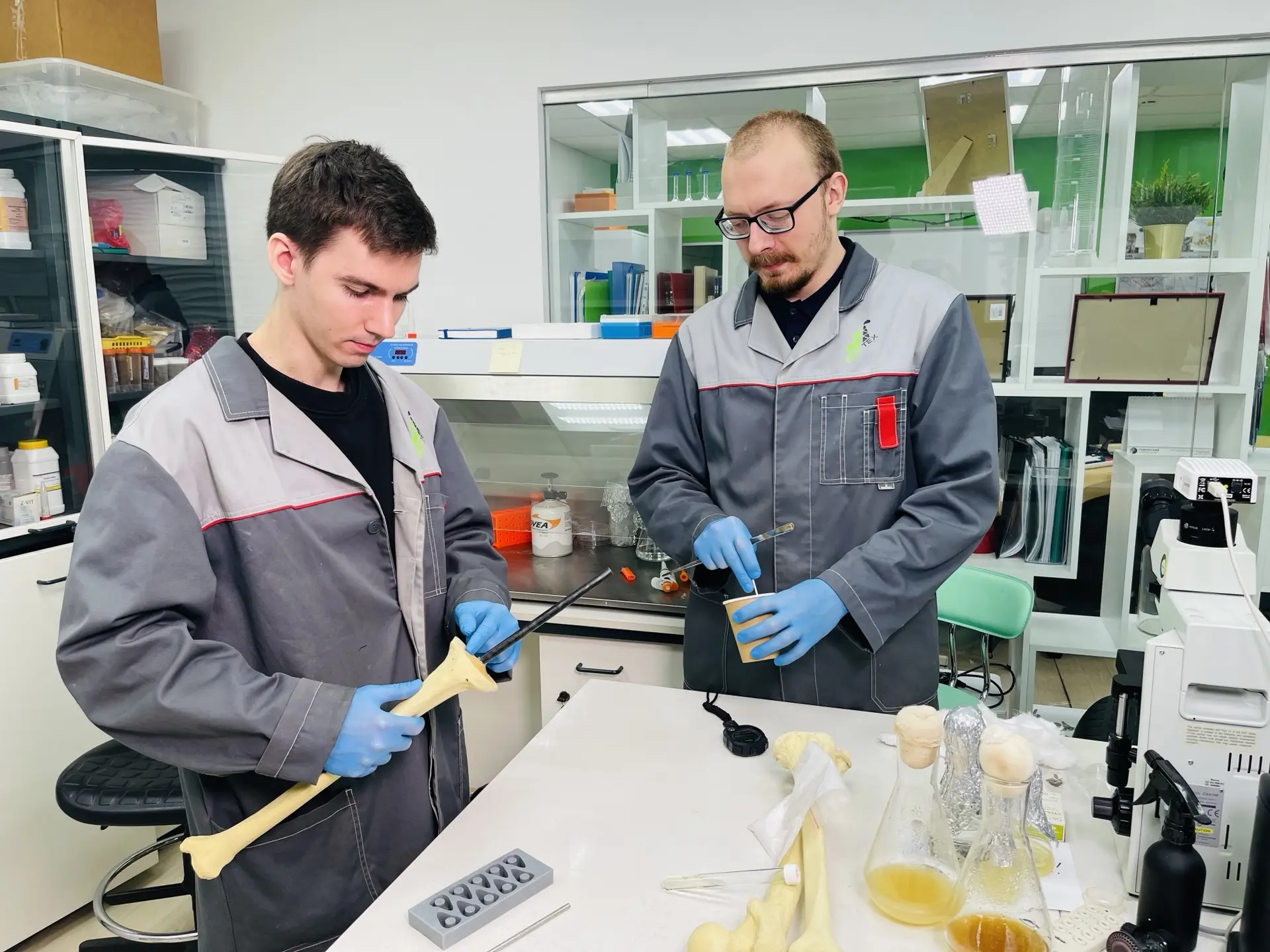
At the Russian National Research Medical University named after N.I. Pirogov began preclinical testing of the product developed by scientists from the Russian State University of Oil and Gas (NRU) named after I.M. Gubkin of domestic bone cement, which tenfold increases the release time of antibiotics compared to imported analogues.
Microbiological studies have already been carried out in the bacteriological laboratory of the State Clinical Hospital named after V.P. Demikhov, studying the properties of cement on cell cultures and experiments on animals - on the basis of the engineering center of the Russian National Research Medical University named after N.I. Pirogov.
The project is being implemented under a grant from the Russian Ministry of Health “Development of bone and antibacterial cement based on nanocellulose” as part of the national project “New technologies for preserving health”, implemented until 2030. It is expected that after completion of all tests, domestic bone cement will enter Russian clinics, reducing dependence on imported supplies and increasing the effectiveness of treating severe infections after wounds, trauma and surgery.
The domestic development combines two components: an antibiotic and an antiseptic, attached to cellulose nanofibers. The antiseptic disrupts the work of bacterial enzymes, causing their death, and cellulose fibers create a network of microscopic channels in the cement. Through them, water penetrates into the material, washing away the antibiotic that previously remained blocked.
“We managed to place the drugs on a special carrier – cellulose nanofibers – so that the medicine works precisely and in safe doses. Thanks to cellulose, we have achieved the effect of a “plumbing” inside the cement - the antibiotic no longer sits as a dead weight, but goes directly into the wound. For comparison, the problem with most imported bone cements is that practically no antibiotic comes out of them - up to 90% of the medicine remains “locked” inside,” noted Vladimir Vinokurov, head of the department of physical and colloid chemistry at Gubkin University.
The effectiveness of the composition developed by scientists against bacteria will minimize the risk of postoperative complications - one of the main causes of limb amputations.
“Every year in Russia, tens of thousands of patients with purulent complications of osteosynthesis of fractures and after endoprosthetics of large joints, as well as with diabetic foot syndrome, require operations using bone cement. Imported analogues are expensive and not available everywhere, but our cement will make this therapy routine and save thousands of people from disability,” commented the head of the Center for Purulent Surgery of the V.P. City Clinical Hospital. Demikhova, Associate Professor of the Department of General Surgery, Faculty of Medicine, Russian National Research Medical University named after N.I. Pirogova Vladimir Obolensky.
Researchers plan to test the material this year in accordance with national standards. This means that if compliance is successfully demonstrated, clinical trials on volunteers may not be required: the drug will be approved for use immediately after laboratory testing is completed.
This approach allows us to significantly reduce the time it takes for a development to be released to hospitals, without waiting for multi-stage studies that usually last years, noted Denis Rimashevsky, associate professor of the Department of Traumatology and Orthopedics at RUDN University.
Research in the field of hybrid composite materials has been conducted at Gubkin University for ten years. Initially, the work was focused on creating polymer systems for the oil and gas industry. In 2020, the materials science laboratory repurposed some of its research for medical use. The choice of direction (antibacterial bone cements) is determined by macroeconomic trends: the Russian market of traumatology and orthopedics has traditionally been dominated by imported products, and the departure of Western suppliers has created a critical dependence. According to the university itself, the development of composite materials with specified drug release kinetics is a response to the state request to reduce disability and mortality due to periprosthetic infection.