II International Summer School “Gubkin Globe”
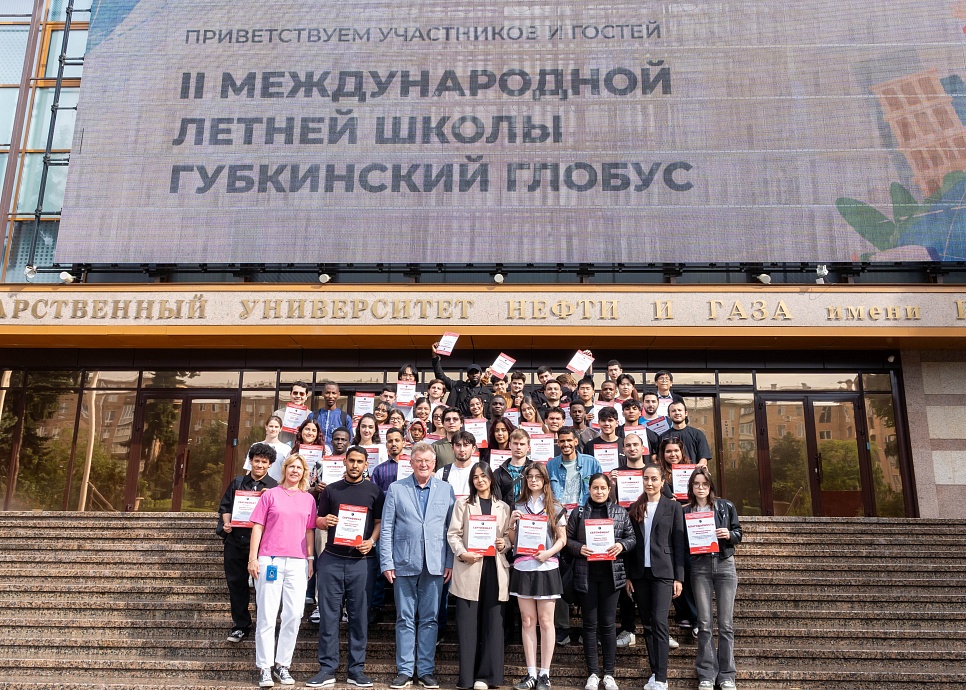
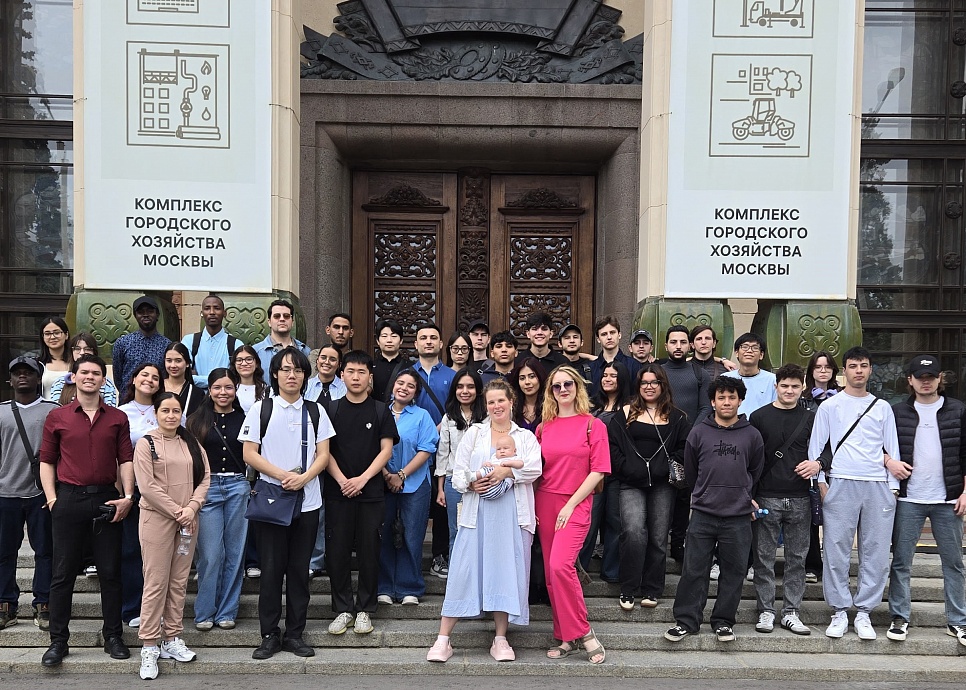
From June 29 to July 8, 2026, Gubkin University held its II International Summer School “Gubkin Globe” for international students. The educational event brought together 66 students from countries across Asia, Africa, and Latin America. The programme helped expand intercultural dialogue and strengthen ties among students from the Republic of Belarus, Kazakhstan, Uzbekistan, Tajikistan, Vietnam, Turkmenistan, Indonesia, Armenia, Venezuela, China, Syria, Iran, Cuba, Niger, and Mauritania.
The II International Summer School “Gubkin Globe” offered participants a rich programme that included both field trips and on-campus activities. This design made it possible to achieve the project’s key goals: not only broaden the students’ academic horizons, but also ensure deep immersion in the learning process, develop teamwork skills, and actively use conversational Russian in live communication.
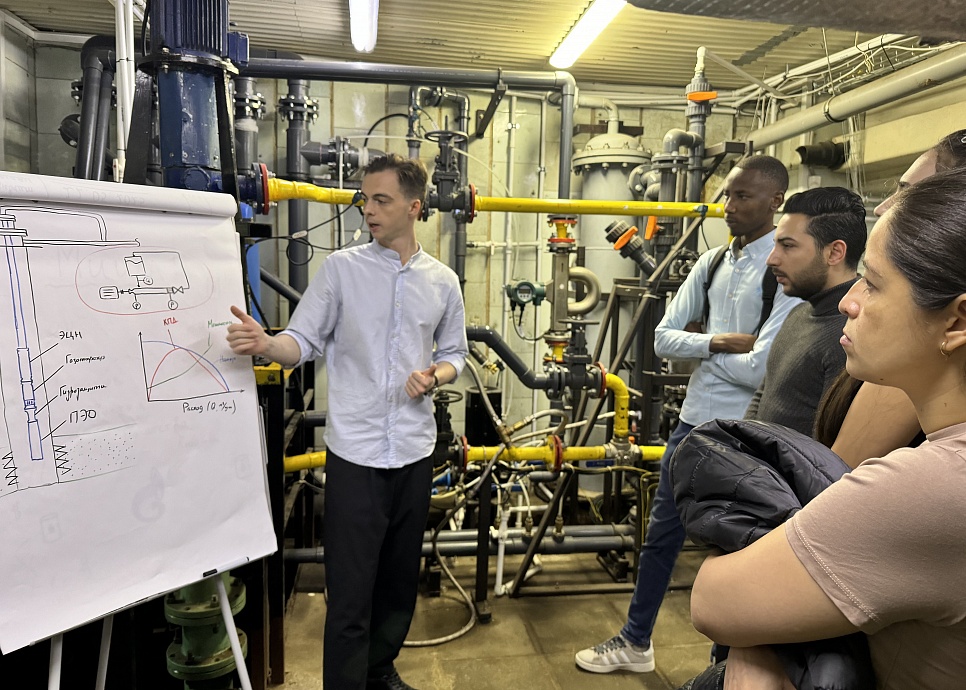
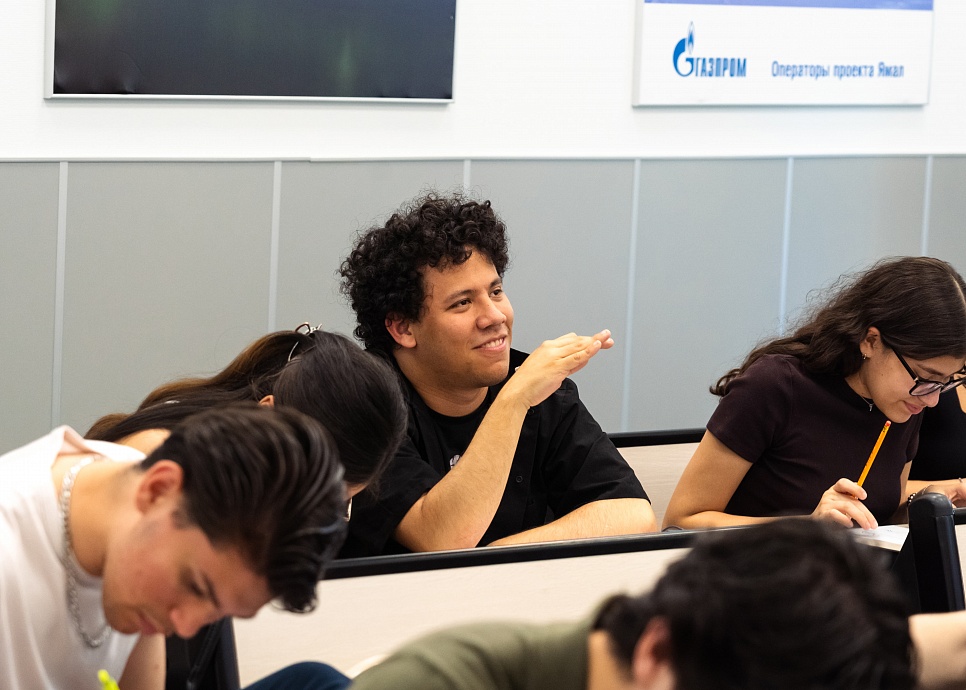
Lectures delivered by Gubkin University faculty formed an important part of the programme. The topics were carefully selected: students both deepened their knowledge within their major disciplines and gained insight into related areas of the oil and gas industry. In their lectures, experts covered current aspects of the industry – from the economics of the oil and gas sector and hydrocarbon production technologies to the automation of production processes and modern methods of instrumental analysis of petroleum products. On excursion days, students got acquainted with the technical equipment of many departments and training grounds.
The organizers paid special attention to the participants’ social and psychological support. The programme included a dedicated meeting with a representative of the university’s psychological service, during which students, together with the specialist, explored effective stress management strategies. This block proved to be especially sought-after among international students, since adapting to a new educational and cultural environment often involves additional emotional strain.
An important component of the summer school was introducing participants to Russia’s spiritual and cultural heritage: the organizers placed a special emphasis on the continuity of generations and the preservation of national values and traditions. The cultural block of the programme was significantly expanded compared to last year, and its central event was a thematic workshop that revealed the richness of Russian crafts.
The session was structured as a dialogue of eras and cultures. The first part was devoted to a historical overview of traditional crafts of Rus’, where students got acquainted with the roots of folk artistic techniques, learned about the symbolism of ornaments, and the significance of artisanal work in the daily life and worldview of our ancestors. In the second part, the participants were able to put the acquired knowledge into practice – they were invited to paint a kerosene lamp in one of the classic techniques: Gzhel or Khokhloma. The choice of this particular item was not accidental, as the lamp became a kind of symbol of enlightenment and the warmth of home, and its decoration made it possible to organically combine respect for folk traditions with the symbolism of Gubkin University. The creative task revealed not only the students’ artistic abilities, but also their readiness for intercultural exchange. Many participants shared similar traditions from their own countries – talking about local techniques for decorating household items and ways of adorning their homes.
Another bright element of the programme was a game organized by the Competence Center. In the course of the game, teams solved non-standard engineering tasks and built models of drilling rigs with their own hands. This activity became not only a test of applied skills, but also a platform for strengthening team spirit and fostering a culture of joint problem-solving – the very traditions of cooperation and mutual assistance that lie at the heart of both the university community and the professional environment of the oil and gas industry.
The field trips became a window into Russia’s history and modernity for the participants: the students visited VDNH Park and the Museum of PJSC LUKOIL. The walk around VDNH allowed the students to take a fresh look at Moscow’s architectural image, feel its scale, and learn how the city has developed from Soviet times to the present day. The “Model of Moscow” pavilion aroused particular delight. The students were impressed by the detail, dynamics, and precision of the city layout reproduction. The opportunity to literally “see the city from a bird’s eye view” helped them better grasp the structure of the metropolis and appreciate its layout in a new way.
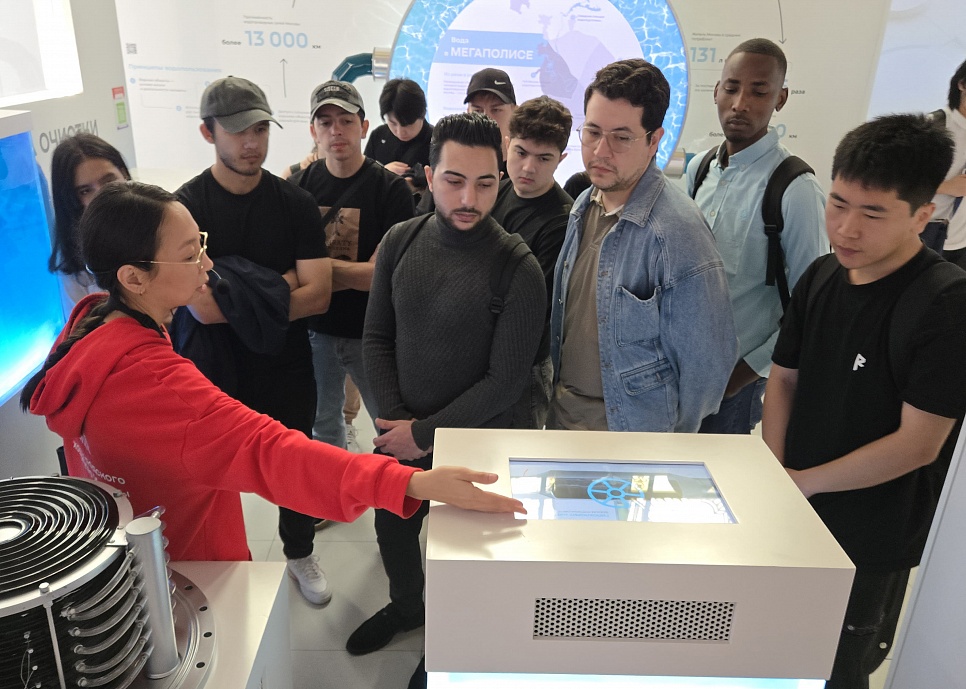
The visit to the Museum of PJSC LUKOIL became one of the most memorable events of the summer school, as was repeatedly noted by its participants. The exhibition made a strong impression on the students, with particular interest sparked by the interactive exhibits, which allowed them to literally “touch” the history of the industry, and the original photo zones, where the students happily captured the bright moments of the day.
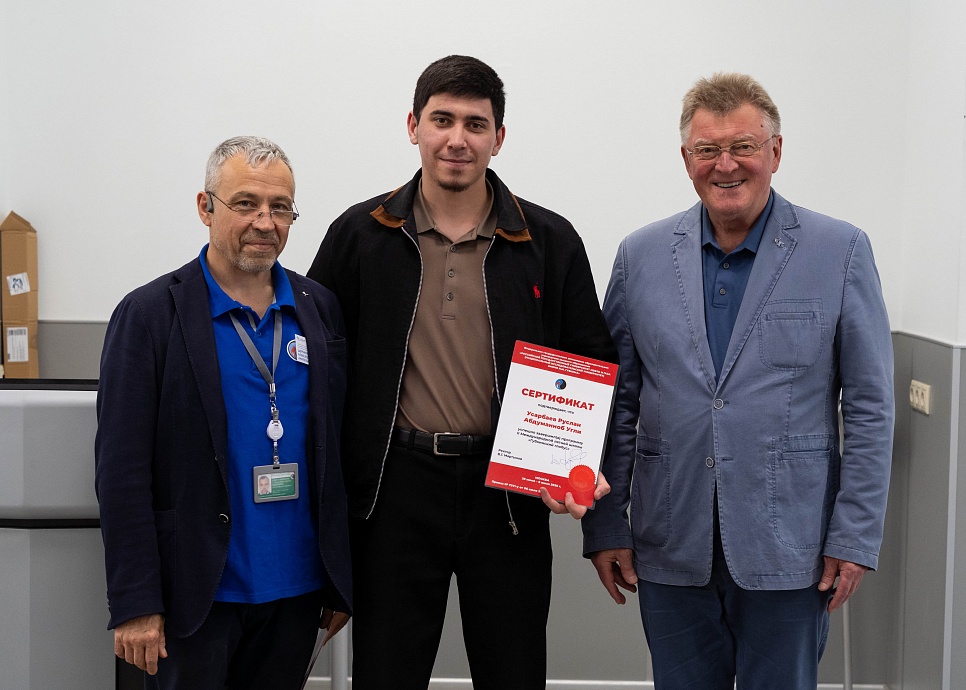
The culmination of the intensive programme of the II International Summer School “Gubkin Globe” was the formal certificate award ceremony. The certificates were presented to the participants by Vice-Rector for Academic Affairs Vladimir Koshelev. After the award ceremony, the participants enjoyed a friendly tea party, where in an informal atmosphere they could once again discuss the school’s highlights, share their emotions, and outline plans for the future.
The II International Summer School “Gubkin Globe” became a space for true unity among students, as it brought together different cultures, academic interests, and personal aspirations of its participants. The “no ties” format allowed the students to freely communicate with faculty, ask any questions, and receive detailed answers – it was precisely these lively dialogues that proved especially valuable. Thanks to the combination of educational, cultural, and team-building activities, the students formed a holistic and positive impression of Russia’s scientific school, its traditions, and professional practices. And most importantly, ties between participants from different countries were strengthened – ties that will undoubtedly become the foundation for future international cooperation.