Experts call for multi-layered protection of oil and gas infrastructure
Gubkin University presented an expert report to the UN on international practices for protecting the fuel and energy sector from terrorist attacks.
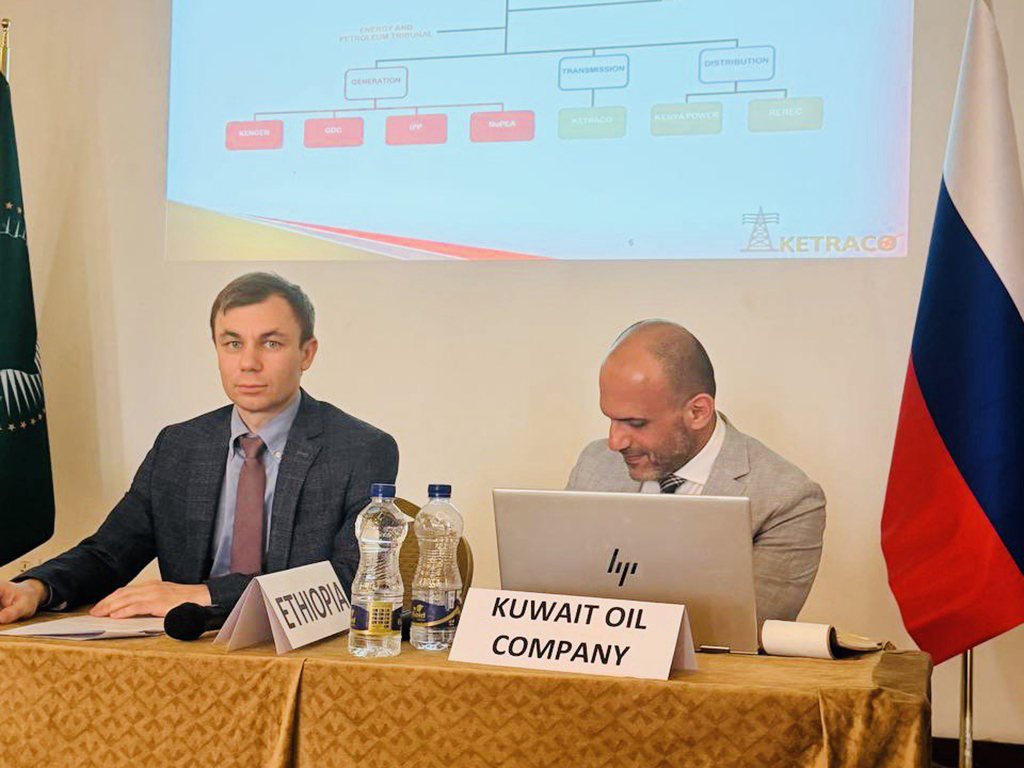
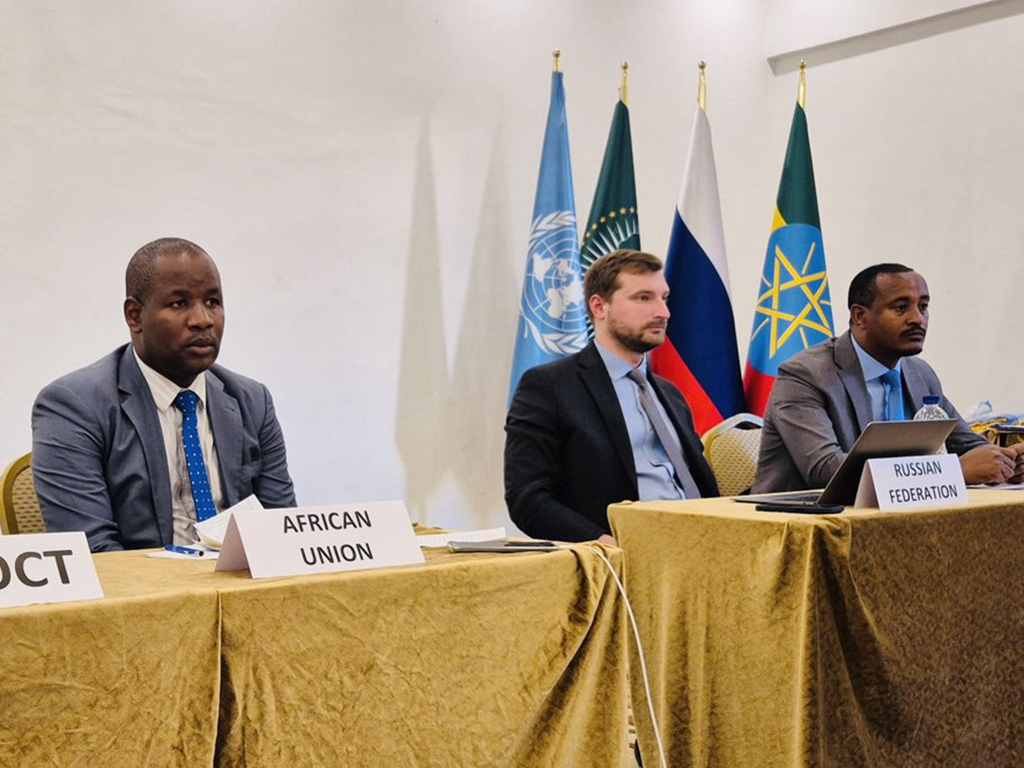
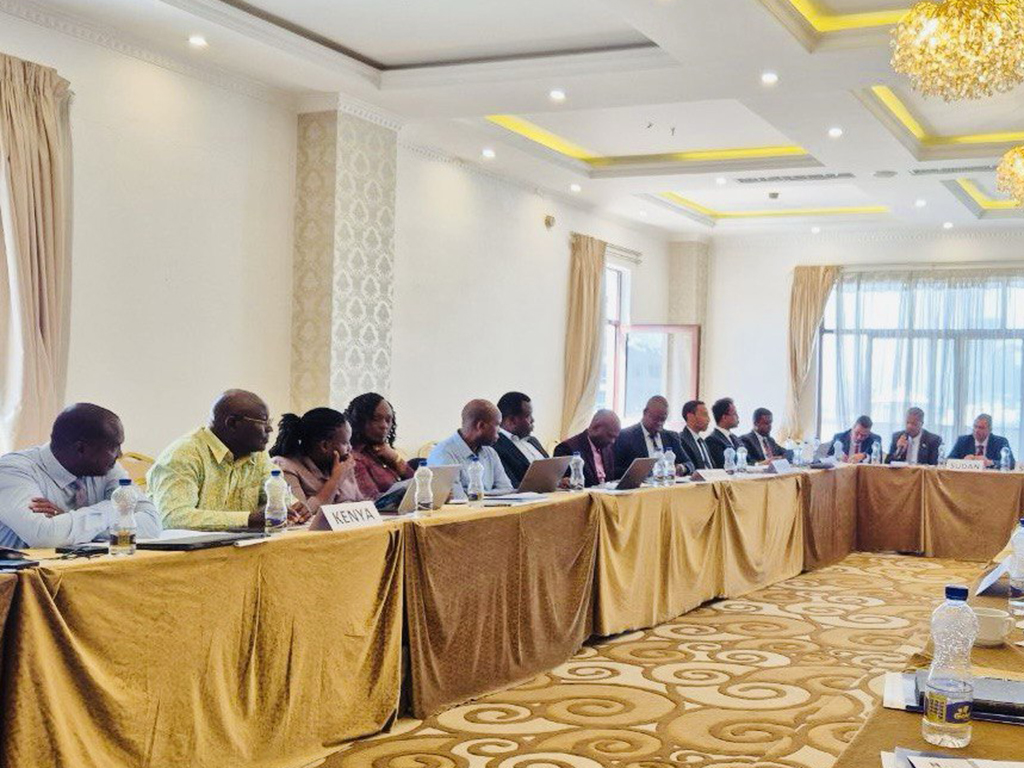
Oil and gas companies must ensure multi-layered protection of energy infrastructure to maximize its security from terrorist attacks in today's environment. This is stated in the expert report "Best International Practices for Protecting Critical Oil and Gas Infrastructure from Terrorist Attacks," prepared by a team of scientists from Gubkin Russian State University of Oil and Gas (National Research University). The report was presented at a meeting on protecting energy infrastructure of the UN Office of Counter-Terrorism. The event was held in Addis Ababa, Ethiopia, with the participation of the African Union and financial support from Russia.
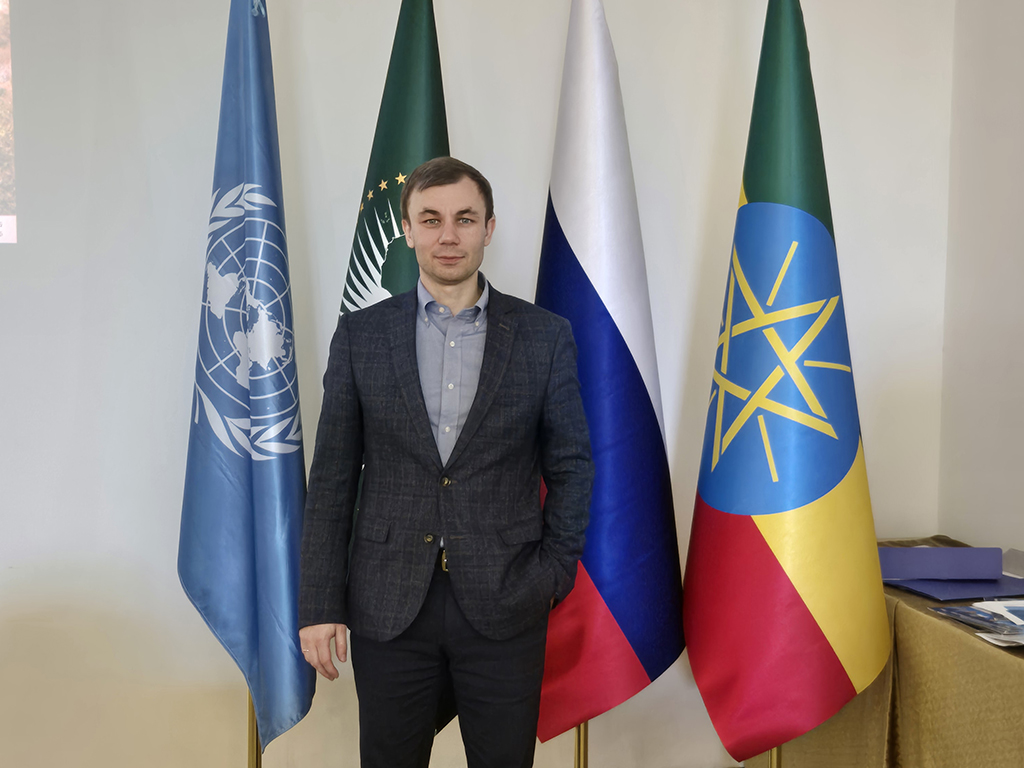
The report was presented by Dmitry Medvedev, Associate Professor of the Russian Academy of Education and Head of the Department (Basic) of International Cooperation in Fuel and Energy Complex Security at Gubkin University.
Gubkin Russian State University of Oil and Gas (National Research University). Since 2022, Gubkin has been analyzing information and communications technology (ICT) attacks on energy infrastructure facilities. The research utilizes the capabilities of the ICT attack modeling laboratory using digital twins of information processes in oil and gas companies.
According to experts and companies working in the field of information security, the number of information and communications technology (ICT)-related terrorist attacks on critical infrastructure in the Russian fuel and energy sector exceeded 10,000 in 2025. This is almost double the number in 2024.
"The growing technical complexity of modern energy infrastructure constantly creates new types of risks and threats. In recent years, terrorist attacks on oil and gas infrastructure have become more sophisticated. Physical attacks are increasingly being combined with ICT attacks against control systems and other technologies," noted Dmitry Medvedev.
To counter combined attacks, a multi-layered approach to oil and gas infrastructure security is most effective, with each layer providing an independent layer of protection, according to the report. If one layer fails, the others continue to function.
The ICT Attack Simulation Laboratory has been included in the list of international best practices for the technical guidance on protecting critical energy infrastructure recommended by the UN Office of Counter-Terrorism. The list was prepared for the exchange of experience.
In September 2025, Russia signed principles of cooperation with the UN Office of Counter-Terrorism. The document enshrines a systematic approach to providing financial support to the Office and its specialized projects, and establishes transparent mechanisms for Russia's work with the Office of Counter-Terrorism, which remains the primary UN body for providing technical assistance to states in the field of counter-terrorism.