Scientists have created the world's first reagent for eliminating oil slicks in tropical seas
An international team of scientists from the Gubkin Russian State University of Oil and Gas (National Research University), the Institute of Petrochemical Synthesis of the Russian Academy of Sciences, and the Joint Russian-Vietnamese Tropical Research and Technology Center have created the world's first reagent for tropical seas. It allows for the collection and safe disposal of the thin film left behind by oil spills. The compound is called SN-1.
Oil slicks form on the sea surface as a result of oil spills due to tanker accidents or equipment failures at offshore oil and gas fields. They block sunlight, oxygen, and the release of carbon dioxide, impeding heat exchange, thereby disrupting underwater ecological chains.
"The problem of oil spills is often associated with Arctic seas, but the tropics suffer no less from such disasters. Busy tanker shipping routes pass through them, and high water temperatures only exacerbate the consequences of accidents. Heated oil becomes more fluid and spreads more quickly, forming a thin film, approximately 0.1-0.3 millimeters thick, over a vast area. In a tropical climate, it is virtually impossible to collect it using standard mechanical methods, which require a layer thicker than one millimeter, and at least three millimeters for combustion," commented Alexey Dedov, Head of the Department of General and Applied Chemistry at Gubkin University and Academician of the Russian Academy of Sciences.
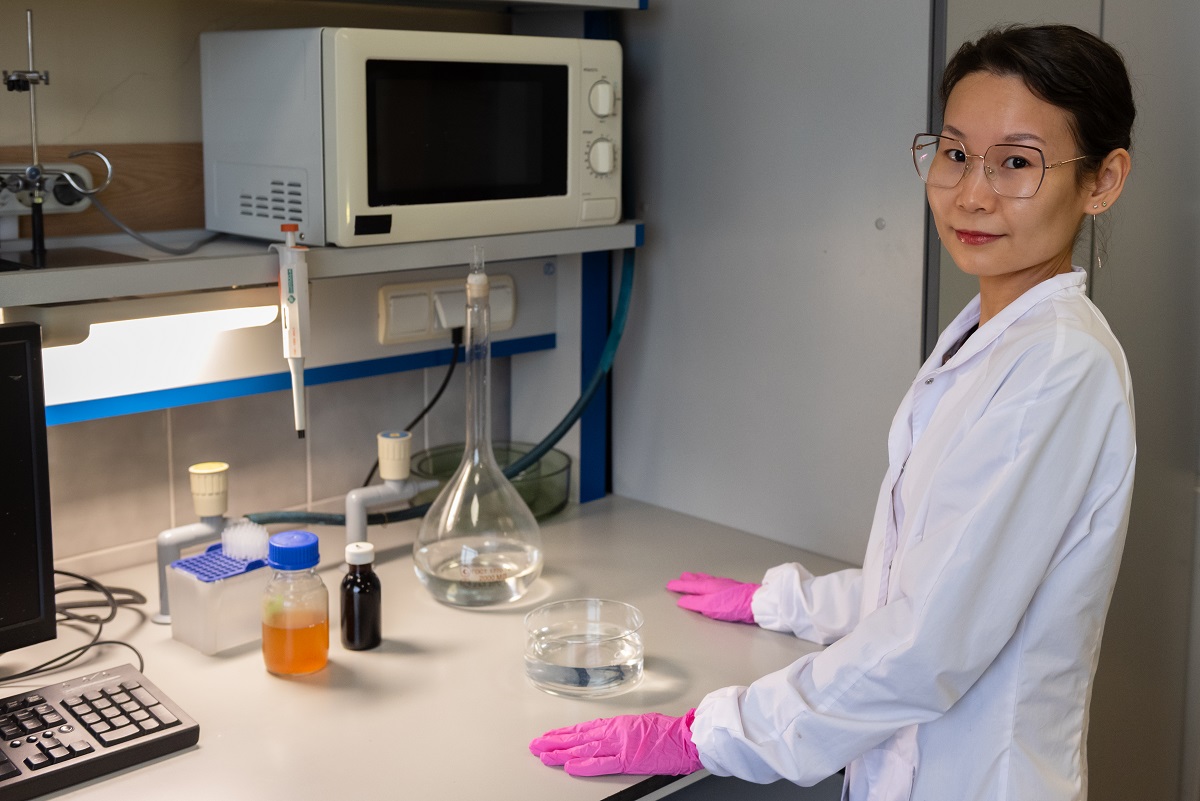
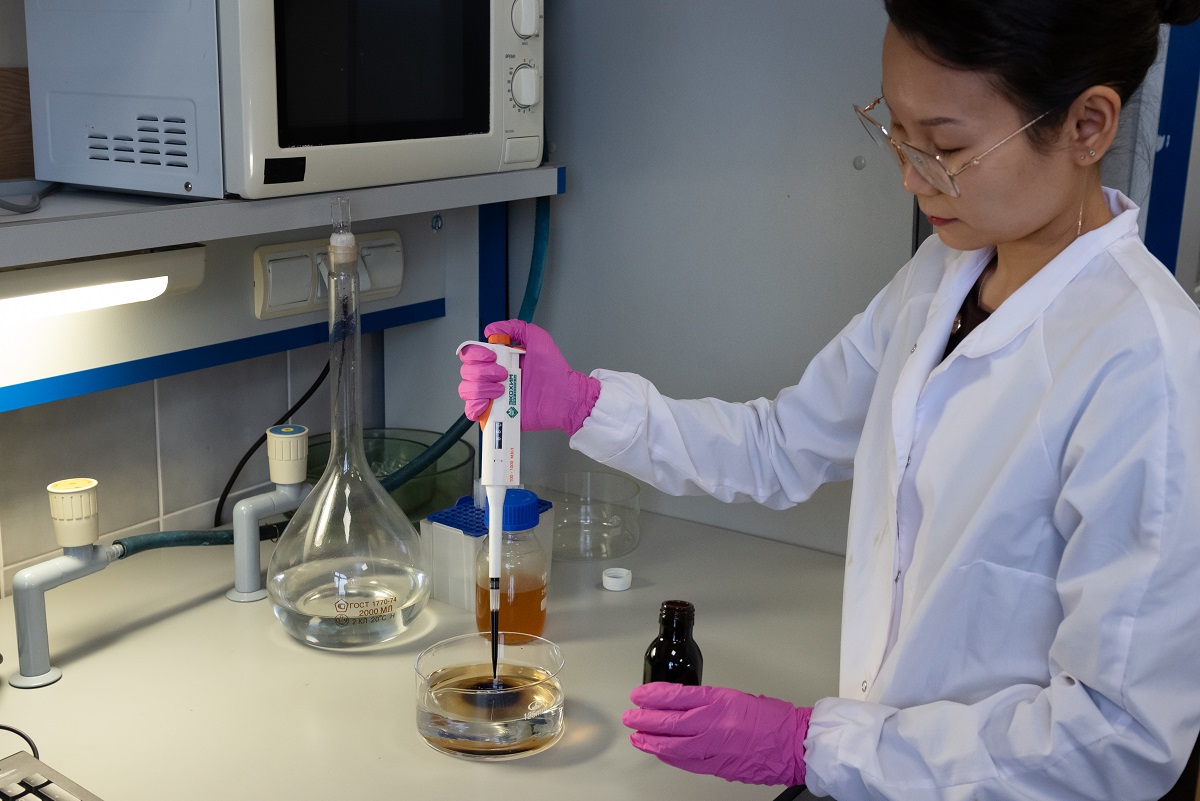
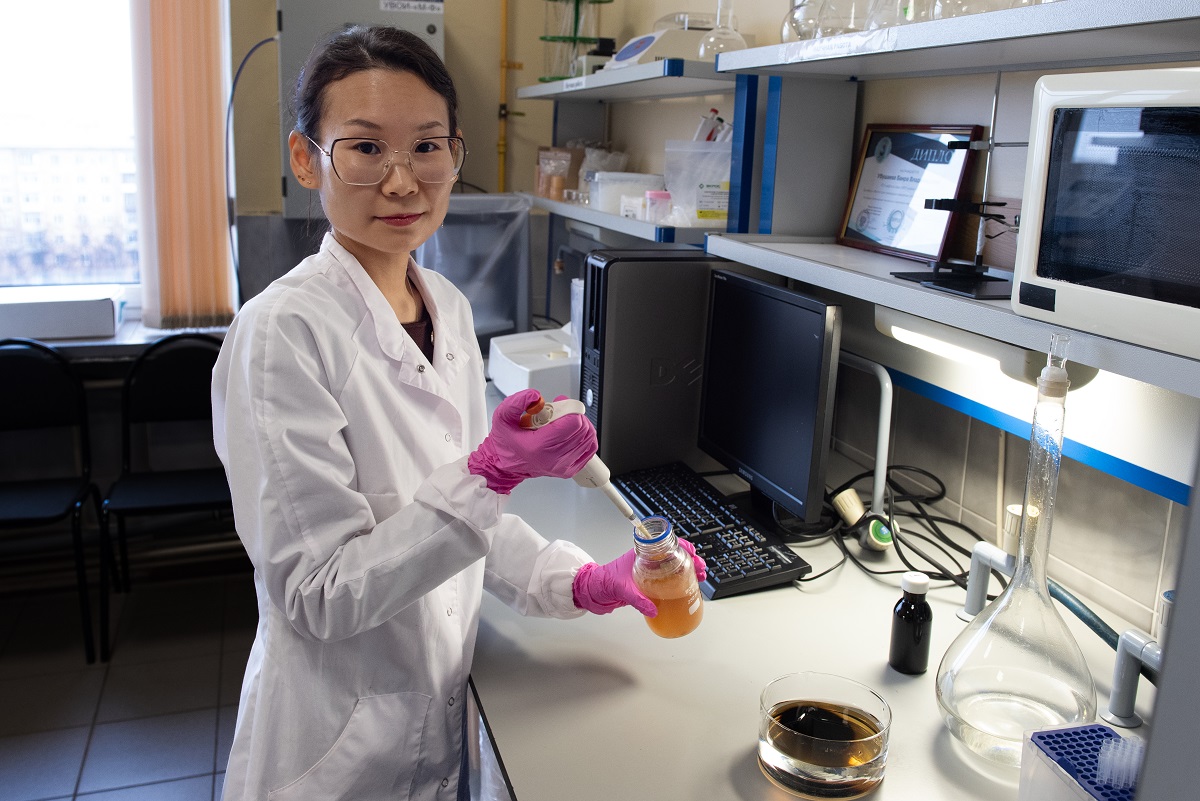
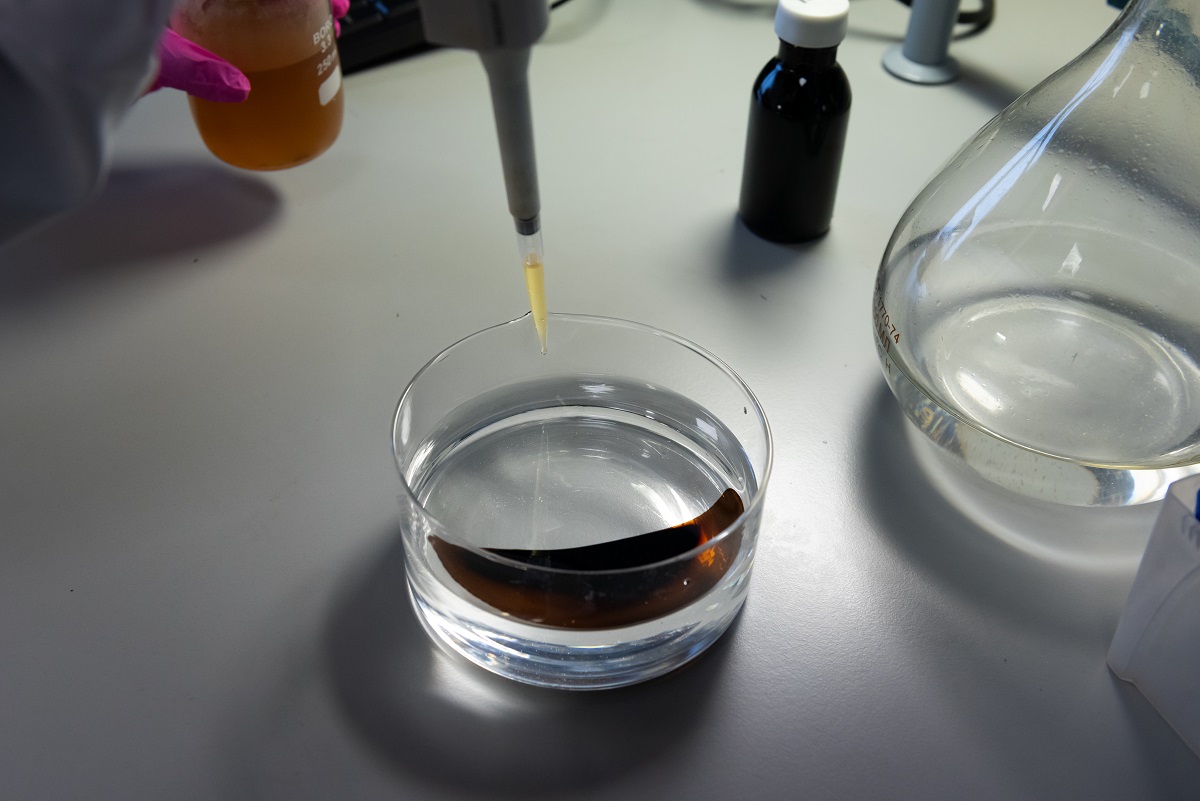
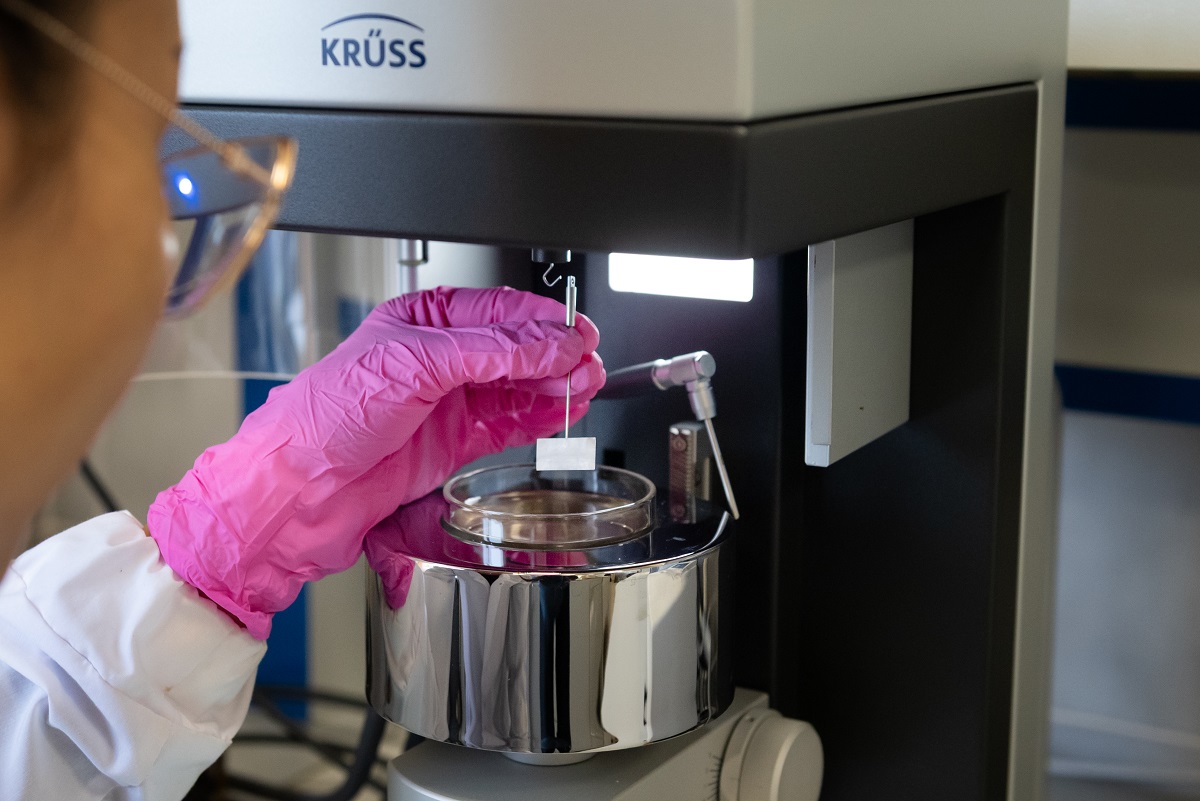
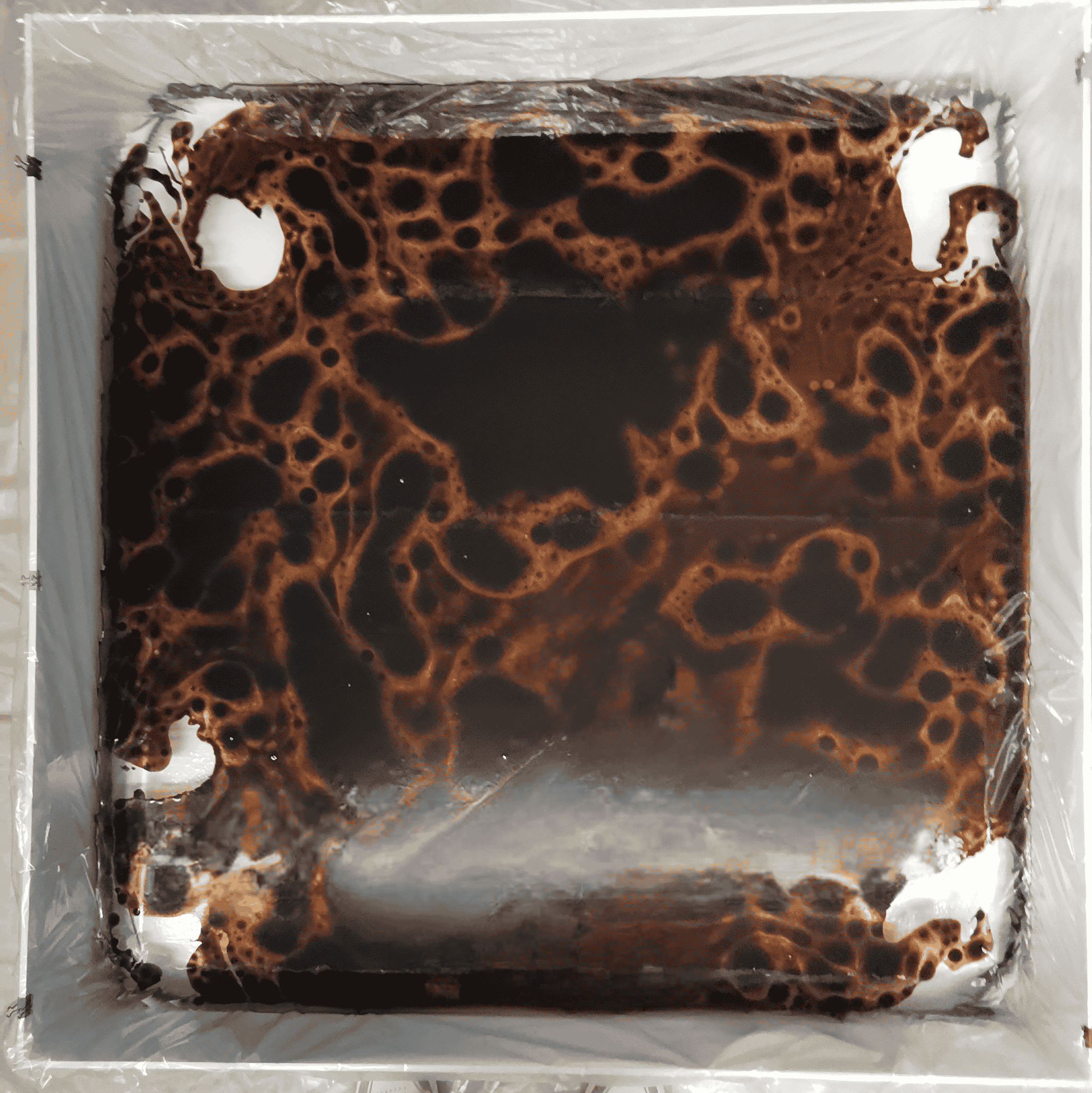
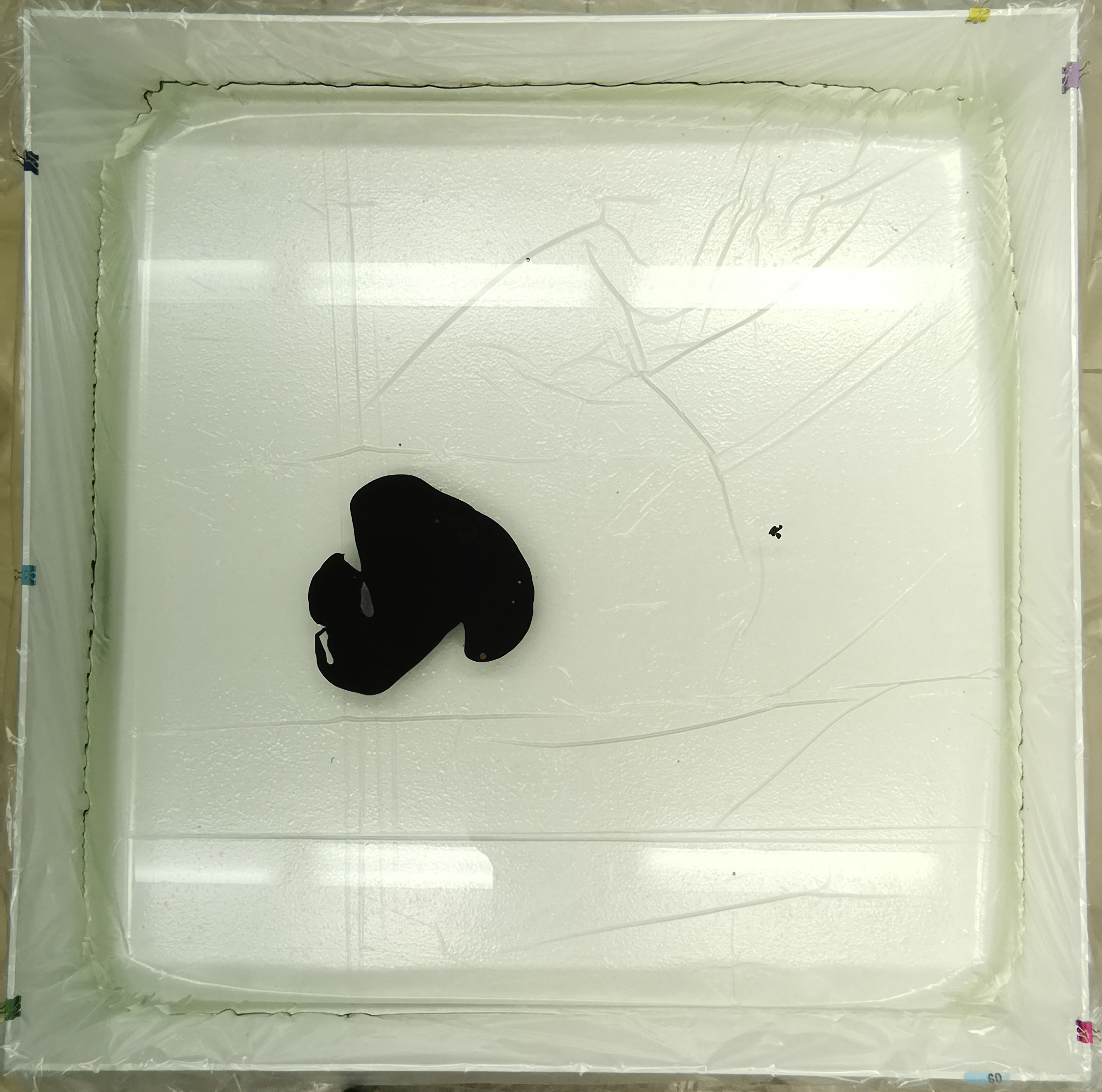
A team of chemists led by Alexey Dedov has developed a reagent that "contracts" the oil film, increasing its thickness and reducing its area by 98%. Field tests at a Vietnamese marine research station confirmed that the composition increases the thickness of the oil slick by 11-21 times, depending on the oil density, forming "cakes" of the slick that can then be removed mechanically or burned directly on the water.
Development of the reagent began at the request of Vietnamese companies and the Tropical Center. They turned to their Russian colleagues for assistance in addressing environmental issues. The composition can be used in seas located within 30-40 degrees north and south of the equator: the eastern Black Sea, the southwestern Caspian Sea, the Mediterranean, the Red Sea, and other seas, as well as in bays and parts of oceans, coastal rivers, and lakes, where the use of safe substances is a strict requirement.
The reagent is designed for application around the perimeter of the oil slick. It reduces the surface tension of the water, causing the slick to "compress," reaching a thickness of up to 3.4 millimeters. The product's effectiveness lasts for over 24 hours.
"Rain won't affect oil recovery, but strong waves can break up the film, so sea state 3-4 is required for the procedure. The reagent has been successfully tested not only in Vietnam but also in the Black Sea, off the coast of Anapa. The question now is who will manufacture the product," added Junior Researcher Baira Ubushaeva.
The project also developed the scientific foundations for a waste-free technology for eliminating thin oil films.