Scientists have created an oil that saves fuel in gas piston engines
Scientists from Gubkin Russian State University of Oil and Gas (National Research University) have developed a synthetic oil for gas piston engines that reduces fuel methane consumption by 7%. The product was developed for import substitution in the energy sector. The development opens up new opportunities for distributed energy in the Far North, the Far East, and other regions without central grids.
Gas piston engines are widely used to generate electricity at facilities not connected to central grids, from industrial sites to residential communities in energy-deficit zones. "A significant portion of such installations in Russia are serviced using foreign oils, the cost of which, according to the developers, includes a brand premium of up to 50%. After the departure of foreign suppliers, the task of creating our own high-tech product has become critical," explained Leonid Bagdasarov, Associate Professor at Gubkin University.
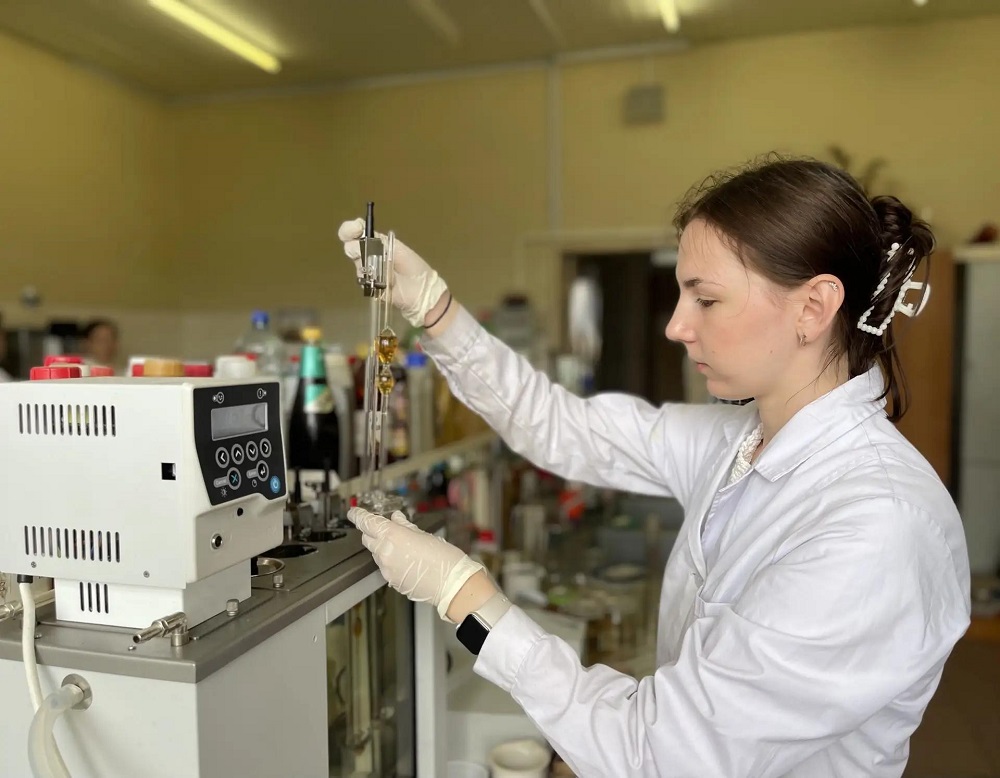
When developing the domestic oil, scientists used a combination of esters and polyalphaolefins—synthesized hydrocarbons that, unlike conventional petroleum oils, do not thicken in cold weather or break down at high temperatures. The esters reduced the sulfated ash content, which can contaminate engine parts, to 0.2%. For comparison, imported samples have a 0.5% content. Thanks to its synthetic base, the oil maintains fluidity at temperatures down to minus 48 degrees Celsius, which is important for use in the Far North.
"Our approach is based on the principles established by Nikolai Chernozhukov, the founder of the Russian scientific school of lubricants, who was a professor at Gubkin University. We took one component with strong properties and added another with different properties to achieve a synergistic effect, that is, a mutual enhancement of quality," said Leonid Bagdasarov.
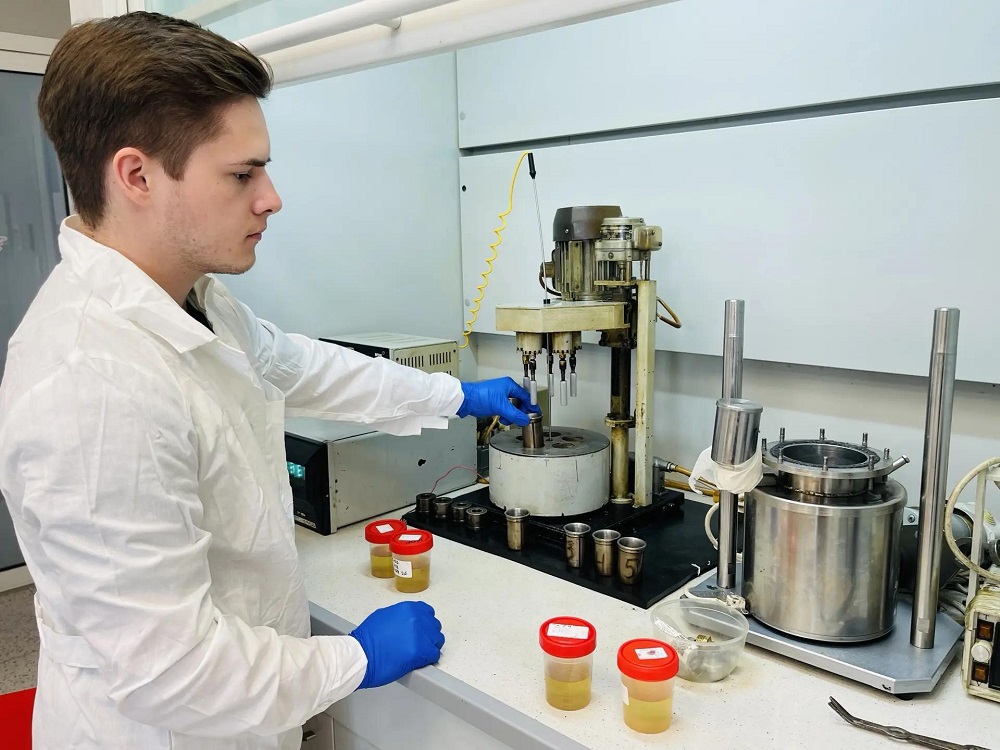
Performance tests confirmed that the low sulfate ash content of the domestic oil reduced carbon deposits in piston grooves and other engine components, reducing fuel methane consumption by 7% and extending the oil's service life up to 12 times compared to similar products.
"Previously, in the north, oil was changed every 250 engine hours; otherwise, the engine would malfunction. But in winter, any oil change is a hassle: you have to transport the oil and dispose of the waste. Now, the intervals can be increased significantly—oil changes are now available every 3,000 engine hours. This is a real help for those who work and live in areas without gas stations or service centers," added Leonid Bagdasarov.
This development opens up new possibilities for distributed energy. Maintenance savings and longer service life make the use of gas piston engines economically viable even in small villages in energy-deficient regions such as the Far North, the Far East, the Krasnodar Territory, and elsewhere.
A number of Russian energy companies have expressed interest in the product.