Russian production of catalytic cracking catalysts has reached 12,000 tons per year
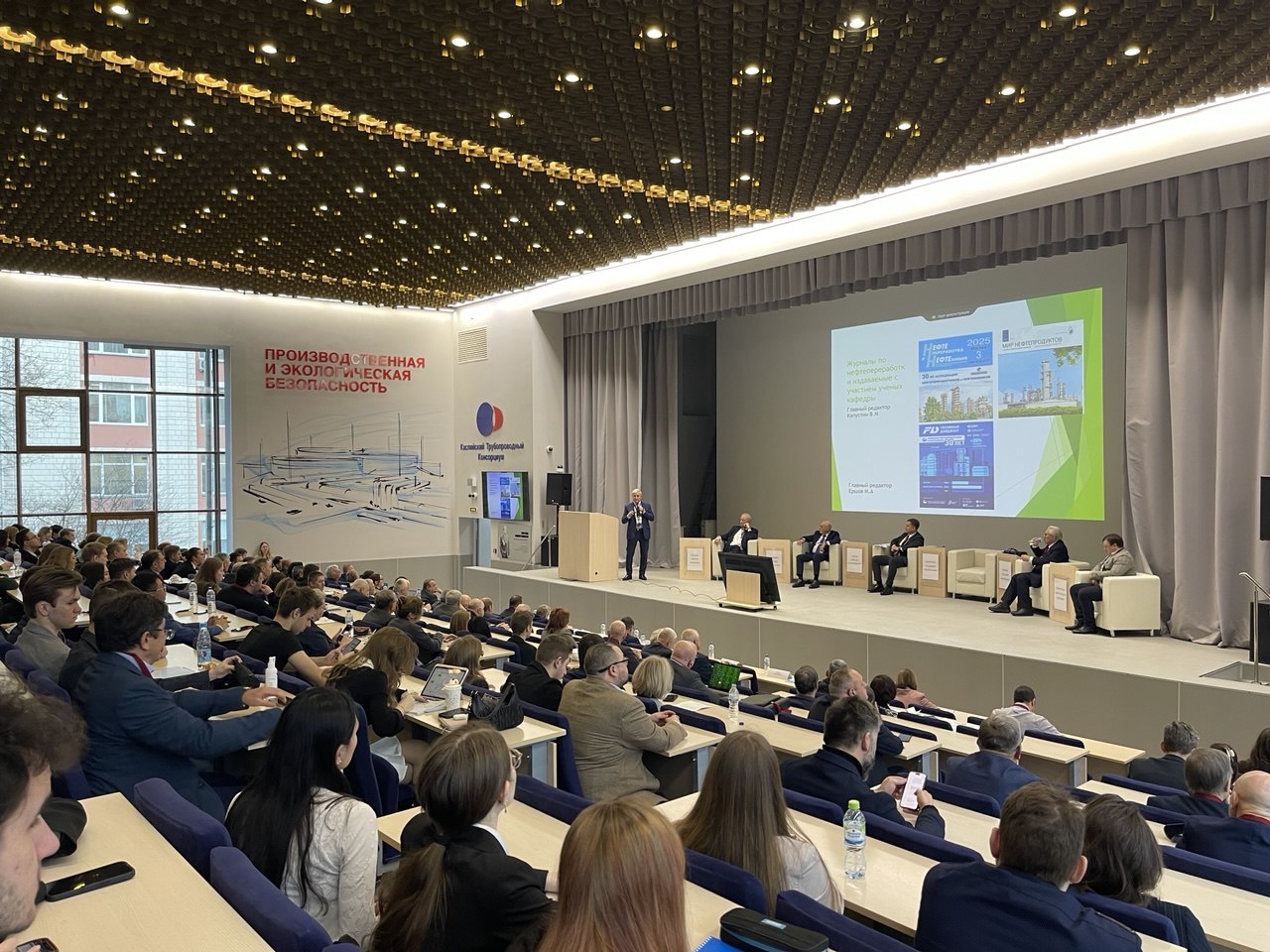
Russian companies have increased their production of catalytic cracking catalysts to 12,000 tons per year, although this level was quite dependent on imports at the beginning of 2022. This was announced by Elena Chernysheva, Professor of the Department of Oil Technology and Refining at the Gubkin Russian State University of Oil and Gas (National Research University), at the 18th Scientific and Practical Conference "Current Tasks of the Petrochemical Complex" held at Gubkin University on November 28, 2025.
Russian refining has overcome the pressure of sanctions by strengthening its own production facilities (in particular, KNT Group, the Omsk Catalyst Factory, and others).
"Demand for catalysts in the domestic market has increased." "Currently, the annual production volume of cracking catalysts is approximately 12,000 tons, which not only fully meets the needs of the domestic market but also creates opportunities for increased exports to Kazakhstan, Uzbekistan, and India," emphasized Elena Chernysheva, Deputy Head of Research at the Department of Oil Technology and Refining.
At the same time, the production of catalyst components—carriers of the required purity and porous structure, synthetic zeolites—and other materials for catalytic cracking processes remains a challenge.
"Russia has a robust production base for processing precious and non-precious metals, but specialized production of metals and their compounds for catalytic systems remains underdeveloped," added Elena Chernysheva.
Gubkin University is participating in the development of new types of catalysts for oil refining and petrochemicals, which will replace foreign analogues.
"The university's experience in catalyst development dates back to the Soviet era, and, drawing on the expertise of our scientific school, we continue to develop them today." "For a development to progress through the complex process from a research laboratory to production, several stages are necessary: from small-scale production to pilot runs on industrial units," explained Elena Chernysheva.
An important area of import substitution is the development of specialized equipment for oil refining: heat exchangers, centrifugal compressors, high-pressure reactors, and integrated process control systems, the professor concluded after analyzing the production capacities of enterprises.
"The current conditions open a unique window of opportunity for transitioning from technological borrowing to in-house innovation," noted Elena Chernysheva.
Conference participants also discussed current trends in the development of oil refining and petrochemicals related to the geopolitical situation, changes in the global petroleum product market, and the development of innovative technologies. The conference brought together over 200 participants, including representatives of the scientific community, experts, and employees of the country's leading oil refineries.