Results of the 18th Scientific and Practical Conference "Current Challenges of the Petrochemical Complex" and the 4th Scientific School for Young Scientists "Innovative Solutions and Research in the Oil and Gas Industry"
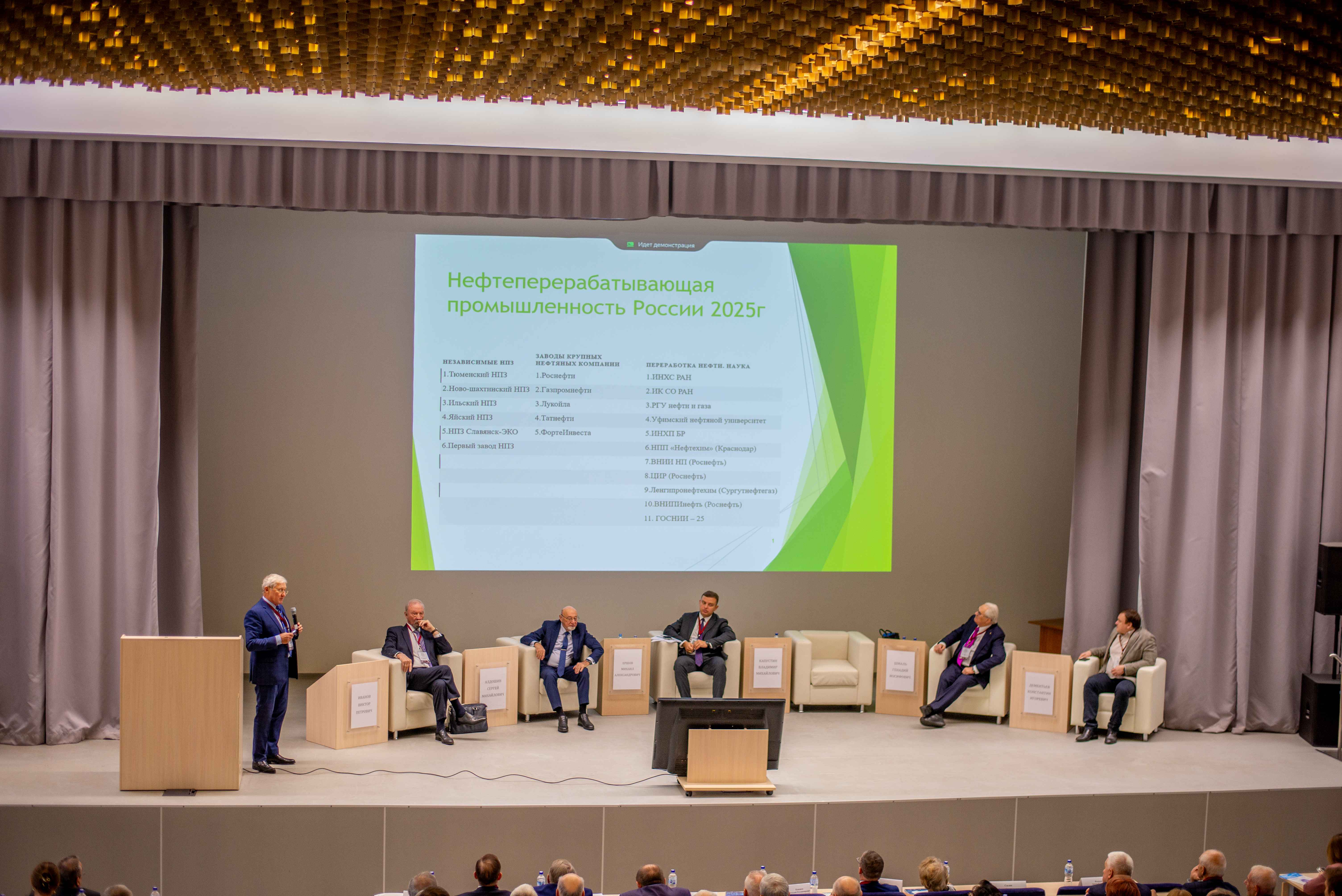
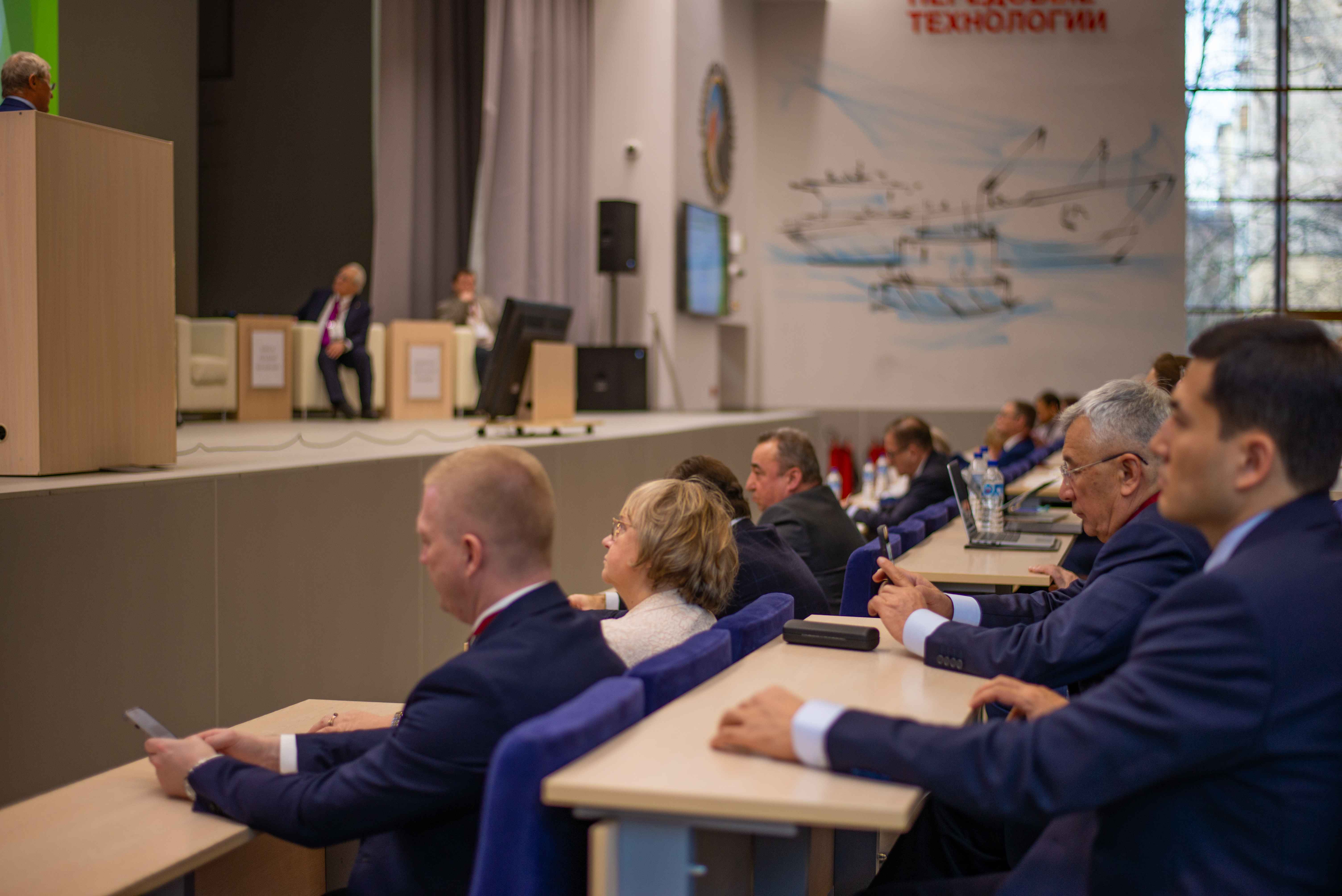
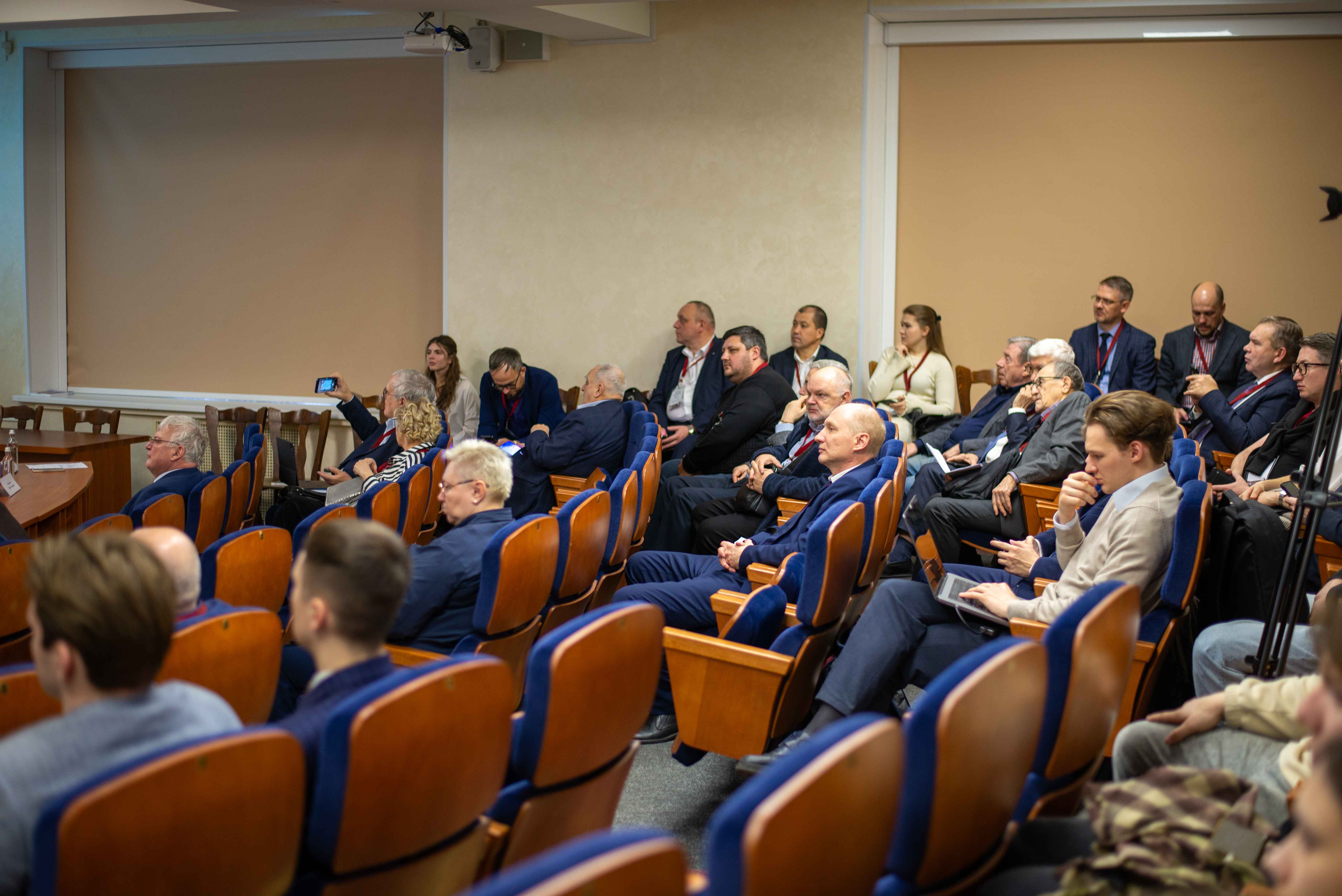
On November 28, 2025, Gubkin University hosted the 18th Scientific and Practical Conference "Current Challenges of the Petrochemical Complex" and the 4th Scientific School for Young Scientists "Innovative Solutions and Research in the Oil and Gas Industry" as part of events dedicated to the 95th anniversary of the Department of Oil Refining Technology at Gubkin Russian State University of Oil and Gas (National Research University). The annual scientific and practical conference "Current Challenges of the Petrochemical Complex," traditionally organized by Gubkin University, brought together over 250 representatives from ministries and departments, the Russian Academy of Sciences, domestic industry companies, refineries and petrochemical plants, analytical and consulting agencies, design and engineering institutes, and leading universities training specialists in the oil, gas, and petrochemical industries. The event included final sessions of the Technology Platforms "Deep Processing of Hydrocarbon Resources" and "Hydrocarbon Production and Utilization Technologies," as well as the annual scientific school for young scientists "Innovative Solutions and Research in the Oil and Gas Industry."
The conference began with welcoming remarks from Professor A. A. Surikov, Head of the Department of Oil Refining Technology at Gubkin University, Academician of the Russian Academy of Natural Sciences, and Doctor of Engineering. Vladimir Kapustin, President of the Russian Union of Chemists; Professor Viktor Ivanov; Sergey Aldoshin, Vice President of the Russian Academy of Sciences and Scientific Director of the Federal Research Center for Problems of Chemical Physics and Medicinal Chemistry of the Russian Academy of Sciences; and Gennady Shmal, President of the Union of Oil and Gas Producers of Russia.
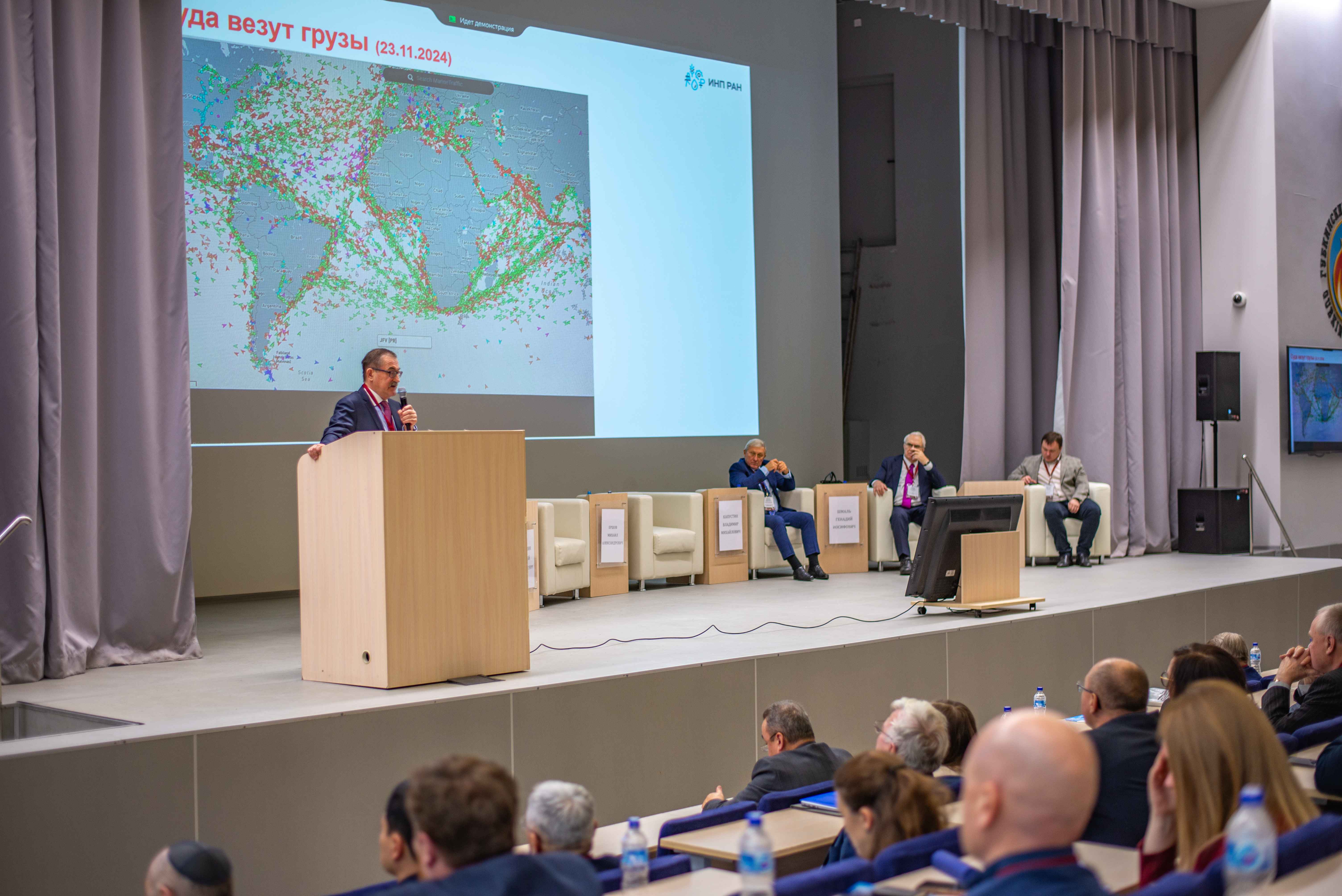
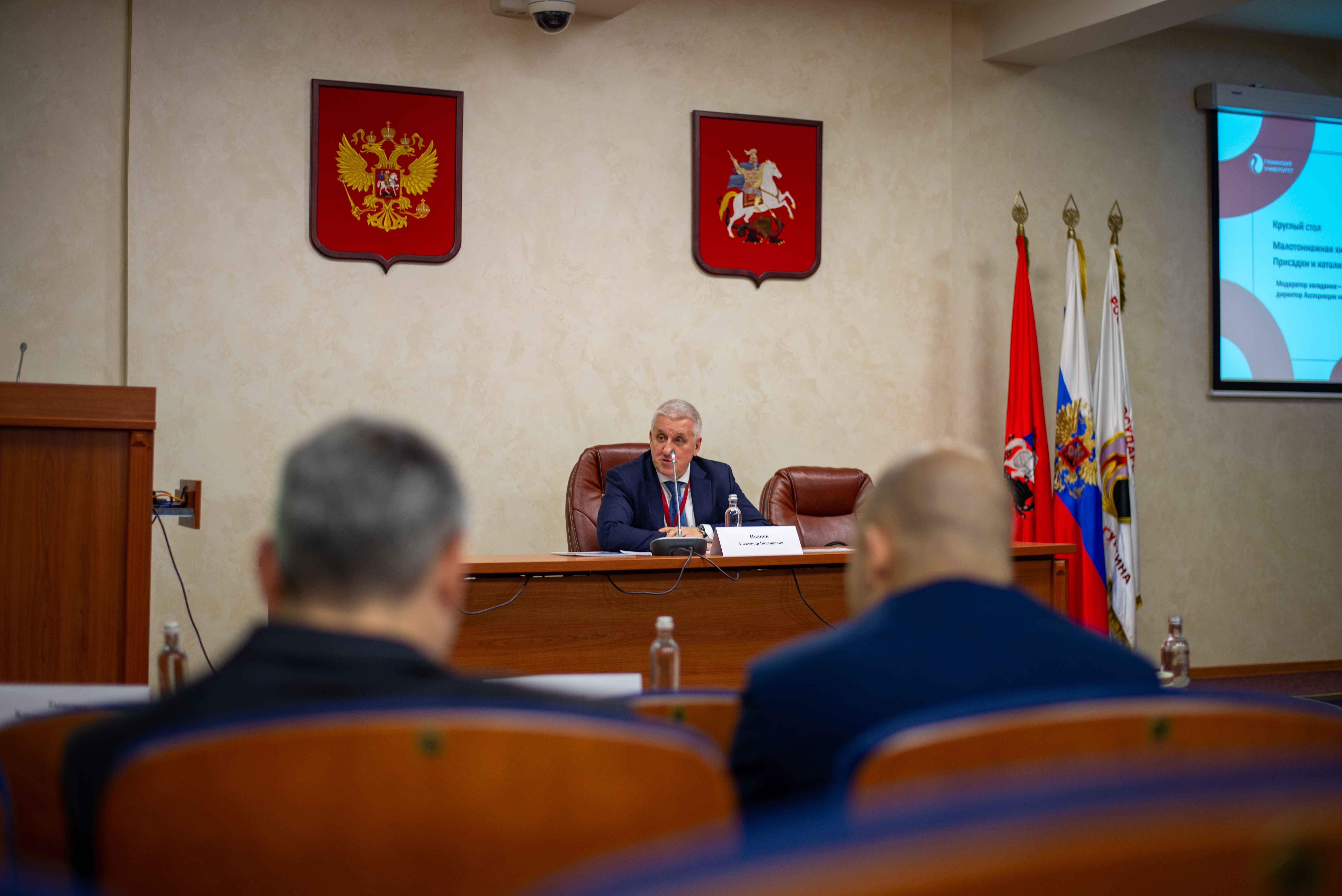
The plenary session, "The Current State and Main Development Directions of the Russian Petrochemical Complex," was moderated by Mikhail Ershov, Professor of the Department of Oil Refining Technology at Gubkin University and Doctor of Engineering. Speakers also shared the experiences of their companies and the Chinese oil refining and petrochemical industry.
The conference included four roundtable discussions: "Oil Refining and Petrochemicals in the Current Economic Environment. Current Issues of Logistics and Technical Support," and "Design, Modeling, Optimization, and Management of Processes and Facilities in the Oil Refining and Petrochemical Industries." The conference featured discussions on "Small-Scale Chemistry for Oil Refining and Petrochemicals. Additives and Catalysts," and "Processing Heavy Residual Oil Products. Production of Bitumen, Coke, and Carbon Materials." Participants discussed the integration of oil refining and petrochemicals, the production of high-added-value products, the lack of spare parts, equipment, technological sovereignty in catalyst and additive production, the prospects for the development of oil refining and petrochemicals in the current economic environment, including the processing of residual feedstock, as well as innovative software solutions for design, optimization, and process management at industry enterprises.
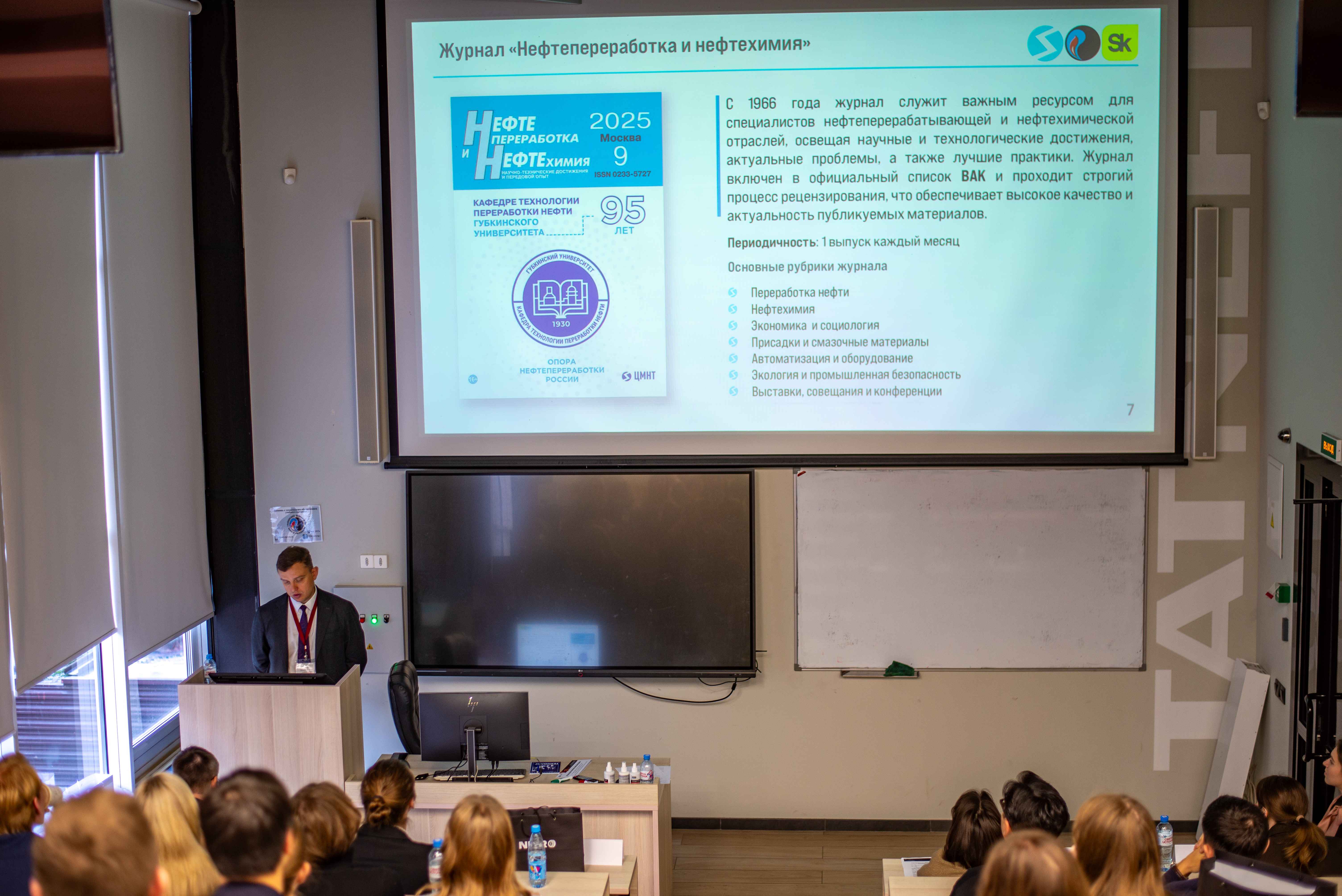
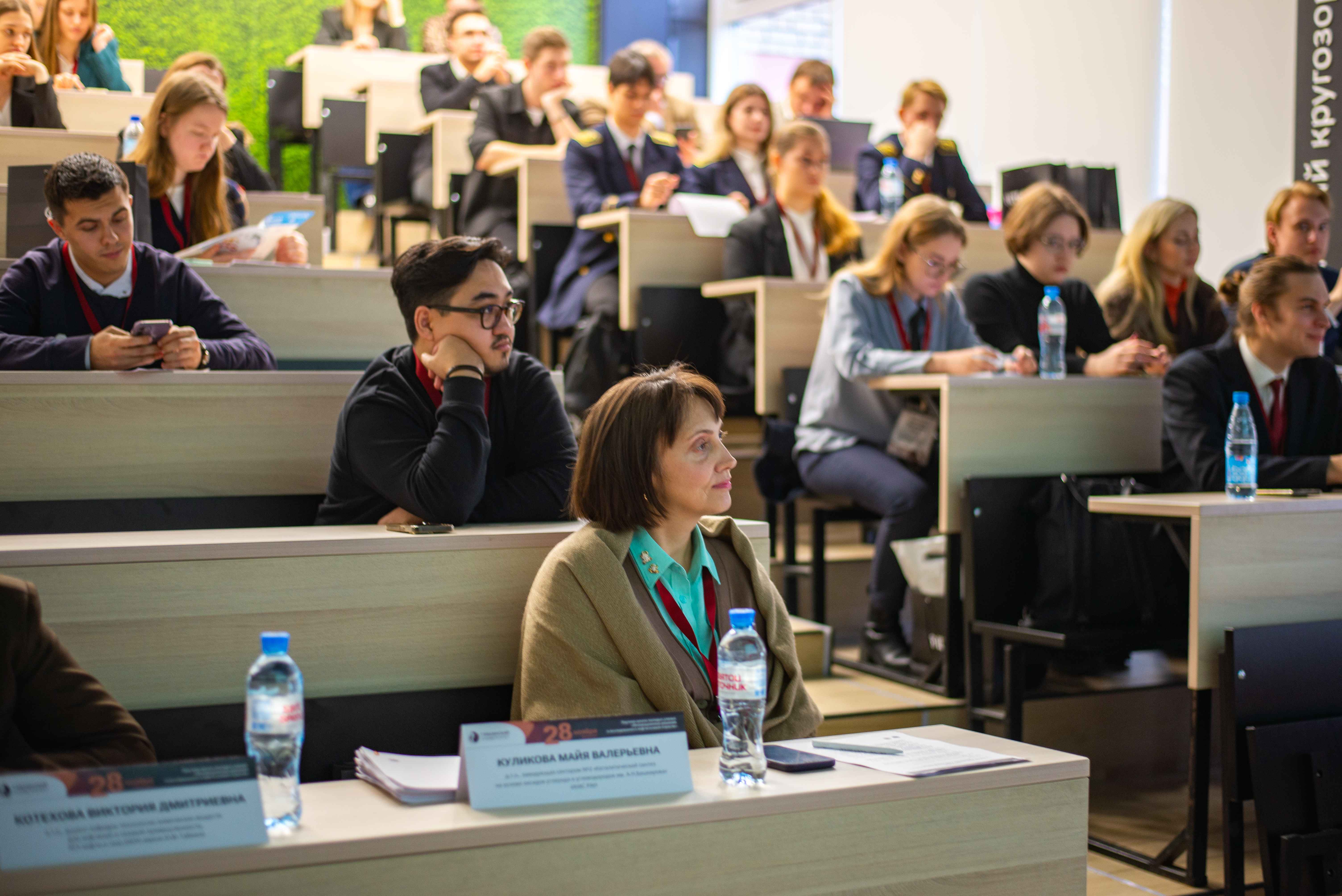
The conference traditionally included the Scientific School for Young Scientists, which in 2025 was dedicated to innovative solutions and research in the oil and gas industry. The event covered a wide range of topics related to the development and application of innovative catalytic and membrane technologies to address pressing challenges in the chemical and energy industries, with a focus on improving efficiency, creating more environmentally friendly processes, and utilizing renewable raw materials. More than 30 undergraduate and graduate students from five universities across the country participated in the scientific school. Ten of the best works, demonstrating a high level of preparation and relevance to the new development direction of the energy industry, were selected for in-person participation.
The scientific school began with a lecture by Mikhail Ershov, Professor of the Department of Oil Refining Technology and Doctor of Engineering, on the topic "The Current State of Motor Fuel Production in Russia: Challenges and Development Prospects." During the presentation, the audience learned about current issues related to the production of motor fuels in Russia, namely the possibility of increasing production and quality, as well as the development of technological sovereignty.
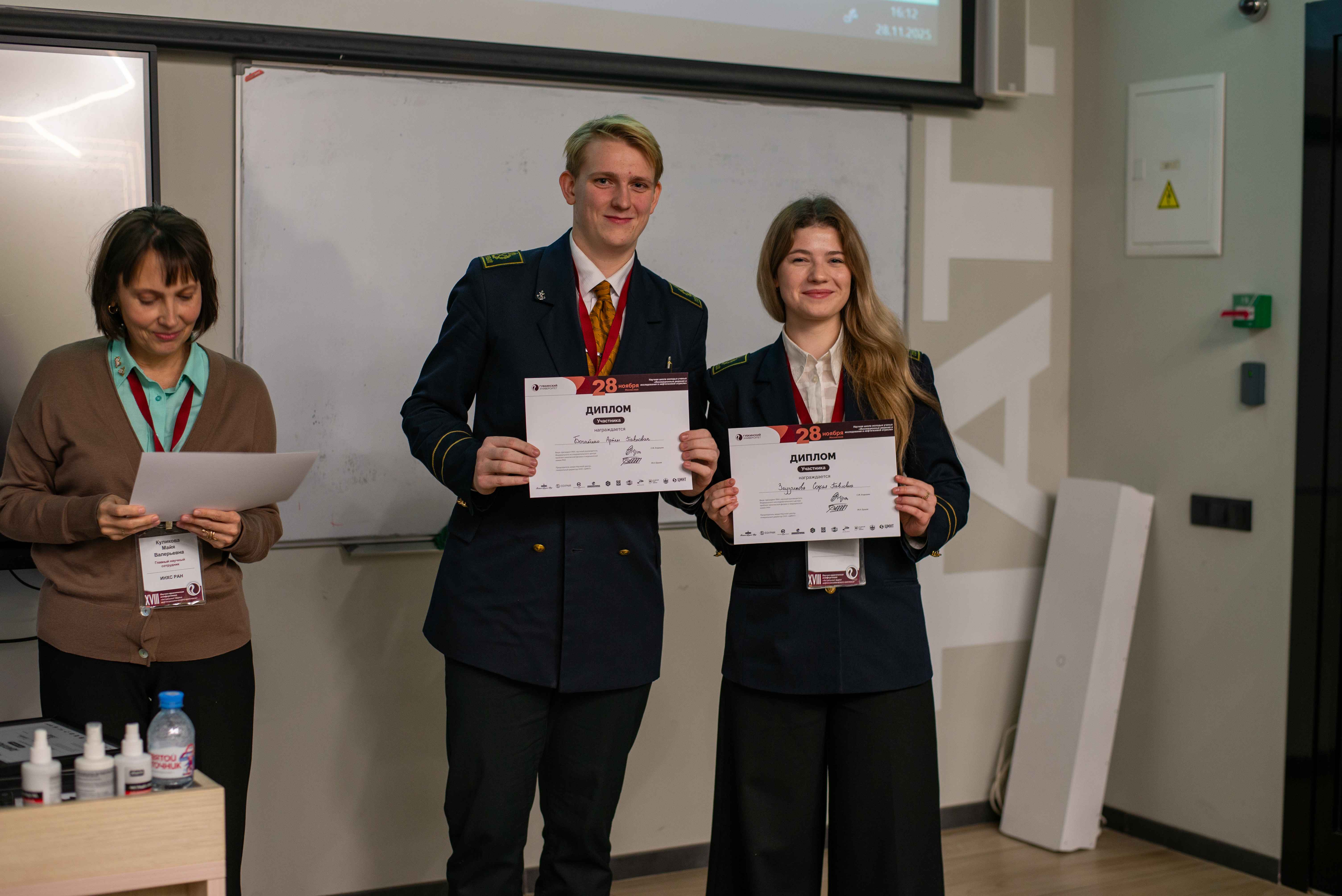
Sofya Zauzolkova, a student at the Empress Catherine II St. Petersburg Mining University, won the IV Scientific School with her paper entitled "Study of the Efficiency of Dispersant Additives Based on α-Olefin Copolymers." Elisey Stepanov, a student at the Gubkin Russian State University of Oil and Gas (National Research University), won second place with his paper entitled "Development of a Domestic Lubricating Additive for Drilling Fluids Based on Wood Chemical Products." Artem Bogatko, a student at the Empress Catherine II St. Petersburg Mining University, took third place with his paper entitled "The Effect of Pour Point Depressants on the Sedimentation Stability of Diesel Fuels during Cold Storage."
Activists from the university's student scientific society participated in organizing the conference and the school for young scientists.