Import-Outpacing Technology for Producing Motor Oil Additives Presented at the Russian Energy Week Forum
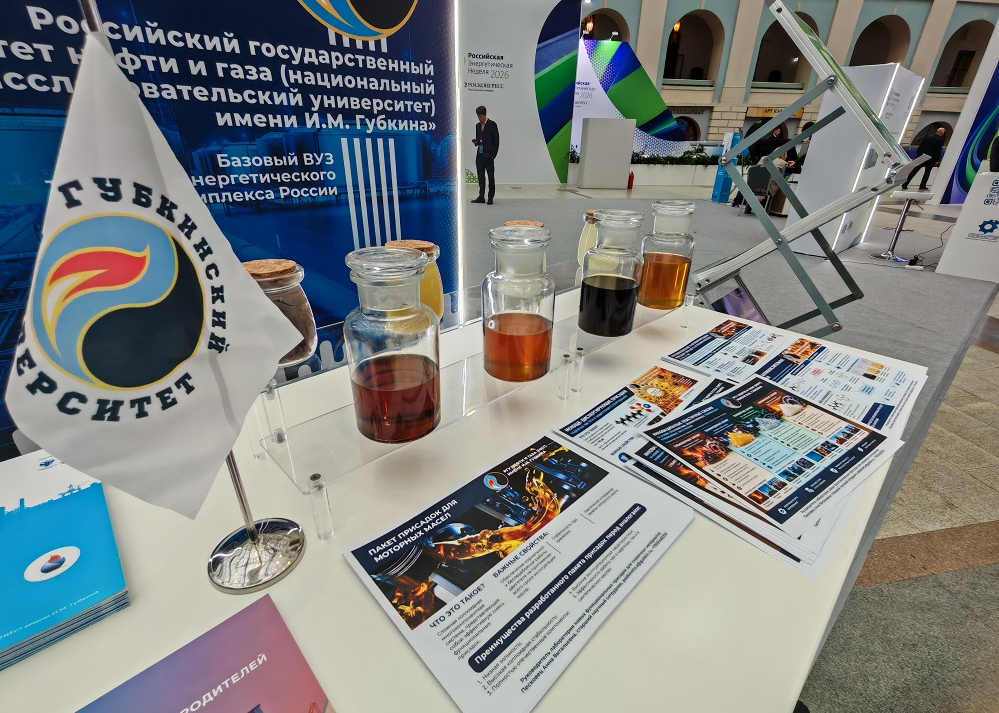
Scientists at the National University of Oil and Gas “Gubkin University” (NRU) have developed a technology for producing universal additives that simultaneously improve the anti-wear, anti-friction, and antioxidant properties of motor oils. No comparable products combining all three of these properties had previously been available on the Russian market. The technology is based predominantly on domestic raw materials and makes it possible to organize production within the country.
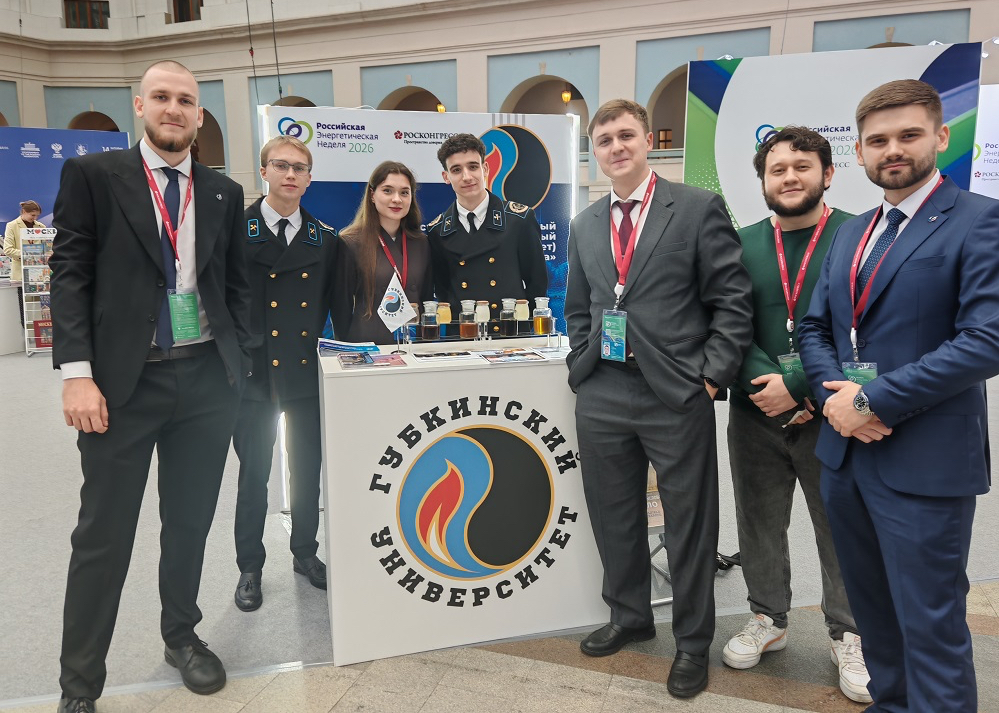
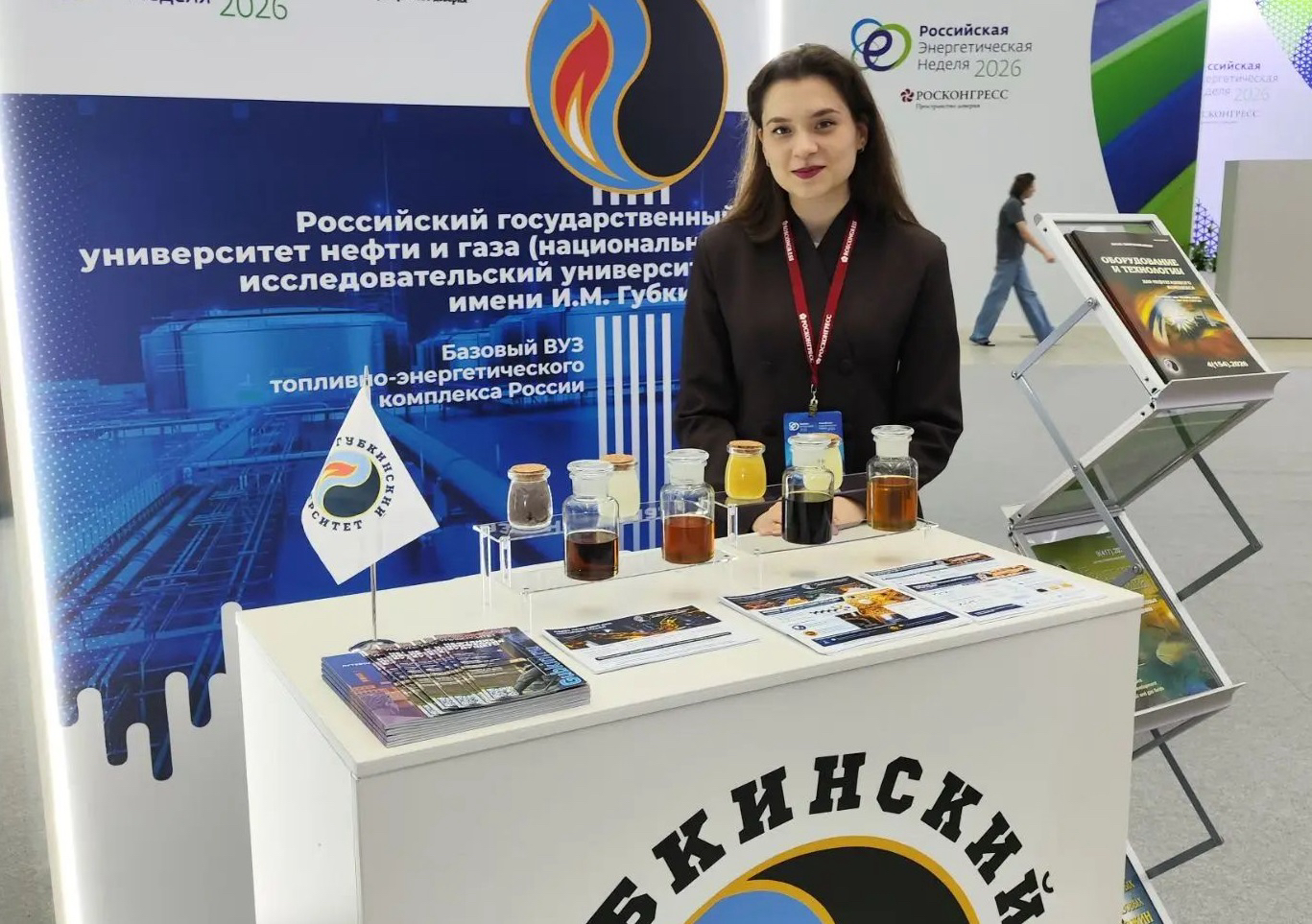
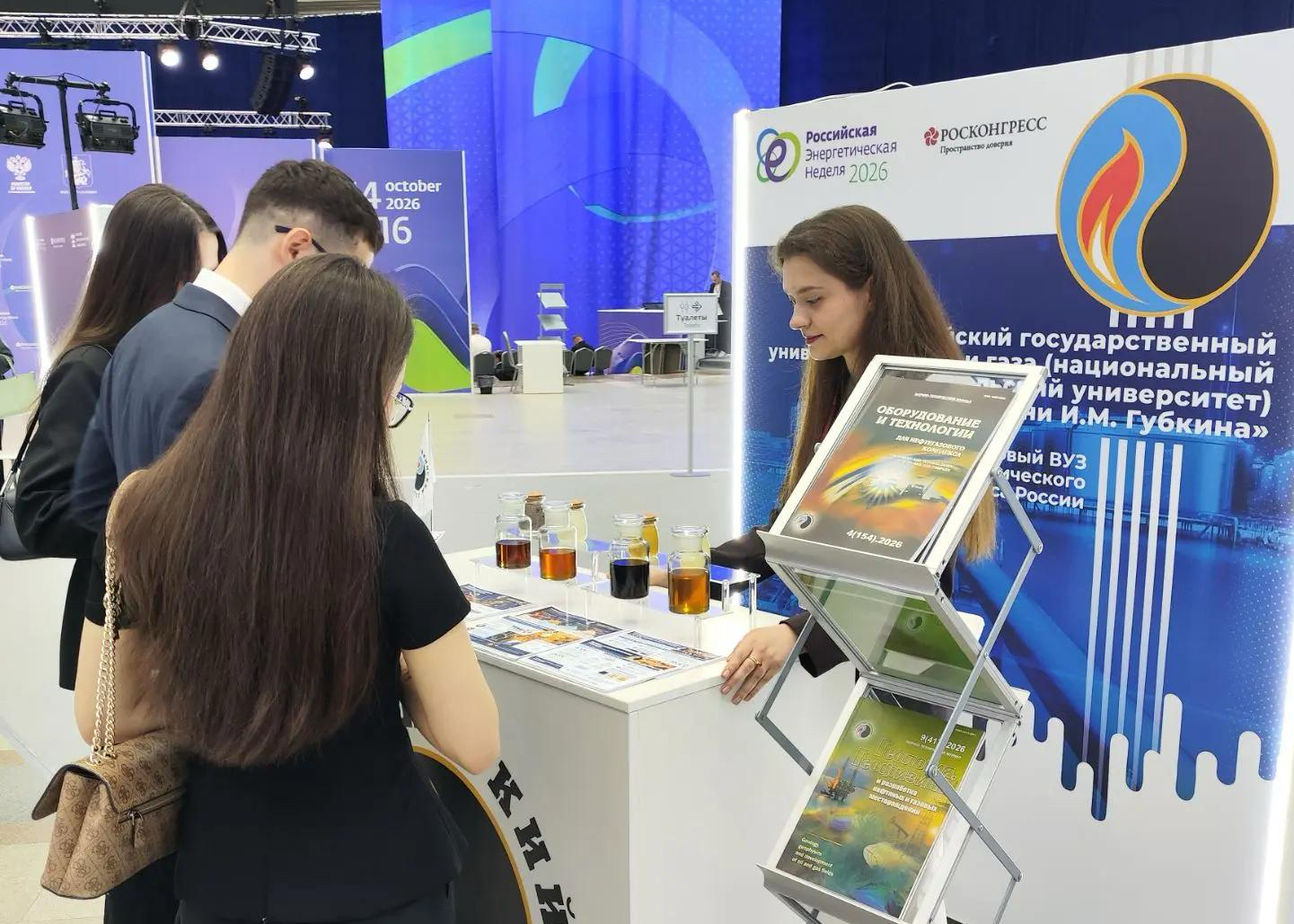
The development was presented at the Russian Energy Week forum, which is being held from October 14 to 16, 2026.
“Our technology is not simply import substitution – to a certain extent, it outpaces foreign developments. Until now, the market had not offered additives possessing three types of properties at once – anti-wear, anti-friction, and antioxidant. Our development will make it possible not only to replace foreign products, but also to take motor oil production in Russia to a new level,” said Anna Peskovets, head of the Youth Laboratory of Modern Functional Additives for Lubricants at Gubkin University.
The anti-wear additive has been synthesized on the basis of dialkyldithiophosphoric acids and zinc and molybdenum compounds using predominantly domestic raw materials, which in the future makes it possible to organize stable production within the country. The developed technology can be used to obtain similar additives based on any metal.
“Interestingly, the idea for the development was suggested to us by work carried out at Gubkin University back in Soviet times. The USSR even launched production of a similar product, but it was shut down. Now we are returning to our domestic scientific heritage, but at a new level,” the scientist says.
The technology also makes it possible to obtain ashless additives, which are needed for the production of motor oils with enhanced environmental properties. The ashless additives synthesized using the developed technology can dissolve in polyalkylene glycol oils, which are particularly resistant to thermal oxidation and capable of operating stably across a wide temperature range, including in northern regions.
Polyalkylene glycol oils are very promising for the production of a range of commercial products – non-flammable hydraulic oils, compressor oils, and oils for various turbines: wind or gas.
“Moreover, Russia has plenty of its own raw materials for them – ethylene and propylene. This will make it possible to quickly launch new production facilities and create additional jobs in the regions,” explained Anna Peskovets.
The technology was created within the framework of the national technological leadership project “New Materials and Chemistry”.
The Youth Laboratory of Modern Functional Additives for Lubricants was opened within the framework of the “Science and Universities” national project.
Gubkin University is carrying out the strategic research project “Hydrocarbon Energy Carriers” within the framework of the “New Materials and Chemistry” national project. The research is conducted in cooperation with partner organizations: the Topchiev Institute of Petrochemical Synthesis of the Russian Academy of Sciences (TIPS RAS), the 25th State Research Institute of Chemmotology of the Russian Ministry of Defense, the All-Russian Research Institute for Oil Refining (VNII NP), South Ural State University (SUSU), the State Research Institute of Civil Aviation, and oil refining companies. The project is aimed at eliminating the critical dependence on imported technologies, catalysts, lubricants, and additives that arose under sanctions pressure.