II International Scientific and Practical Conference "Socio-Humanitarian Security of Russia"
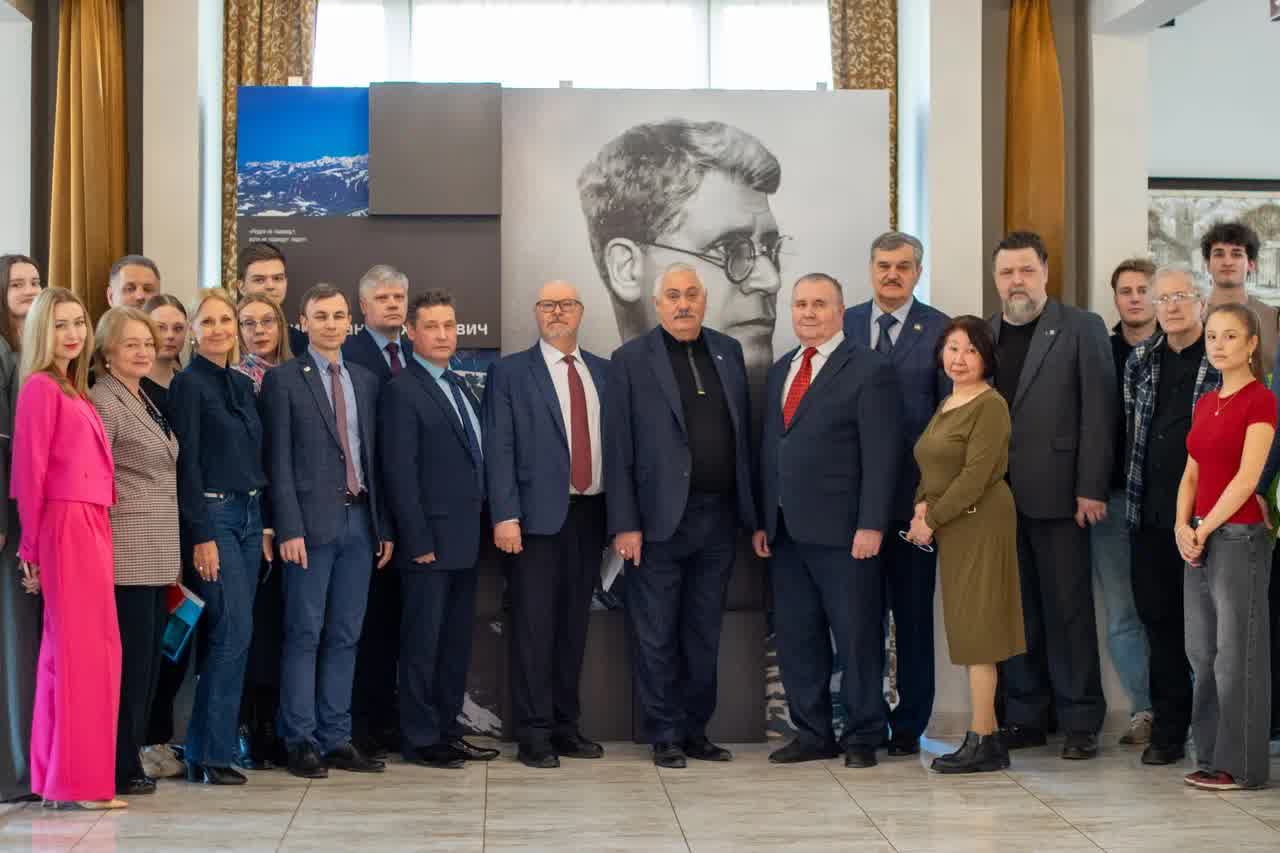
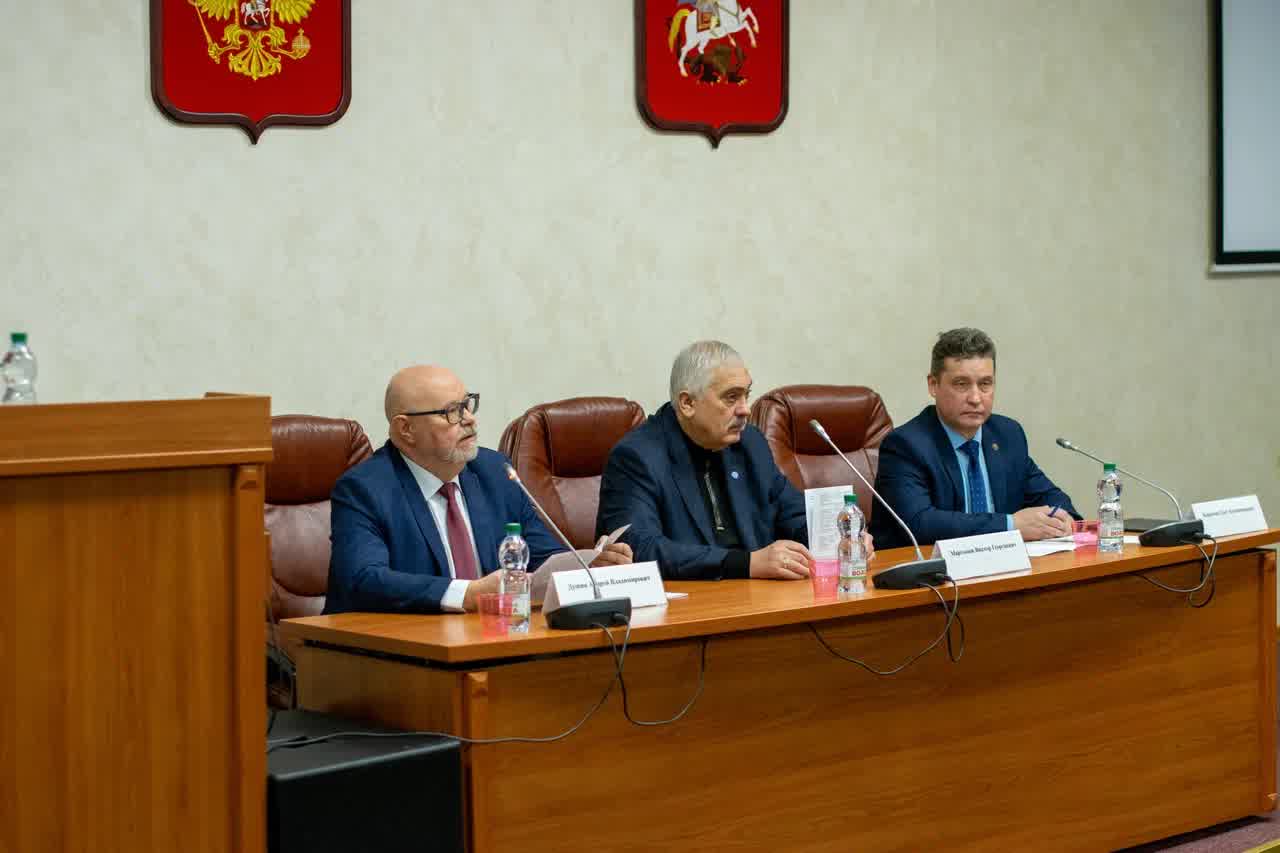
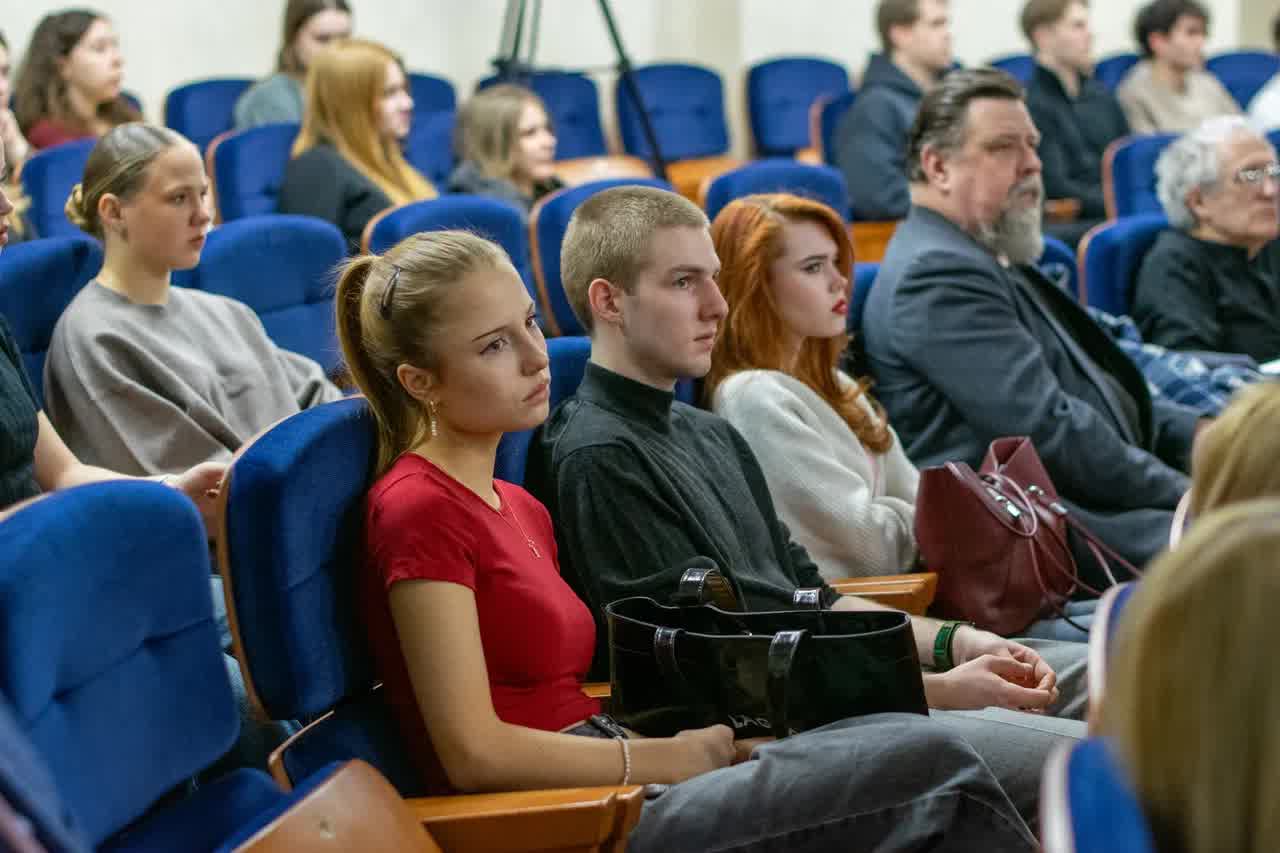
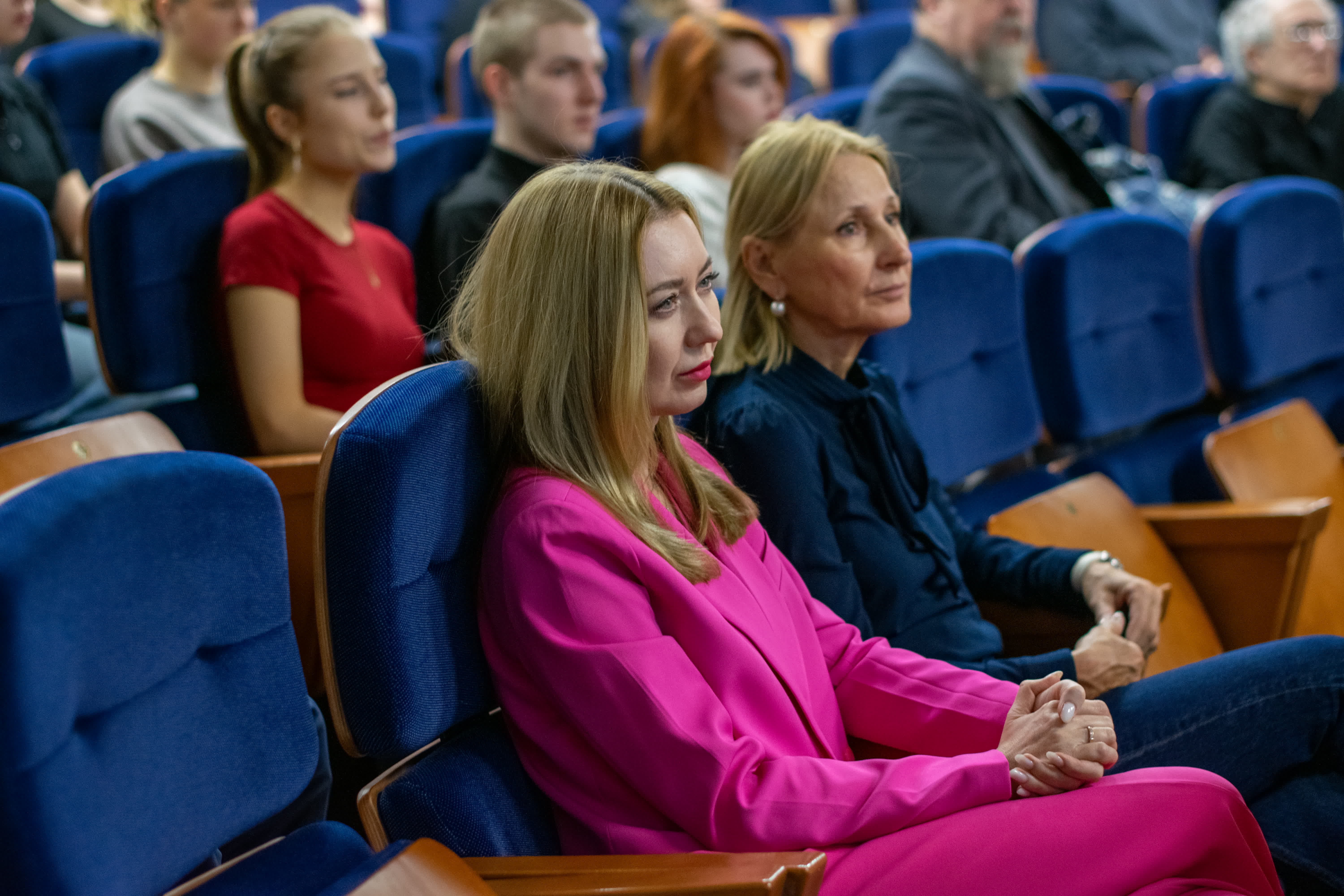
On March 20, 2026, the II International Scientific and Practical Conference "Socio-Humanitarian Security of Russia" was held at Gubkin Russian State University of Oil and Gas (National Research University), dedicated to the Year of Unity of the Peoples of Russia. The conference was organized and hosted by the Department of Geopolitics and Sustainable Development of Society, Faculty of Integrated Security of the Fuel and Energy Complex, with the participation of the Student Scientific Society.
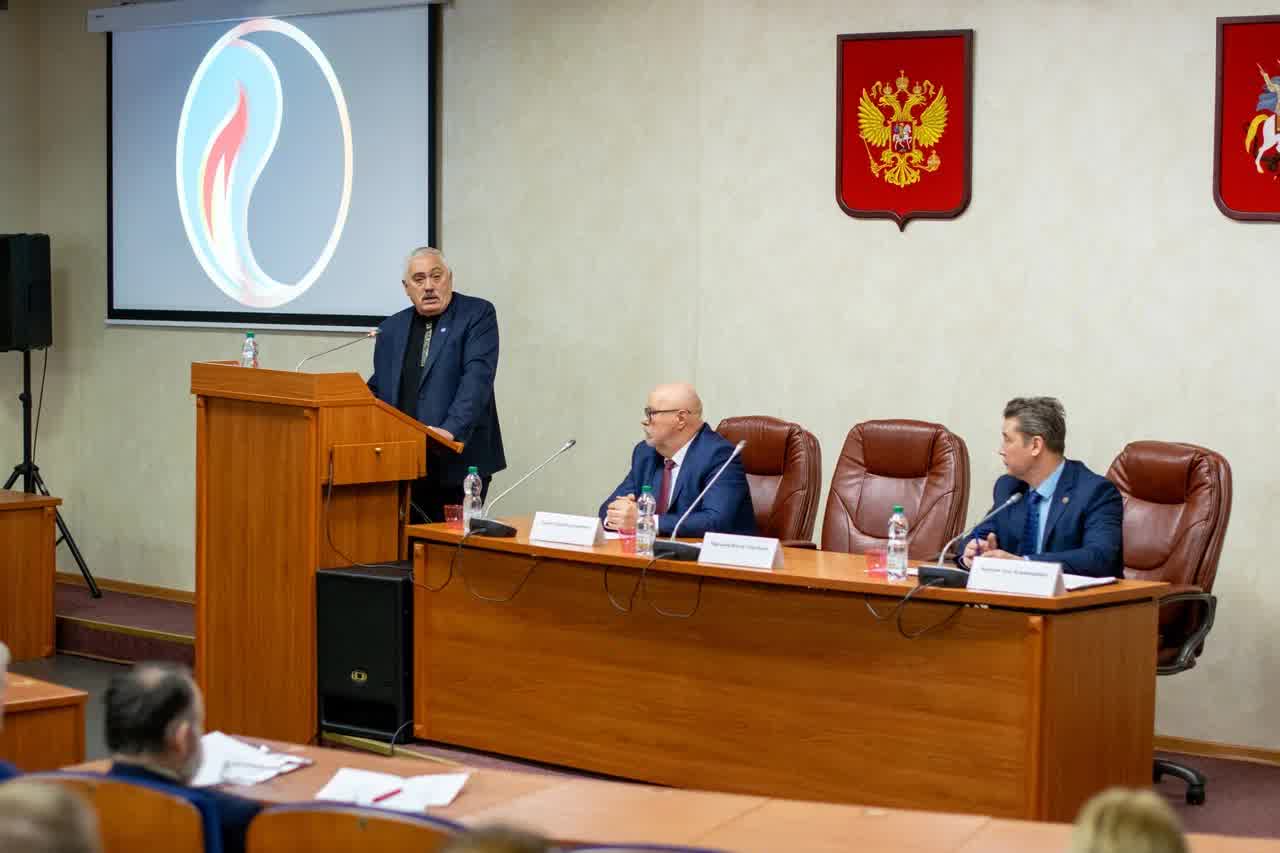
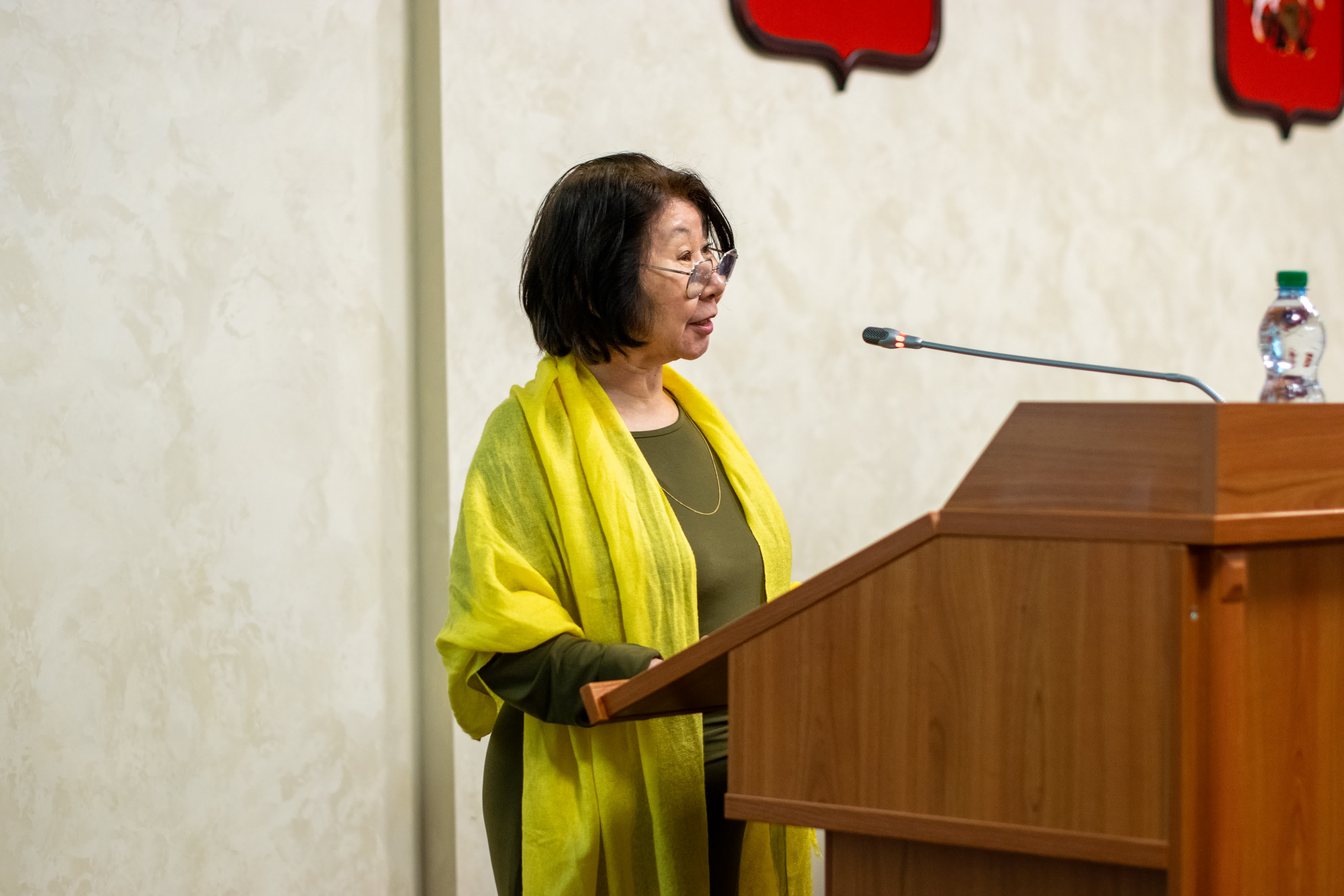
Victor Martynov, Rector of Gubkin University, Professor, Academician of the Russian Academy of Education, and Doctor of Economics, addressed the conference participants and guests with a welcoming address.
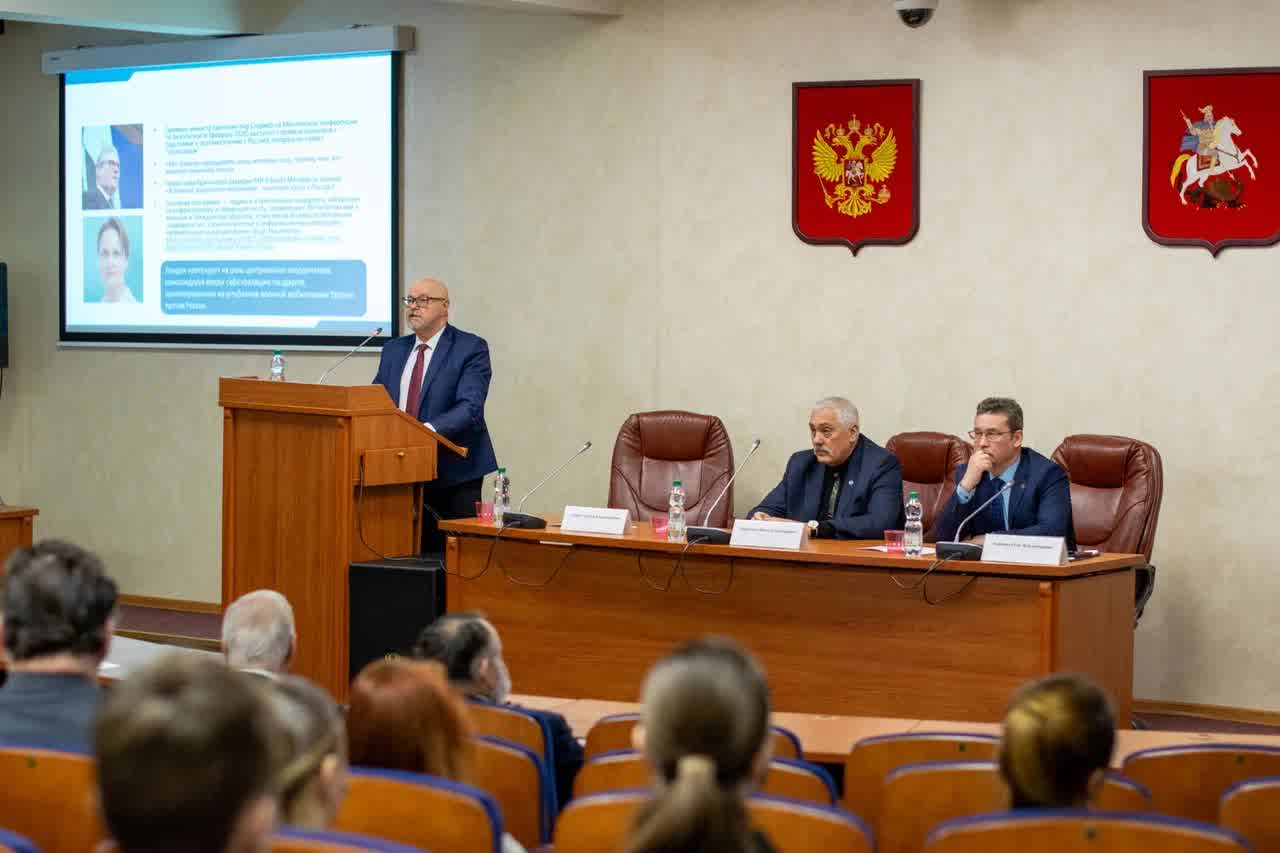
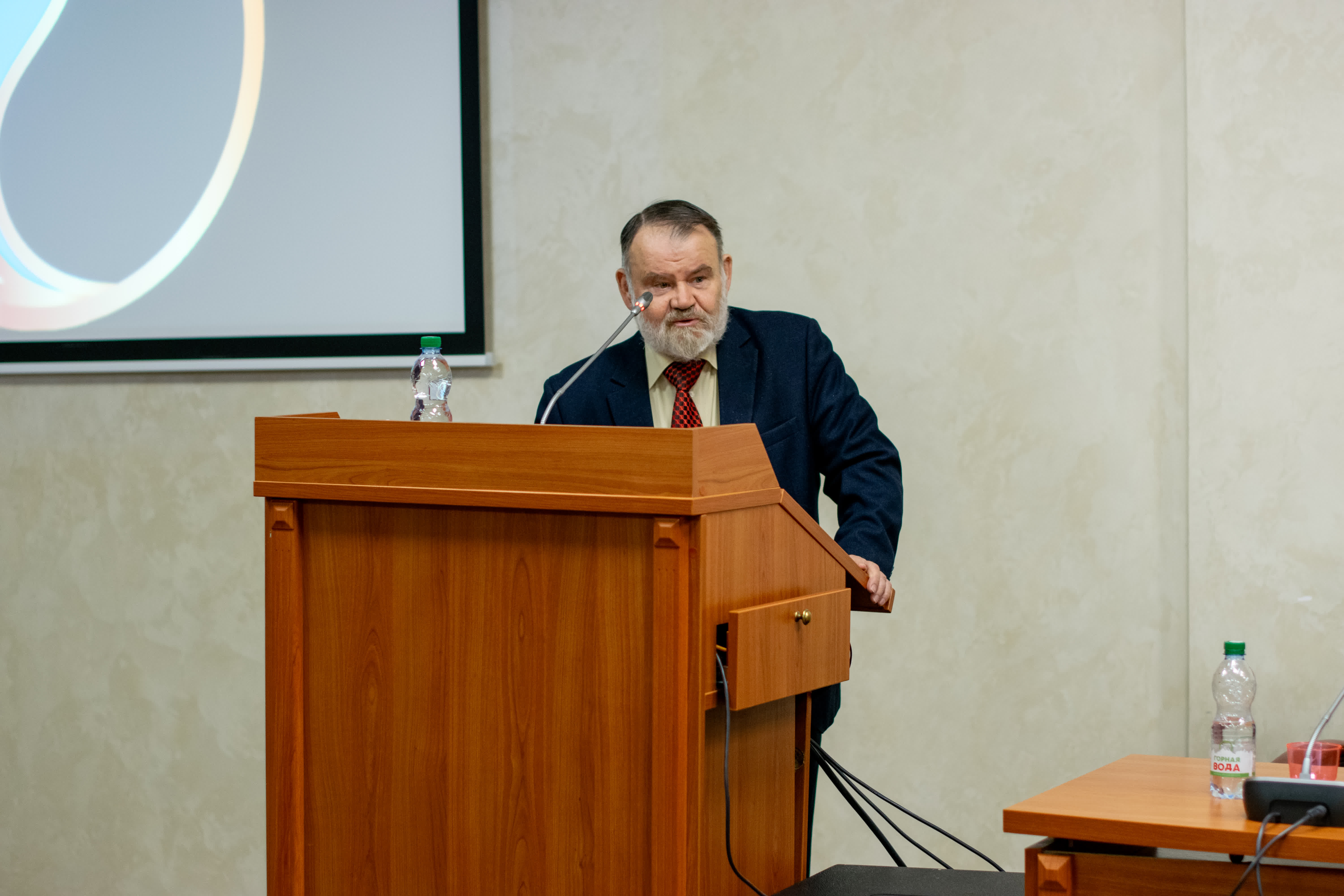
Andrey Dushin, Head of the Department of Geopolitics and Sustainable Development of Society, Associate Professor, and PhD in Philosophy, delivered the first report, highlighting the formation of an anti-Russian elite in British and North American educational institutions. The topic was so relevant that the university rector shared an analysis of the confrontation between the Anglo-Saxon and Russian civilizations, both historically and against the backdrop of a sharply deteriorating global geopolitical situation. The subsequent speakers tried to maintain the event's high level.
Conference participants listened with great interest to the reports of Professor Edmund Yarmusik, Doctor of Historical Sciences, on the genocide of Soviet prisoners of war during the Great Patriotic War in Belarus, and Oleg Abdulin, on post-war awards for former Soviet prisoners of war.
Professor Nikolai Romanov, Doctor of Political Sciences, and Associate Professor Oleg Karimov, Candidate of Historical Sciences, addressed issues of patriotic, spiritual, and moral education and the perpetuation of the memory of fallen defenders of the Fatherland.
Using examples from prominent Russian scientists and writers, Senior Lecturer Dmitry Gavrilov and Associate Professor Lyudmila Zhigunova (PhD) spoke about the importance of a humanities education for students majoring in technical fields. Associate Professor Marina Manannikova (PhD) touched on the importance of the spiritual component in addressing the problems of existential alienation.
Representatives of the Russian State Military Archive and Moscow State Pedagogical University, Valery Artsybashev (History) and Anastasia Zolotareva (Holland) used archival materials to convincingly illustrate the failed attempts by Ukrainian and Belarusian nationalists to exert destructive influence on Soviet youth in the 1940s.
Associate Professor Evgeniya Khiltukhina (Philology) and Olga Averina (PhD) highlighted the challenges facing humanities education using artificial intelligence.
Over 50 people attended the conference, nine of whom were representatives of the Republic of Belarus, the Republic of Uzbekistan, and the Republic of Kazakhstan, including 11 doctors of science and 18 candidates of science.
Thirty-five participants and guests signed up for both in-person and remote participation. In addition to faculty from Gubkin University and its branch in Tashkent, the conference included scholars from Yanka Kupala State University of Grodno, the Prince Alexander Nevsky Military University of the Ministry of Defense of the Russian Federation, the Kuibyshev branch of Novosibirsk State Pedagogical University, the Lipetsk State Pedagogical Institute named after P.P. Semenov-Tien-Shansky, the Moscow Aviation Institute, the Moscow State Linguistic University, the Moscow Humanitarian University, the Moscow Institute of Psychoanalysis, the Research Institute (Military History) of the Military Academy of the General Staff of the Armed Forces of the Russian Federation, the National Defense University of the Republic of Kazakhstan, the Russian State Military Archives, the Russian State Archives in Samara, and the Russian Customs Academy.
Conference participants acknowledged the importance and relevance of the issues raised, as well as the need for their further research.