A technology for removing sulfur-containing compounds from oil was presented at a forum in Tatarstan.
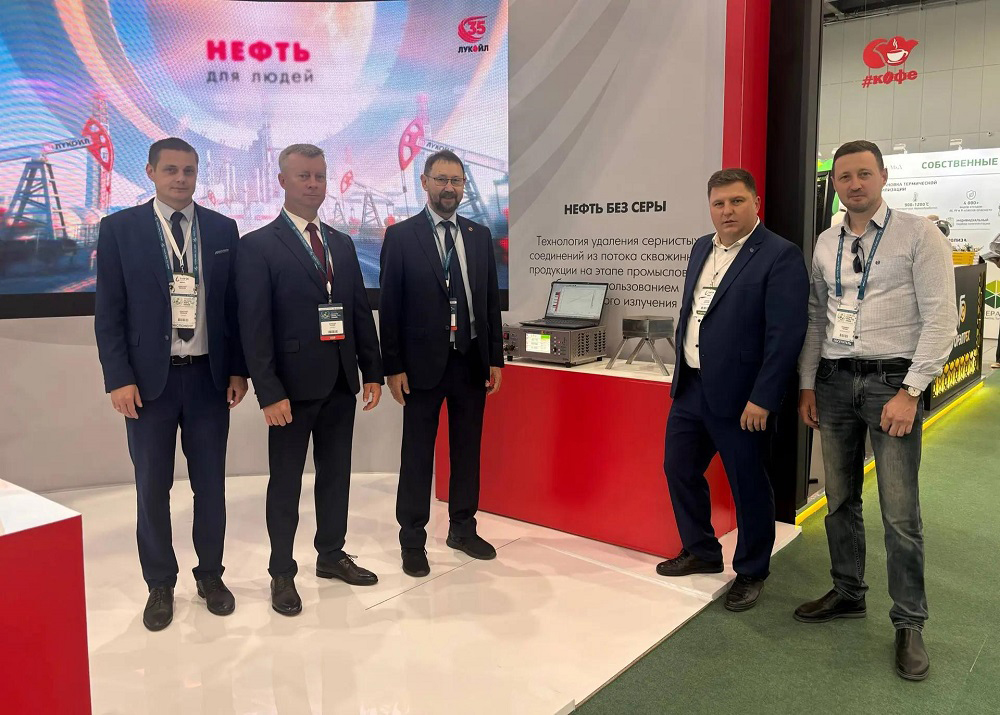
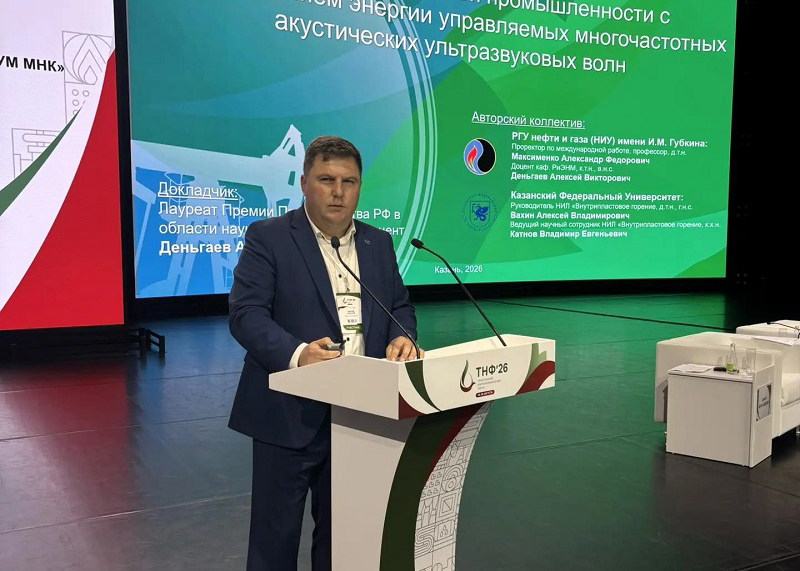
A team of scientists from the Gubkin Russian State University of Oil and Gas (National Research University) and Kazan Federal University presented a technology for removing sulfur-containing compounds from oil using ultrasound at the RITEK LLC (LUKOIL's research and development facility) booth at the Tatarstan Petrochemical Forum. The scientists' development eliminates significant technological, economic, and environmental risks.
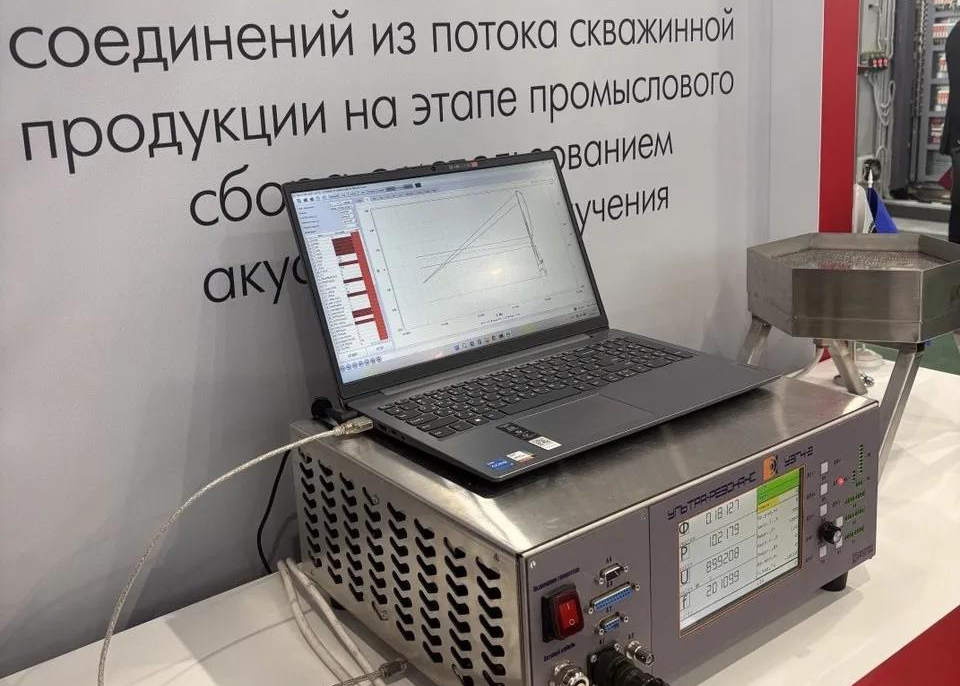
The mobile unit can be used directly at the field. Until now, high-sulfur crude oil was processed using other methods and only at stationary plants. This development improves the quality of raw materials directly at the field, which, according to the scientists' calculations, will reduce oil refining costs by half.
A significant portion of Russia's oil fields, particularly in Tatarstan, Bashkortostan, and the Samara region, produce high-sulfur crude. Sulfur-rich feedstocks cause increased corrosion of pipelines and require additional, costly processing at refineries.
"The problem of removing sulfur from oil is considered one of the most challenging in oil refining worldwide. Sulfur is trapped within the oil molecule. To extract it, the intramolecular bonds must be broken and then 'welded' back together, otherwise the broken molecules will re-stick. Scientific research in this area has been ongoing since the 1950s, but until now, it has remained inconclusive precisely because the problem of bond breaking has been intractable," explained Alexey Dengayev, Associate Professor of the Department of Oil Field Development and Operation at Gubkin University.
To solve this problem, scientists pioneered a technology based on cavitation—a phenomenon that occurs when liquids are exposed to powerful acoustic vibrations. Oscillations of a given frequency and amplitude lead to the formation of microscopic gas bubbles. When they collapse at a local point, a pressure of tens of thousands of atmospheres is generated, and the temperature rises to several thousand degrees. This energy breaks strong bonds within molecules, transforming sulfur-containing compounds.
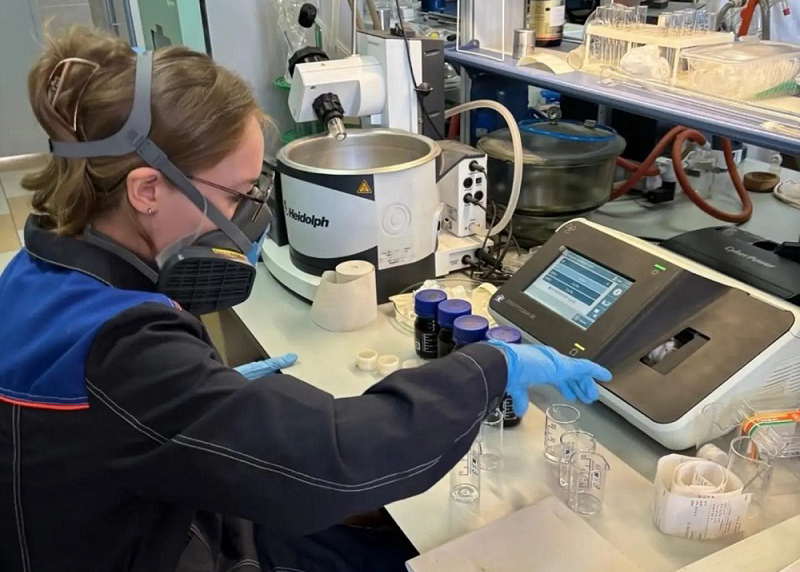
For field testing, the technology was implemented in a mobile unit. Tests were conducted at one of PAO LUKOIL's fields and confirmed a 40-fold reduction in hydrogen sulfide levels in the feedstock. Previously known technologies had achieved maximum efficiency at only 20 ppm. Tests also showed that the technology reduces oil viscosity, facilitating the transportation of feedstock through pipelines.
Scientists presented a model of the mobile oil upgrading unit at the exhibition of the Tatarstan Petrochemical Forum, which was held from August 26 to 28, 2026.