Mongolia to begin training personnel for the Soyuz Vostok gas pipeline in Russia
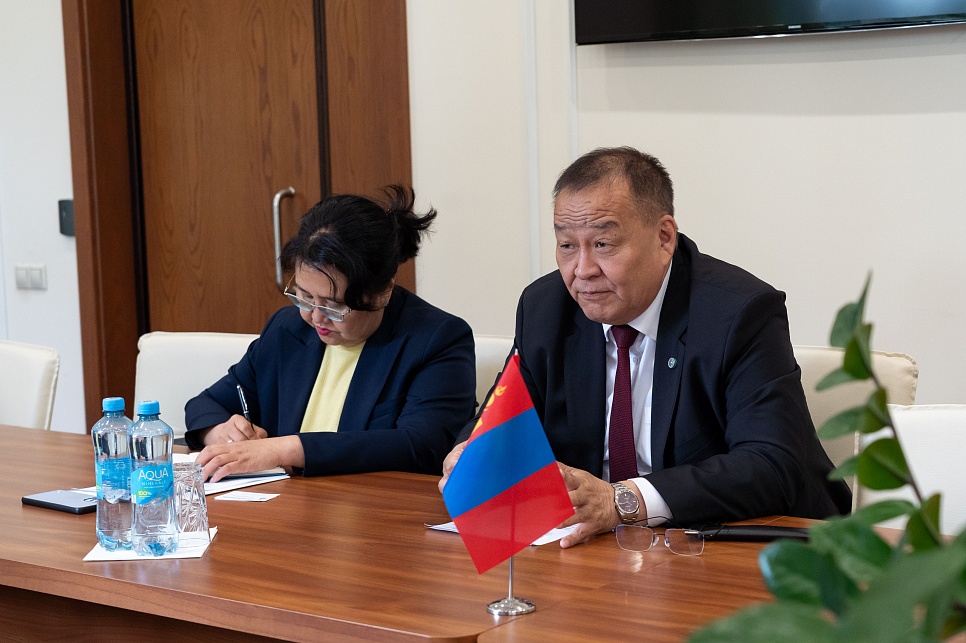
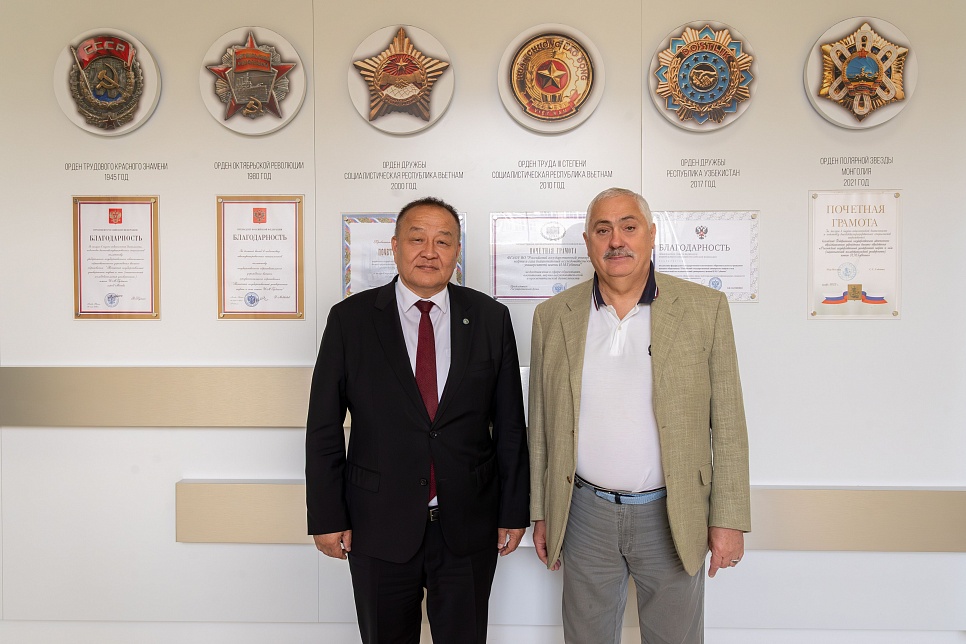
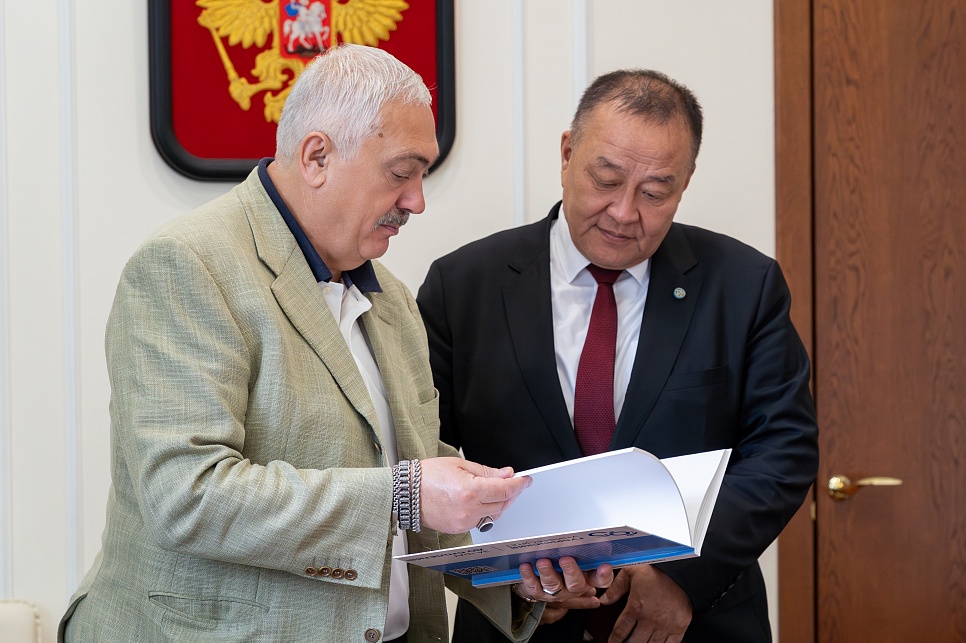
Mongolia will begin training personnel for the construction and operation of the Soyuz Vostok transit gas pipeline at leading Russian oil and gas universities in 2026–2027. This was announced by Ambassador Extraordinary and Plenipotentiary of Mongolia to the Russian Federation Dulamsuren Davaa during a Mongolian delegation's visit to Gubkin Russian State University of Oil and Gas (National Research University).
A meeting with the university's leadership took place in Moscow on July 7, 2026, as part of preparations for the Power of Siberia 2 gas pipeline project—the western route for gas supplies from Russia to China. A binding memorandum on the construction of the gas pipeline was signed by Gazprom and China's CNPC in September 2025. The Soyuz Vostok gas pipeline is an extension of the Power of Siberia 2 project in Mongolia.
Dulamsürengiin Davaa, who led the delegation, noted the high reputation of Russian oil and gas education worldwide. He emphasized Mongolia's interest in training personnel familiar with the most advanced industry technologies.
Mongolia views the construction of the Soyuz Vostok gas pipeline as an opportunity to expand gasification and develop the country's gas industry. "We are interested in collaborating with Russia in training personnel in the fields of gas chemistry, LNG technologies, and geological exploration to meet the needs of our promising projects, as well as in scientific research to develop advanced industry technologies," the ambassador stated.
In particular, Mongolian energy specialists are exploring the possibility of using LNG technologies to gasify remote areas and convert transport to natural gas as a fuel. Mongolia also plans to build new oil refining facilities by 2028. New development areas for the country's oil and gas industry will require training highly qualified personnel and finding new technological solutions adapted to local conditions, noted Dulamsurengiin Davaa.
"Today, Russia already has its own technologies for large- and small-scale LNG production, which are cheaper than Western ones. Educational programs also include the latest technologies in gas chemistry and automation of industrial processes, which are being actively developed by Russian scientists," said Viktor Martynov, Rector of Gubkin University.
Meeting participants discussed specific mechanisms for implementing cooperation in training higher-educated personnel and improving the skills of current company employees.
The university will also continue training personnel through its collaboration with PJSC Gazprom.