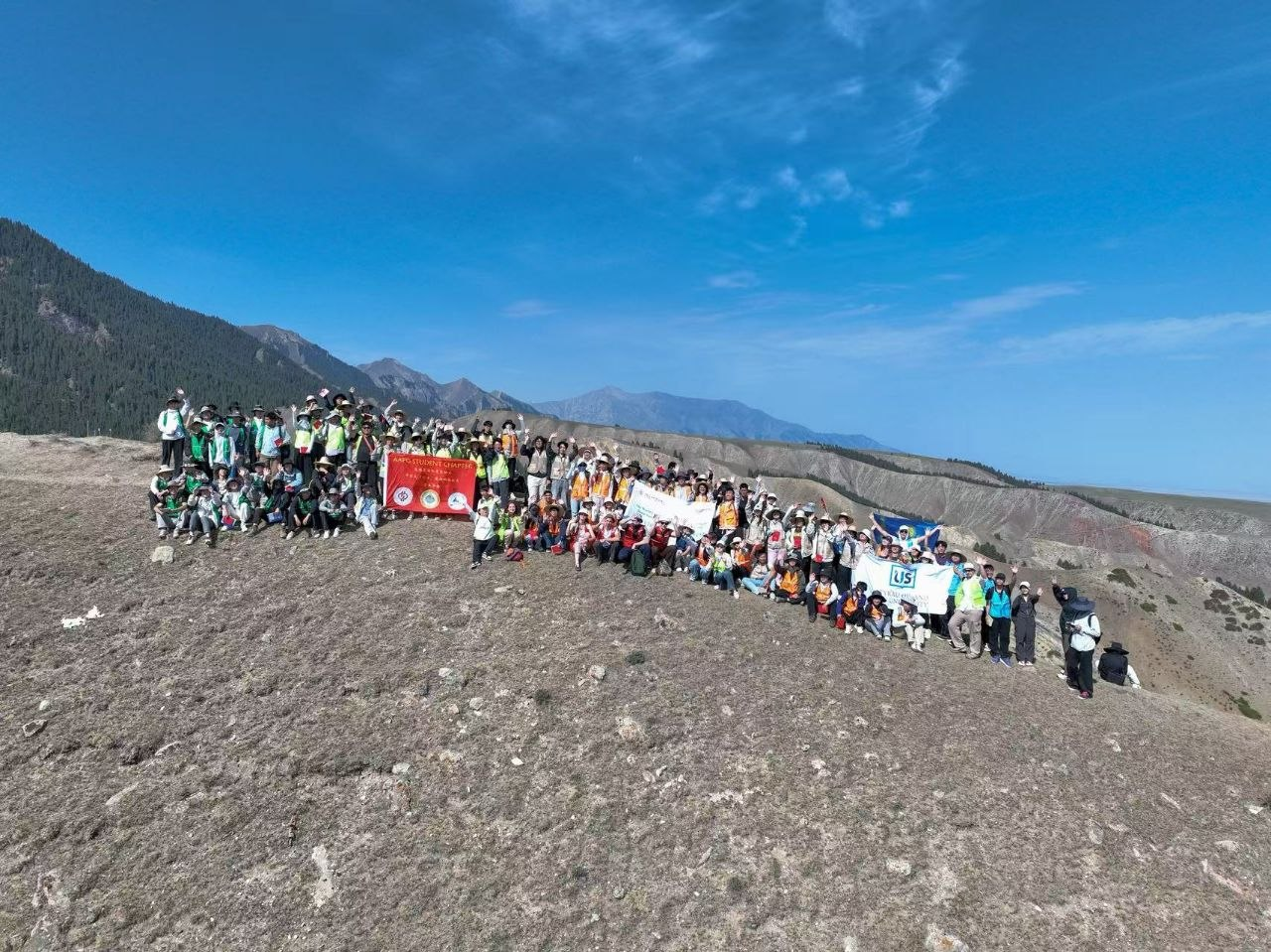
University students at the China University of Petroleum's International Geological Summer School
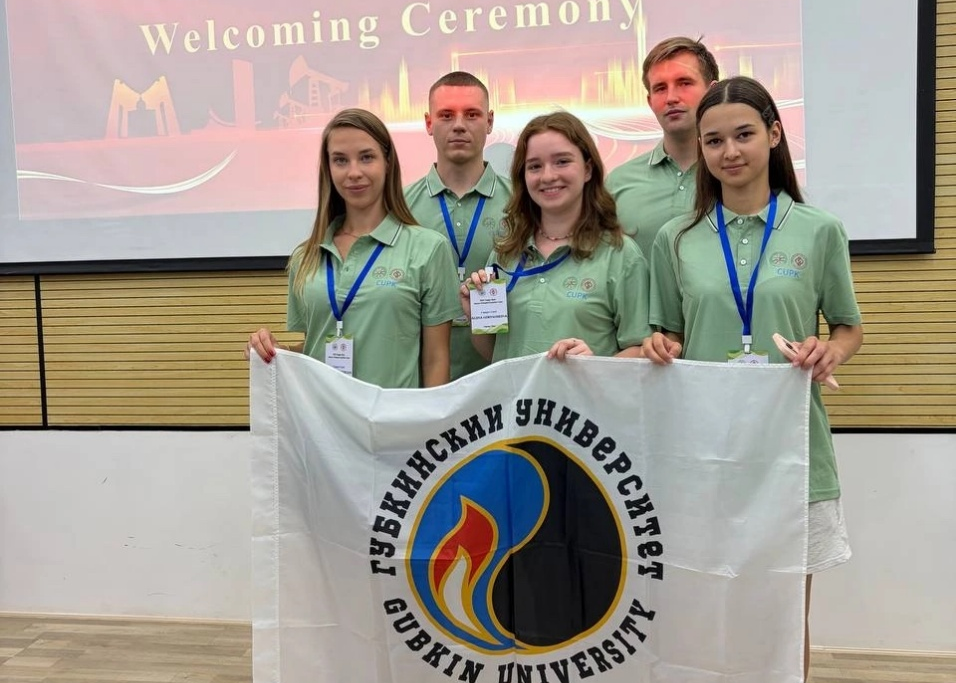
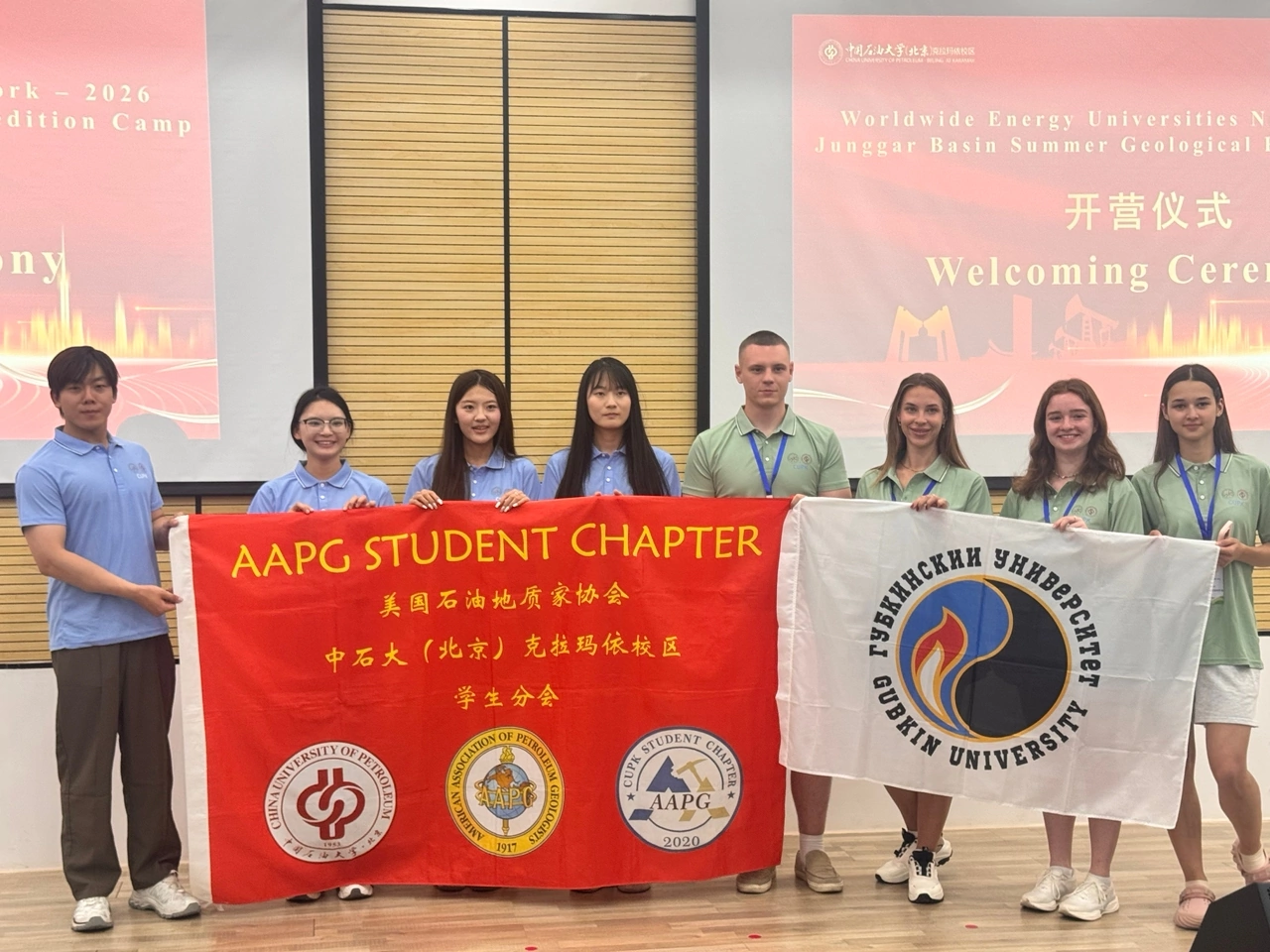
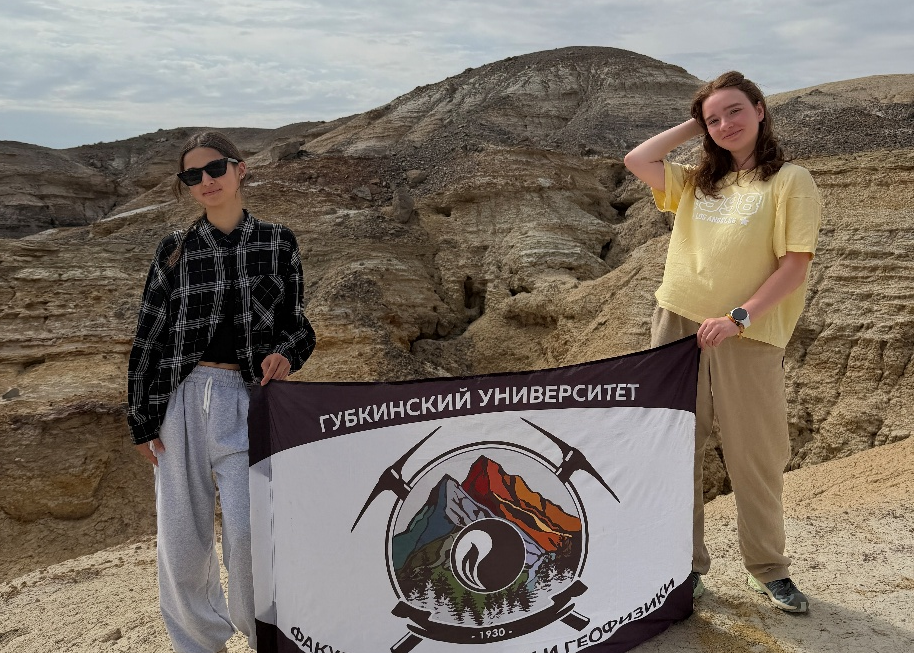
From August 1 to 15, 2026, the Geological Field School in Junggar Basin, Western China, was held at the China University of Petroleum (Beijing, Karamay Campus) with the support of the World Energy Universities Network (WEUN). The program brought together undergraduate, graduate, and doctoral students, as well as faculty studying geology and related fields from around the world. The program aimed to provide practical field experience and an introduction to modern approaches to geological research. The following students participated from Gubkin Russian State University of Oil and Gas (National Research University): Ivan Fedkin (Group RNM-25-09); Valeria Galitskaya (Group HT-23-01); Alena Goryachkina (Group GM-25-11); Alexander Osipov (RF-21-09 group); Liliana Sultanova (GL-24-08 group).
The fieldwork took place in the Junggar Basin, the second-largest continental sedimentary basin in China, located between the Altai and Tien Shan mountain ranges. The basin is shaped like an irregular triangle and is distinguished by a rich diversity of classic geological phenomena. It contains thick sedimentary rock strata, ranging from the Paleozoic to the Cenozoic. However, the Jurassic period holds a special place here – layers of this age are exceptionally well exposed, allowing for a detailed study of ancient river systems, lakes, and deltas.
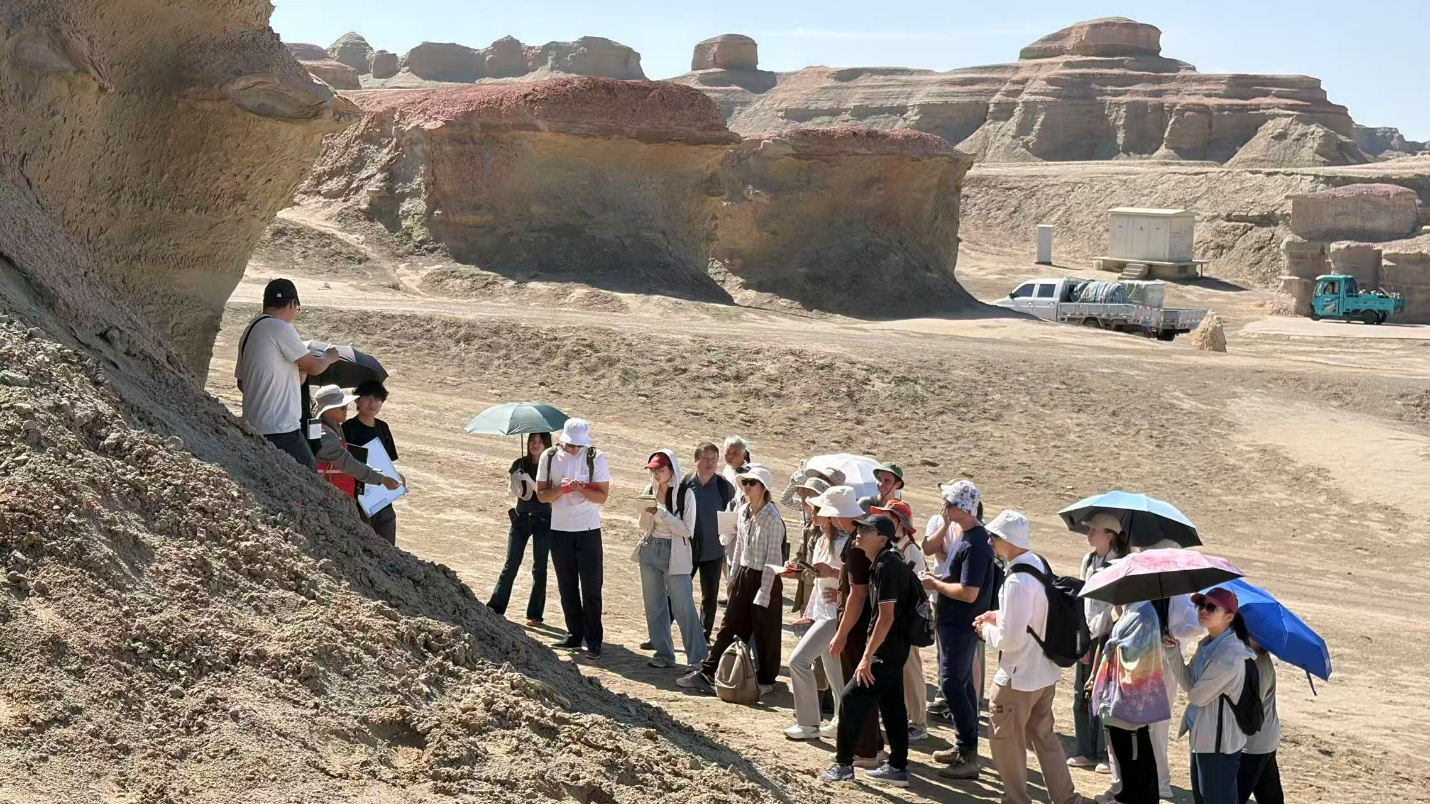
A key feature of the school were field trips through the northern and western parts of Karamay and the northwestern Junggar Basin. Participants worked in small groups with faculty, graduate students, and visiting specialists, applying their acquired theoretical knowledge directly to the study of geological features.
The program expanded participants' knowledge of structural, sedimentary, and petroleum geology, as well as introduced them to geological mapping and field research methods, petrography, and the specifics of Xinjiang's oil and gas industry.
The first days of the program were devoted to familiarization with the university, faculty, and the main areas of upcoming fieldwork. After a welcome ceremony and an introduction to the geological itineraries, participants attended lectures by leading Chinese geologists, Doctors of Sciences Ji Youliang, Xiao Jianxin, and Zhao Guochun.
The next four days of the program were devoted to intensive fieldwork, which allowed them to explore the Darbut ophiolite, erosional and metamorphic complexes, as well as the modern alluvial fan of the Baiyang River and the Dusanzi and Karamay areas. The young scientists thoroughly studied the diversity of geological processes and structural forms in the region, including anticlines, synclines, reverse faults, and faults. They focused on Mesozoic fluvial and fan-deltaic facies, which allowed them to clearly trace the relationship between rock composition and modern topography. The first part of the fieldwork concluded with a midterm defense: the groups presented their reports and defended their findings before a panel of faculty members.
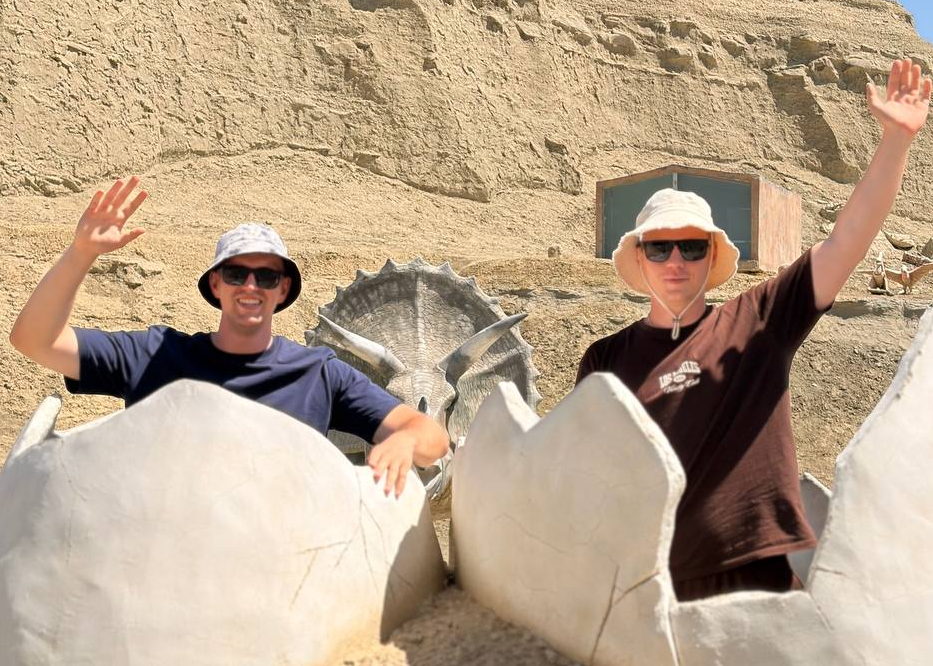
The next stage of the program included field trips to key sites in the Dzungarian Basin: Devil's City (Urkho)—clay and sand castles and canyons carved by nature itself; the paleontological "dinosaur" route of Vurkho; Black Oil Mountain, where asphalt and bitumen outcrop on the terrain; and Oil Gully. These locations served as the basis for a comprehensive analysis of the region's geological and natural characteristics. Practical work on a real route allowed participants to master field observation techniques and primary data collection, followed by laboratory processing.
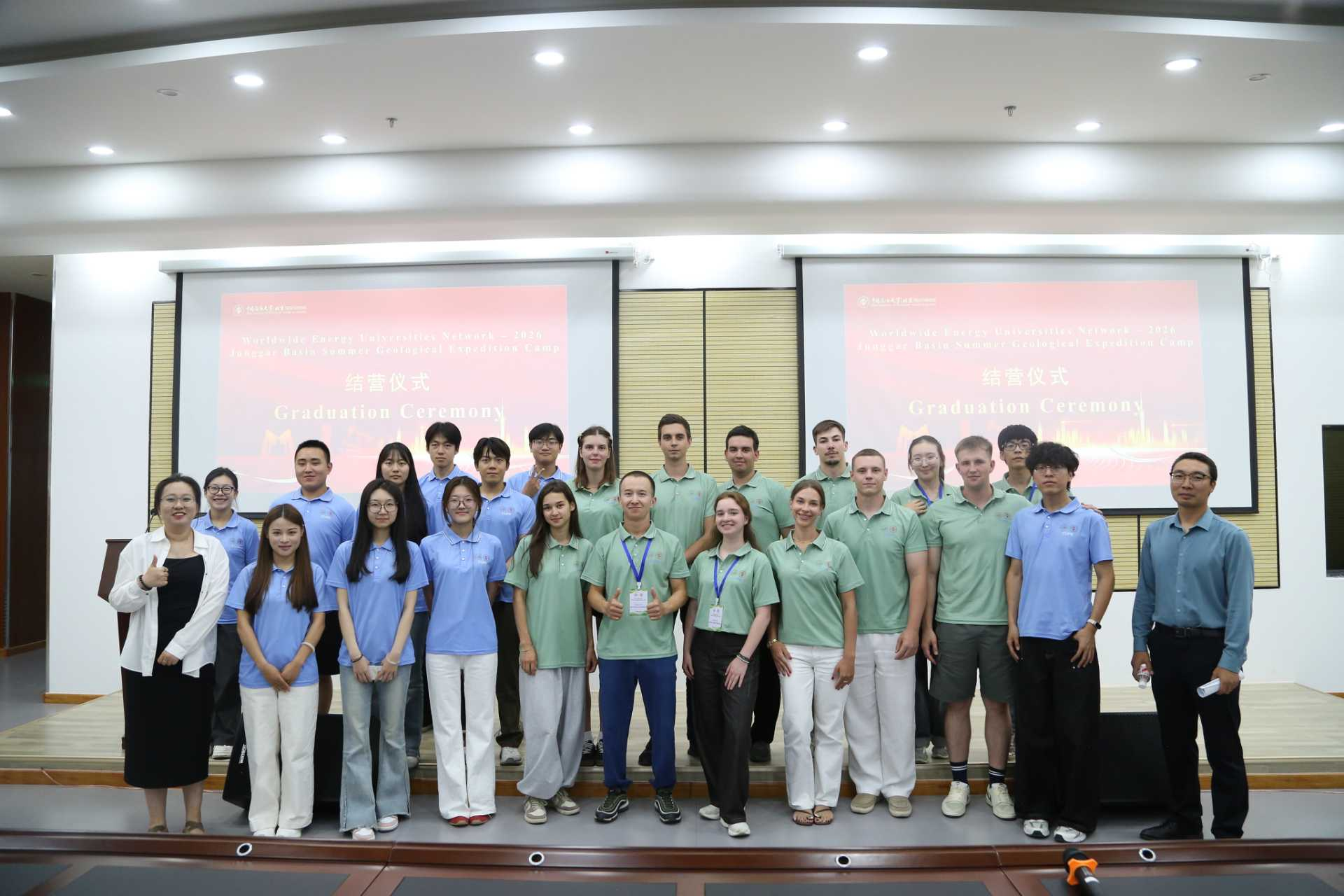
The final part of the summer school focused on laboratory work and processing field research results. Participants were trained in thin-section preparation, learned the operating principles of a polarizing microscope, and then independently performed microscopic observations and identified sample components. This was followed by a presentation of the second part of the summer school and a closing ceremony.