Gubkin University students participated in summer programs at the China University of Petroleum (Beijing) branch in Karamay
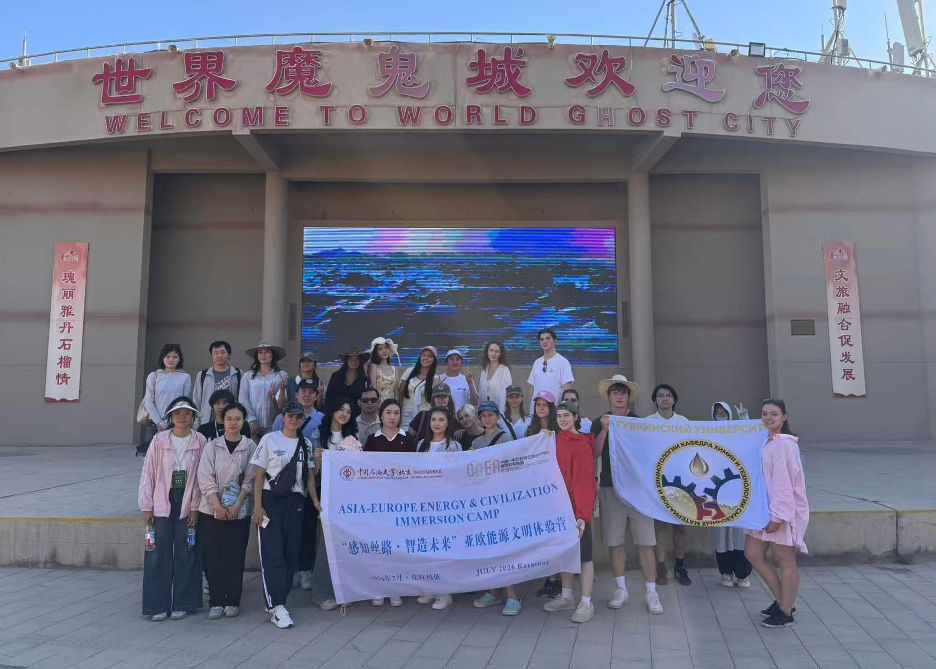
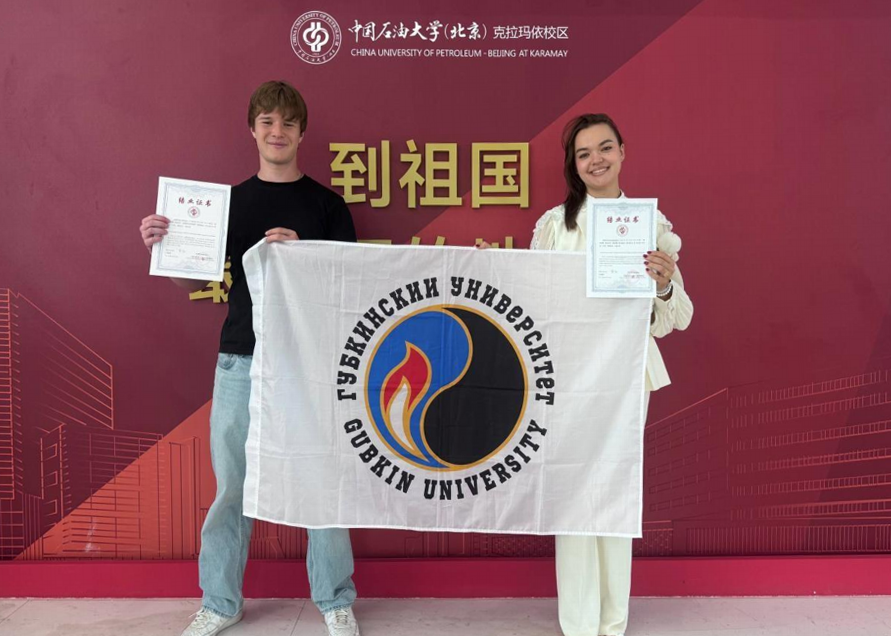
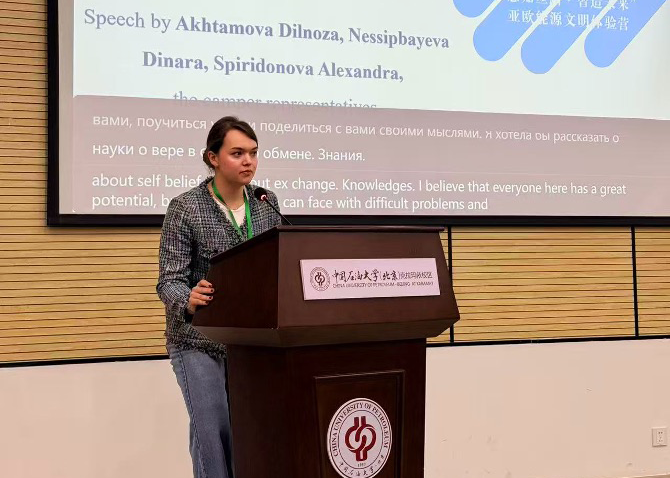
From July 1 to 15, 2026, the China University of Petroleum (Beijing) branch in Karamay held an Asian-European Energy Civilization Immersion Camp. The camp featured two tracks: the "Explore the Silk Road and Build the Future Wisely" summer program, which was attended by university students Alexander Spiridonov (KhTA-25-01) and German Fomichev (EY-25-01), and the "Chemical Technology and New Energy" summer camp, which was attended by student Gleb Panasevich (MI-25-01).
The name "Karamay" translates from the Uyghur language as "black oil." The city arose practically from nothing after the discovery of colossal oil deposits in 1955, which gave it its name. The production base of Xinjiang Oilfield Company, part of CNPC, is located in Karamay. In the 2010s, economic diversification began: cloud computing is developing, industrial parks are being built, and smart city technologies are being implemented. A cloud computing park has been established in Karamay, home to companies working in cloud computing, the Internet of Things, and artificial intelligence. Five large data centers are located here.
The "Explore the Silk Road and Build the Future Smartly" program has become a unique platform for dialogue between students from technical universities in Russia and China. Its goal is not only to broaden the participants' professional horizons but also to strengthen international cooperation in the engineering community by combining academic knowledge, practical training, and deep immersion in the cultural and historical context of the region.
Throughout the program, students from various countries combined a technical agenda with rich cultural experience. Practical classes allowed students to experience the traditions of the Middle Kingdom: they mastered Chinese calligraphy, paper cutting, the intricacies of the tea ceremony, martial arts, and learned the basics of traditional Chinese medicine.
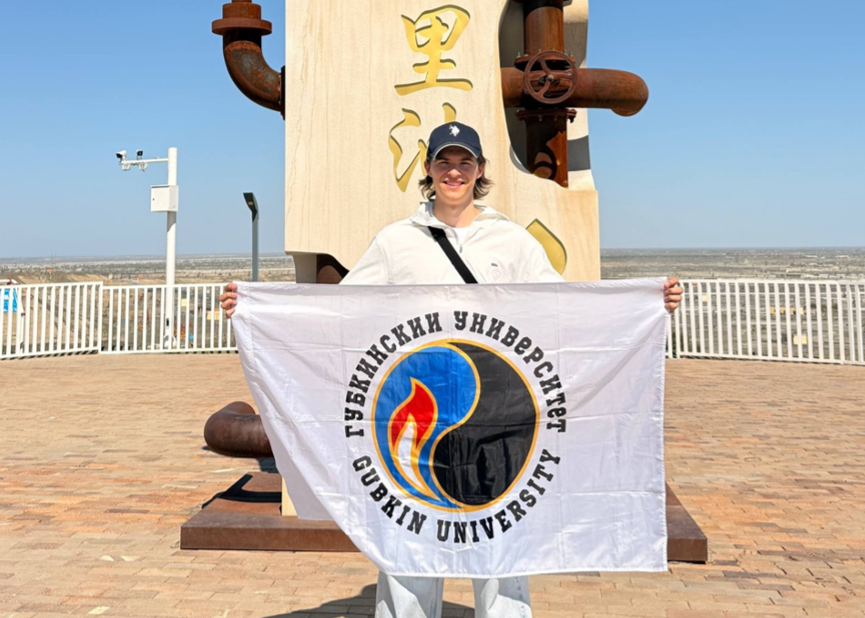
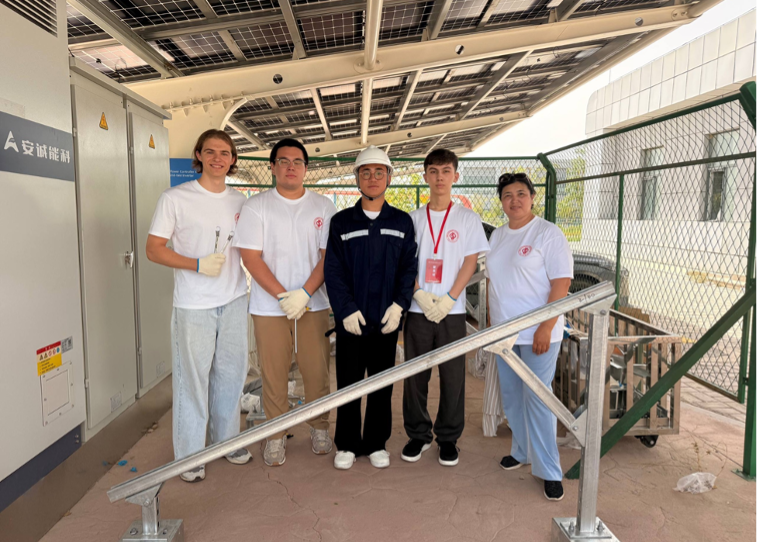
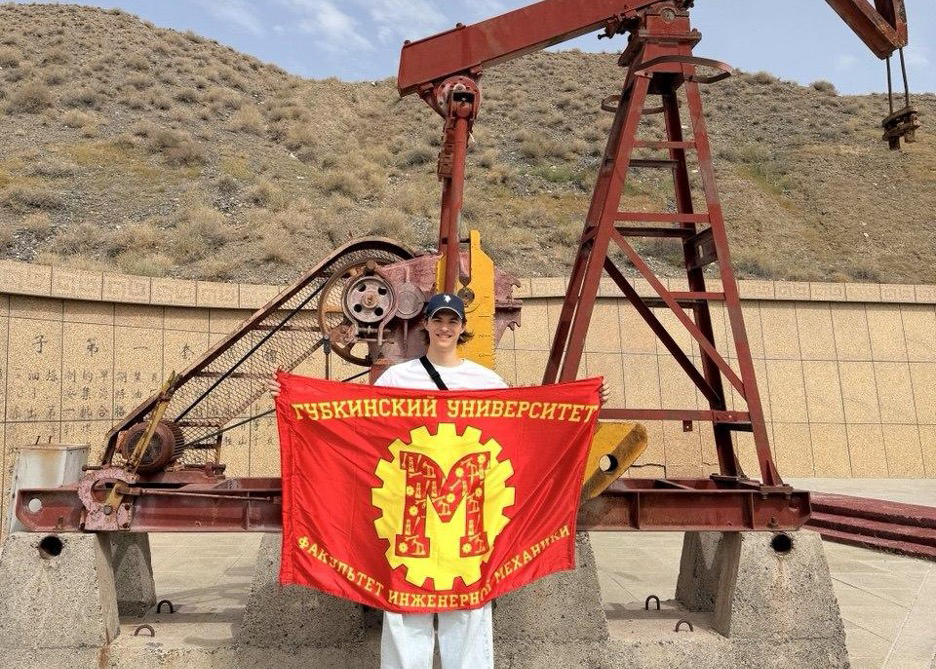
An important part of the program was studying the region's oil heritage. Students visited iconic sites closely linked to the history of hydrocarbon resource development: the Karamay Museum, Black Oil Mountain, the famous "Ghost Town" scenic area in the Urhe district, and also learned about the Karamay River water diversion project. These sites clearly demonstrated how natural resources and engineering solutions shape the region's economy and infrastructure. Participants' professional development was enhanced by tours of operating industrial facilities, including Digital Silk Road Xinjiang Industrial Investment Group Co., Ltd. As part of the two-week summer program "Chemical Engineering and New Energy," participants gained a comprehensive understanding of the petrochemical complex in the Xinjiang Uyghur Autonomous Region (XUAR), one of China's key energy regions. Students visited facilities specializing in oil refining and polymer synthesis, gaining a comprehensive understanding of the region's production cycle. Particular attention was paid to the specifics of shale oil production in the Tarim Basin, where horizontal drilling and multi-stage hydraulic fracturing are used. A key part of the program included a visit to the Baili oil field near Karamay: participants studied the operation of oil pumping units, as well as the routes and structure of pipelines for transporting raw materials.
The practical component included laboratory experiments and the creation of alternative energy source prototypes on the university campus. A separate practical session was devoted to oil logistics, held at the office of Karamay Xinkeao Transportation. Introduction to the region's cultural traditions became an important part of both programs: it helped students better understand the local context and see how history and modernity complement each other. The combination of professional and cultural experience also strengthened their understanding of how international cooperation works, including through careful attention to the traditions of their partners.