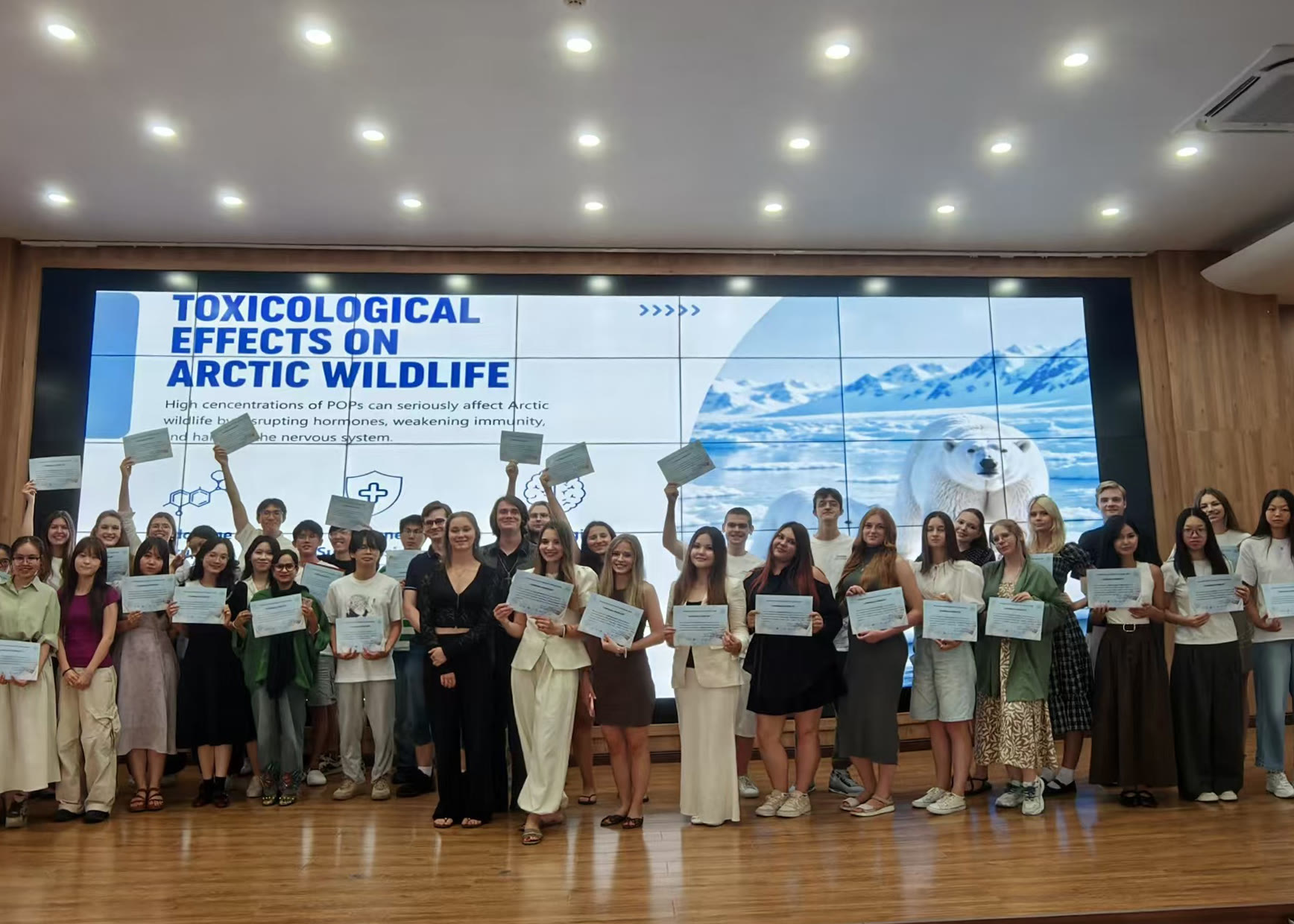
Gubkin University Students Discuss the Arctic Agenda at the Harbin Institute of Technology Summer School
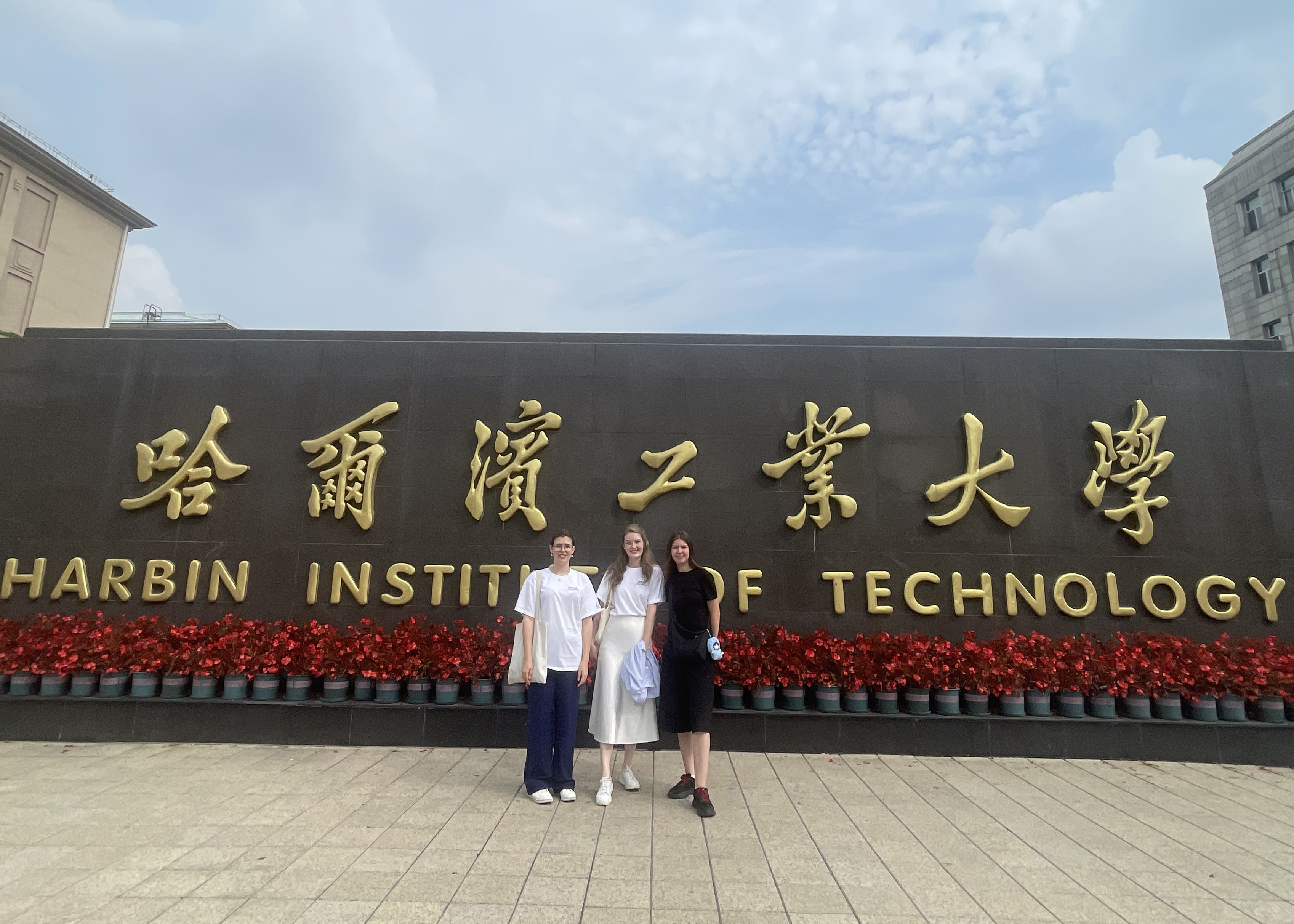
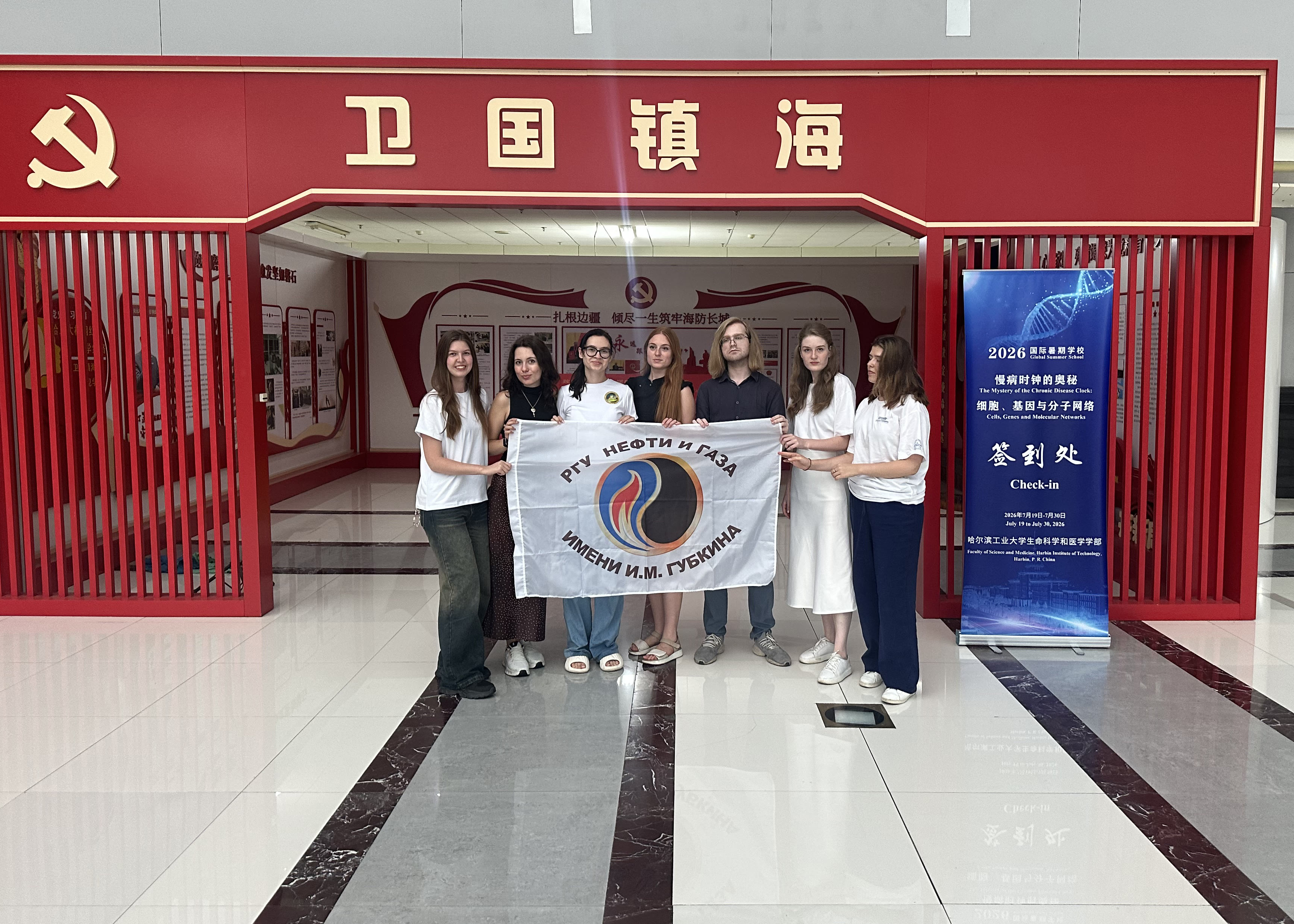
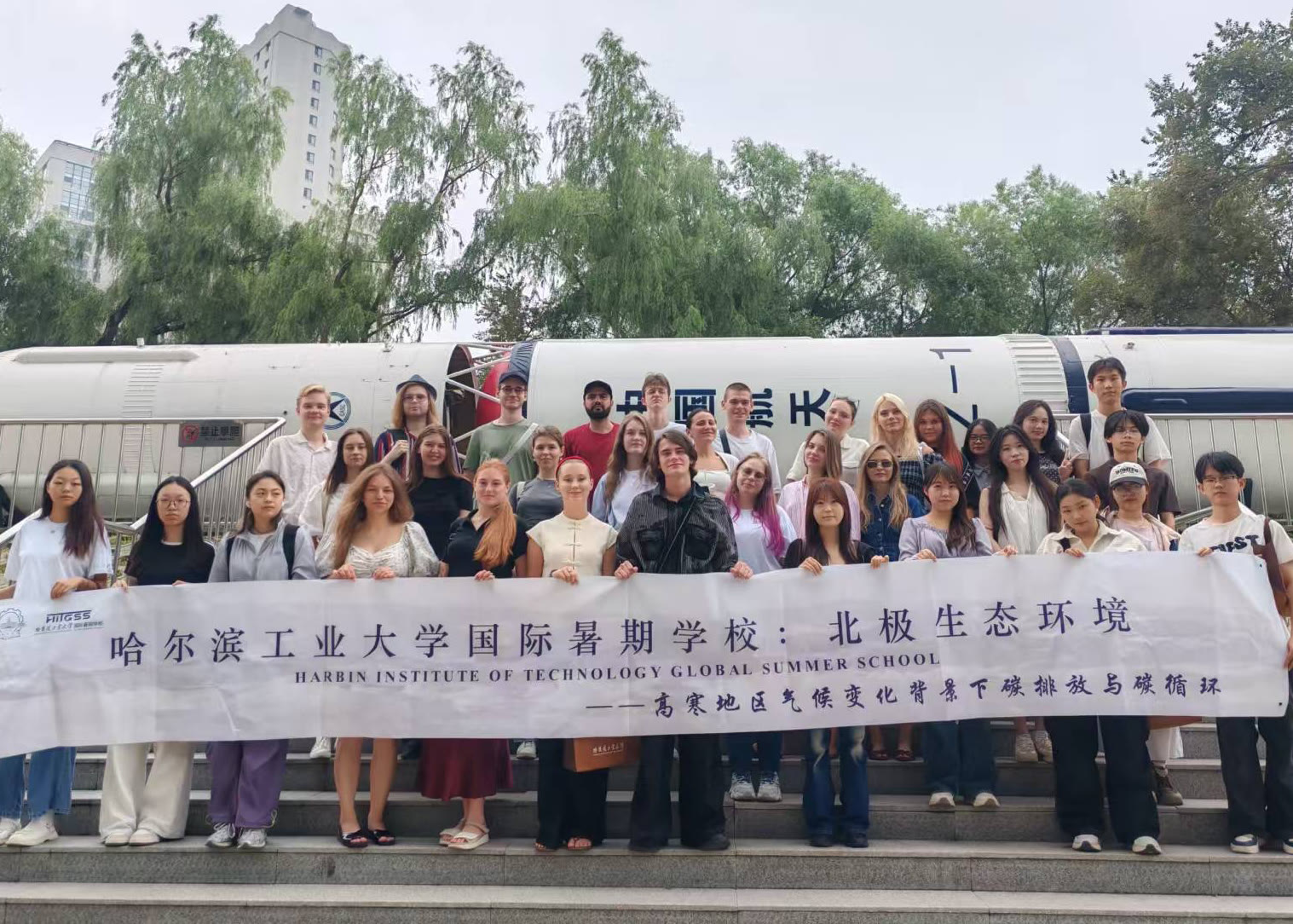
From July 12 to 26, 2026, students from the Faculty of Chemical Technology and Ecology and the Faculty of Geology and Geophysics of Oil and Gas of Gubkin University — Elizaveta Osadchaya, Natalia Pavlenko, Sergey Nazarov, Maria Karaseva, Vera Poletaeva, and Ekaterina Kulinich — took part in the Harbin Institute of Technology (HIT) summer programme, the “Arctic Environment and Ecosystem” Global Summer School. In total, more than 40 students from leading Russian, Chinese, Vietnamese, Pakistani, Korean, and Kazakh universities participated in the programme.
The summer school at the Harbin Institute of Technology (HIT) became a unique opportunity for the students to experience the academic standards of one of China’s strongest technical universities, a member of the C9 League. It is important to note that the HIT organizers designed the summer school to maximize the effect of international interaction: students attended lectures on the currently relevant Arctic agenda, gained valuable research experience in HIT laboratories, and prepared group final projects on selected topics.
As a result, the school became not just an educational internship, but an effective platform for networking, laying the foundation for long-term Russian-Chinese cooperation in the Arctic agenda.
The programme covered a wide range of activities, including:
1. Lectures on the spatiotemporal dynamics of mammal distribution ranges in Northeast Asia under global climate change and anthropogenic impact.
2. Lectures on Arctic ecology and the impact of chemical substances and other pollutants on its system. Within this topic, the migration pathways of chemicals and microplastics were studied, and technologies for tracking their spread and laboratory analysis methods used in laboratories in China, Norway, Canada, and Russia were examined.
3. Lectures on permafrost as an ecological variable under a changing climate.
4. Lectures on Russia’s Arctic strategy and environmental monitoring in the Arctic, new approaches, and innovative technologies.
5. Laboratory work on equipment for assessing air and food pollution.
Within the framework of the school, participants not only immersed themselves in the scientific agenda but also broadened their horizons through a diverse excursion programme. Particular attention was paid to getting acquainted with the Harbin Institute of Technology — one of China’s leading engineering universities. The students visited two venues: the HIT Museum, where they learned about the institute’s key space projects, and the HIT History Museum, which revealed the rich history of the university’s formation as a flagship of engineering education in the country.
A bright addition to the programme was a group outing for all participants to Sun Island Park. A walk through the picturesque area gave the students a chance to relax after intensive study days.
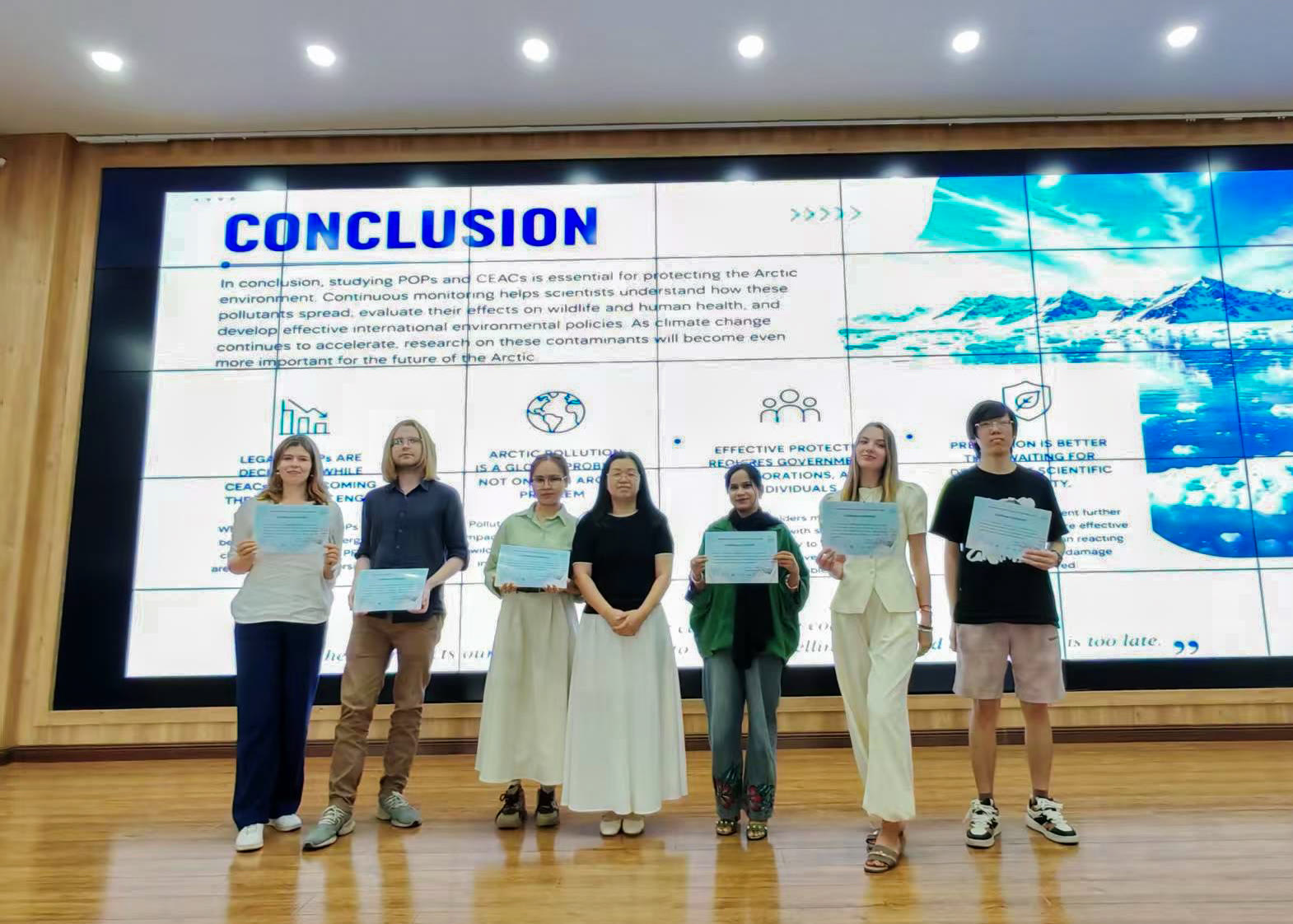
At the end of the summer school, the students successfully defended their group projects and gained an extensive base of academic knowledge in the field of the environmental agenda in the Arctic region, which made it possible to expand and deepen their knowledge on this topic.
Participation in the Harbin Institute of Technology summer school is a significant step in the formation of a unified educational space and the training of specialists capable of working effectively in an international professional environment.